
در دنیای پرشتاب تجارت امروز، واردات و صادرات کالا به عنوان شریان اصلی اقتصاد کشورها شناخته میشود. هر تاجری که قصد دارد محصولات خود را از مرزهای یک کشور عبور دهد، با یک سد قانونی و ساختاریافته به نام گمرک روبرو خواهد شد. عبور موفقیتآمیز از این سد، نیازمند دانش عمیق، تجربه و تسلط بر قوانین پیچیده تجاری است. فرایند ترخیص کالا از گمرک یکی از حساسترین و پرچالشترین بخشهای زنجیره تامین است که کوچکترین اشتباه در آن میتواند منجر به تاخیرهای طولانیمدت، جریمههای سنگین و حتی توقیف کامل محموله شود.
بسیاری از بازرگانان با وجود موفقیت در خرید و انتقال کالا، در مرحله گمرک دچار مشکلات عدیدهای میشوند، زیرا تشریفات گمرکی دائماً در حال تغییر و بهروزرسانی است. در این شرایط، بهرهگیری از تخصص یک کارگزار رسمی گمرک و یک مجموعه معتبر مانند شرکت حمل و نقل آپادانا که به تمامی زیر و بمهای این مسیر آشناست، نه تنها یک انتخاب، بلکه یک ضرورت حیاتی برای حفظ سرمایه و زمان است. در این مقاله جامع، قصد داریم تمامی جزئیات و مراحل گامبهگام ترخیص کالا از گمرک را بررسی کرده و نقش پررنگ کارگزاران گمرکی در تسهیل این روند را تحلیل کنیم.
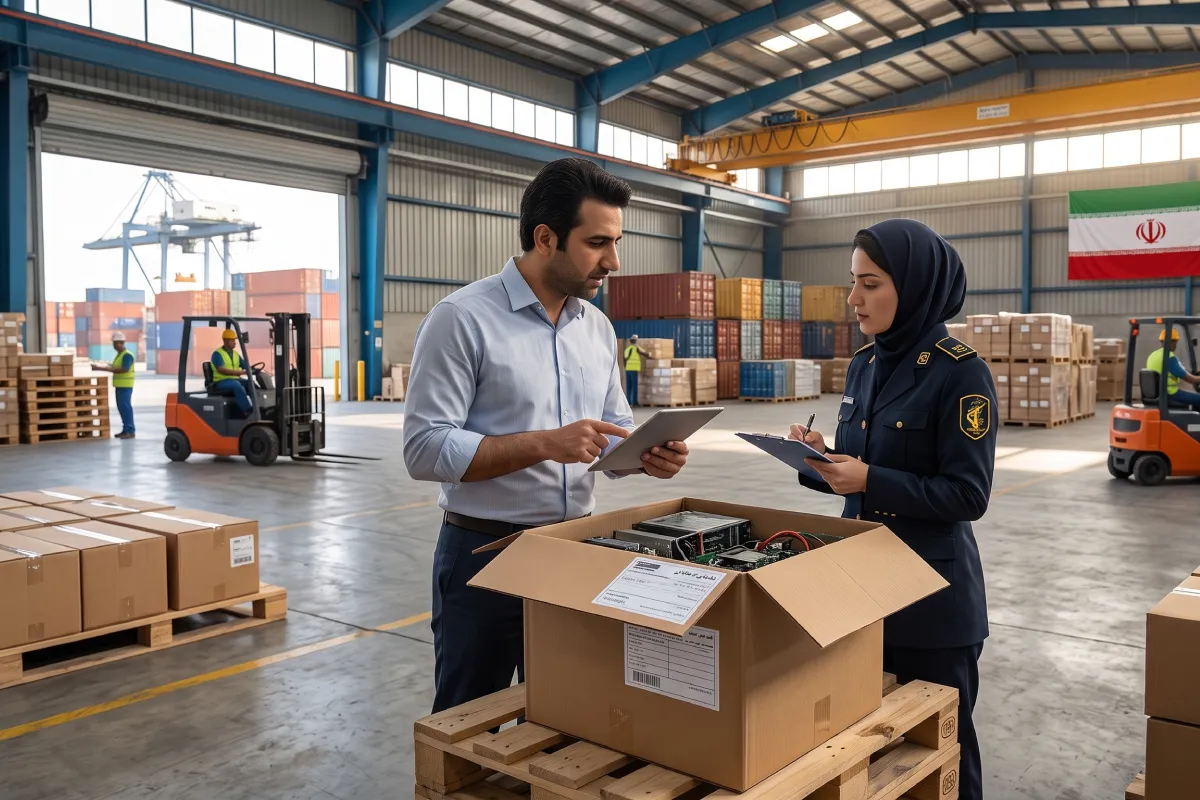
ترخیص کالا از گمرک چیست؟
به بیان ساده، ترخیص کالا از گمرک (Customs Clearance) به مجموعه اقدامات، تشریفات و مراحل قانونی گفته میشود که طی آن یک کالا اجازه ورود به داخل مرزهای یک کشور (واردات) یا خروج از آن (صادرات) را پیدا میکند. این تشریفات شامل ارائه مدارک هویتی و تجاری، پرداخت حقوق و عوارض گمرکی، مالیاتها، دریافت مجوزهای لازم از سازمانهای مرتبط (مانند استاندارد، بهداشت، قرنطینه و…) و در نهایت آزاد شدن کالا از انبارهای گمرک است.
هدف اصلی از اجرای قوانین سختگیرانه برای ترخیص کالا از گمرک، کنترل دقیق جریان کالاها، جلوگیری از قاچاق، حمایت از تولیدات داخلی، حفظ سلامت جامعه و وصول درآمدهای دولتی است. تا زمانی که تمامی این مراحل به صورت کامل و قانونی طی نشود، مالک کالا حق دخل و تصرف در محموله خود را نخواهد داشت.
مراحل ترخیص کالا از گمرک به صورت گام به گام
فرایند آزادسازی کالا از گمرک یک مسیر خطی و مشخص دارد که البته بسته به نوع کالا و کشور مبدأ یا مقصد میتواند پیچیدگیهای خاص خود را داشته باشد. یک محموله چه از طریق حمل و نقل دریایی وارد بنادر شده باشد و چه از مرزهای زمینی و هوایی، باید این مسیر را طی کند. در ادامه مراحل اصلی ترخیص کالا از گمرک را به تفصیل بررسی میکنیم:
گام اول: ورود کالا و دریافت قبض انبار
اولین مرحله زمانی آغاز میشود که کالا توسط شرکتهای حمل و نقل بین المللی به یکی از مرزهای گمرکی کشور (بنادر، فرودگاهها یا مرزهای زمینی) میرسد. پس از تخلیه بار در محوطههای گمرکی، کالا تحویل انبارهای گمرک شده و سندی به نام “قبض انبار” صادر میگردد. قبض انبار حاوی اطلاعات مهمی مانند وزن، حجم، نوع بستهبندی و مشخصات کلی محموله است و به عنوان رسید تحویل کالا به گمرک محسوب میشود.
گام دوم: آمادهسازی و ثبت اسناد در سامانه گمرکی (EPL)
در این مرحله، صاحب کالا یا نماینده قانونی وی باید تمامی اسناد تجاری شامل پروفرما (پیشفاکتور)، فاکتور تجاری، پکینگ لیست (لیست بستهبندی)، بارنامه، گواهی مبدأ، بیمهنامه و قبض انبار را آماده کند. سپس این اطلاعات باید در سامانه جامع امور گمرکی (EPL) ثبت شود. پس از ثبت دقیق اطلاعات، سیستم یک شماره پیگیری به نام “کوتاژ” (Cottage) به پرونده اختصاص میدهد که نشاندهنده ثبت رسمی اظهارنامه است.
گام سوم: تعیین مسیر گمرکی (سبز، زرد، قرمز)
پس از دریافت کوتاژ، سیستم هوشمند گمرک بر اساس عواملی مانند نوع کالا، اعتبار صاحب کالا، کشور مبدأ و قوانین جاری، یکی از سه مسیر زیر را برای ارزیابی کالا تعیین میکند:
مسیر سبز: نیازی به بررسی فیزیکی و اسنادی کالا نیست و محموله مستقیماً به مرحله پرداخت میرود (سریعترین مسیر).
مسیر زرد: کالا از نظر فیزیکی بررسی نمیشود، اما تمامی اسناد و مدارک باید توسط کارشناسان گمرک به دقت کنترل و راستیآزمایی شوند.
مسیر قرمز: محموله هم از نظر تطابق دقیق اسناد و هم از طریق بازرسی و ارزیابی فیزیکی کالا مورد بررسی کامل قرار میگیرد.
گام چهارم: ارزیابی و کنترل کالا
اگر اظهارنامه در مسیر قرمز قرار گیرد، ارزیاب گمرک کالا را به صورت فیزیکی بازرسی میکند تا مشخصات واقعی محموله با آنچه در اسناد اظهار شده (از نظر نوع، تعداد، وزن، ارزش و تعرفه گمرکی) کاملاً تطابق داشته باشد. این مرحله در روند ترخیص کالا از گمرک بسیار حساس است، زیرا هرگونه مغایرت میتواند منجر به جریمه و تشکیل پرونده تخلف شود.
گام پنجم: اخذ مجوزهای قانونی
بسیاری از کالاها برای ورود به کشور نیازمند دریافت مجوز از نهادهای ذیربط هستند. برای مثال، مواد غذایی و دارویی نیاز به مجوز وزارت بهداشت دارند، قطعات صنعتی ممکن است به مجوز سازمان ملی استاندارد نیاز داشته باشند و تجهیزات رادیویی نیازمند تأیید سازمان تنظیم مقررات هستند. دریافت این مجوزها بخش مهمی از تشریفات ترخیص کالا از گمرک است.
گام ششم: پرداخت هزینهها و صدور پروانه گمرکی
پس از تایید نهایی کارشناس گمرک، مبلغ دقیق حقوق ورودی، عوارض، مالیات بر ارزش افزوده و سایر هزینههای گمرکی محاسبه و به صاحب کالا ابلاغ میشود. پس از واریز مبالغ مشخص شده، سند نهایی به نام “پروانه سبز گمرکی” (برگ سبز) صادر میشود که نشاندهنده پایان تشریفات قانونی ارزیابی است.
گام هفتم: تسویه با انبار و خروج کالا از گمرک
در مرحله آخر، صاحب کالا یا کارگزار گمرکی با در دست داشتن پروانه سبز به انبار گمرک مراجعه میکند. پس از پرداخت هزینههای انبارداری و تخلیه و بارگیری، مجوز بارگیری یا “بیجک خروج” صادر میشود. پس از آن، ناوگان حمل و نقل داخلی کالا را از درب خروج گمرک به سمت انبار مقصد نهایی منتقل میکند.
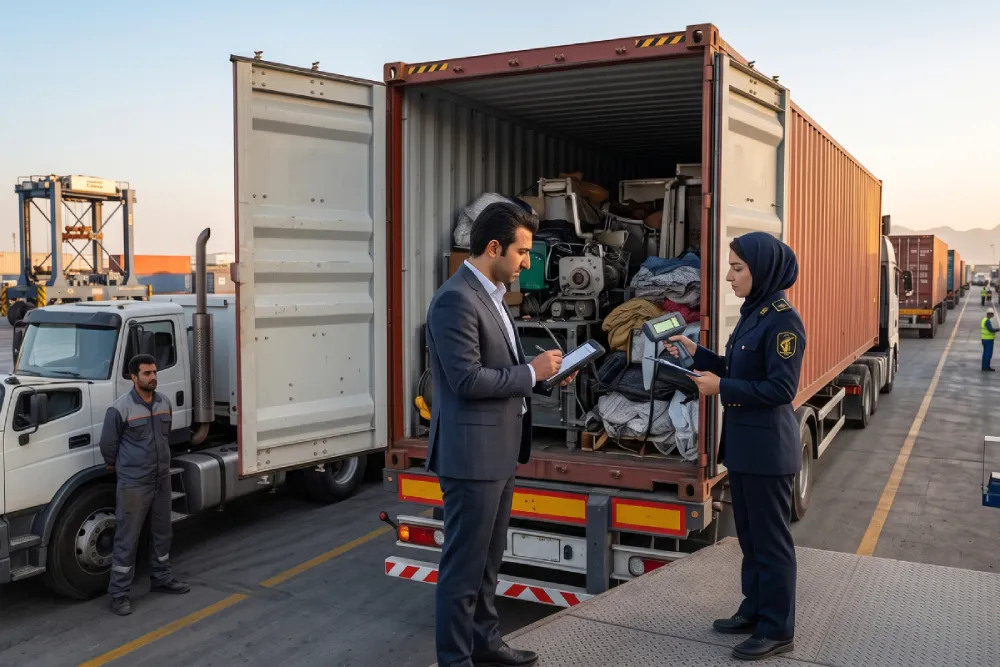
کارگزار گمرکی (ترخیص کار) کیست؟
با توجه به پیچیدگی مراحلی که ذکر شد، معمولاً بازرگانان خودشان به صورت مستقیم برای ترخیص کالا اقدام نمیکنند. “کارگزار گمرکی” (Customs Broker) یا ترخیصکار، شخصیتی حقیقی یا حقوقی است که از سوی گمرک جمهوری اسلامی ایران دارای پروانه و مجوز رسمی فعالیت بوده و به عنوان نماینده قانونی صاحب کالا (با داشتن وکالتنامه رسمی) تمام مراحل ترخیص کالا از گمرک را به انجام میرساند. یک کارگزار حرفهای دارای تسلط کامل بر تعرفههای گمرکی، بخشنامههای جدید، ارزشگذاری کالاها و فرایندهای اداری سامانه EPL است.
چرا به یک کارگزار گمرکی نیاز داریم؟ نقش و اهمیت آن
استفاده از تخصص یک ترخیصکار در فرایند ترخیص کالا از گمرک مزایای بیشماری دارد که مستقیماً بر حاشیه سود و زمانبندی پروژههای تجاری تاثیر میگذارد. در ادامه به مهمترین دلایل نیاز به کارگزار گمرکی اشاره میکنیم:
کاهش هزینههای جانبی و انبارداری
هر یک روز توقف اضافی کالا در انبارهای گمرک، معادل پرداخت هزینههای سنگین دموراژ (حق توقف کانتینر) و انبارداری است. یک کارگزار گمرکی باتجربه، با پیشبینی الزامات و آمادهسازی زودهنگام اسناد، از رسوب کالا در گمرک جلوگیری کرده و هزینههای مازاد را به شدت کاهش میدهد.
تسریع در روند ترخیص و جلوگیری از خواب سرمایه
برای یک تاجر، زمان برابر با پول است. خواب سرمایه در گمرک میتواند فرصتهای فروش در بازار را از بین ببرد. کارگزاران گمرکی به دلیل آشنایی با کارشناسان، روند کار سامانه و مسیرهای قانونی، میتوانند زمان ترخیص کالا از گمرک را از چندین هفته به چند روز کاهش دهند.
آشنایی کامل با قوانین و جلوگیری از جرایم
قوانین و بخشنامههای گمرکی به صورت مستمر در حال تغییر هستند. انتخاب اشتباه کد تعرفه کالا (HS Code) یا اظهار نادرست ارزش کالا میتواند منجر به جریمههای سنگین نقدی و حتی برچسب قاچاق شود. ترخیصکار حرفهای با اشراف بر این قوانین، از بروز هرگونه اشتباه سهوی که تبعات قانونی دارد جلوگیری میکند.
خدمات گمرک و ترخیص کالا در شرکت حمل و نقل آپادانا
انجام امور گمرکی به صورت جزیرهای و جدا از فرایند حمل و نقل میتواند باعث ناهماهنگی و اتلاف وقت شود. اینجاست که اهمیت همکاری با یک شرکت حمل و نقل جامع به چشم میآید. شرکت حمل و نقل آپادانا با سالها تجربه درخشان در زمینه حمل و نقل بین المللی، نه تنها وظیفه جابجایی ایمن و سریع محمولههای شما را از سراسر جهان بر عهده میگیرد، بلکه با داشتن دپارتمان تخصصی ترخیص کالا، پکیج کاملی از خدمات لجستیکی را ارائه میدهد.
هنگامی که محموله شما از طریق مرزهای زمینی، هوایی یا حمل و نقل دریایی وارد کشور میشود، تیم متخصص شرکت حمل و نقل آپادانا بلافاصله وارد عمل شده و تمامی خدمات گمرک را با بالاترین دقت و سرعت به انجام میرساند. یکپارچگی خدمات حمل و ترخیص در این شرکت، باعث ایجاد هماهنگی بینظیر، کاهش هزینههای پنهان و آرامش خاطر بازرگانان میشود تا بدون دغدغه گمرک، تنها بر روی توسعه کسبوکار خود تمرکز کنند.
سوالات متداول درباره مراحل ترخیص کالا از گمرک
زمان مورد نیاز برای ترخیص کالا از گمرک چقدر است؟
زمان ترخیص به عوامل متعددی از جمله نوع کالا، مسیر گمرکی (سبز، زرد یا قرمز)، نیاز به اخذ مجوزهای استاندارد یا بهداشت و همچنین سرعت عمل کارگزار گمرکی بستگی دارد. این زمان میتواند از ۲ تا ۳ روز کاری برای مسیر سبز تا چند هفته برای کالاهای نیازمند مجوز زمان ببرد.
آیا برای ترخیص کالا داشتن کارت بازرگانی الزامی است؟
بله، برای واردات و صادرات تجاری کالا و طی کردن مراحل تشریفات گمرکی، داشتن کارت بازرگانی معتبر الزامی است. در صورتی که شخص یا شرکتی فاقد این کارت باشد، میتواند از کارت بازرگانی شرکتهای ترخیصکار و کارگزاران رسمی استفاده نماید.
کد تعرفه گمرکی (HS Code) چیست و چه اهمیتی دارد؟
کد تعرفه یا HS Code یک سیستم شمارهگذاری استاندارد بینالمللی برای طبقهبندی کالاهاست. اهمیت این کد در فرایند ترخیص بسیار بالاست، زیرا میزان حقوق و عوارض ورودی، نیاز به مجوزهای خاص و شرایط واردات کالا کاملاً بر اساس این کد هشت رقمی تعیین میشود.
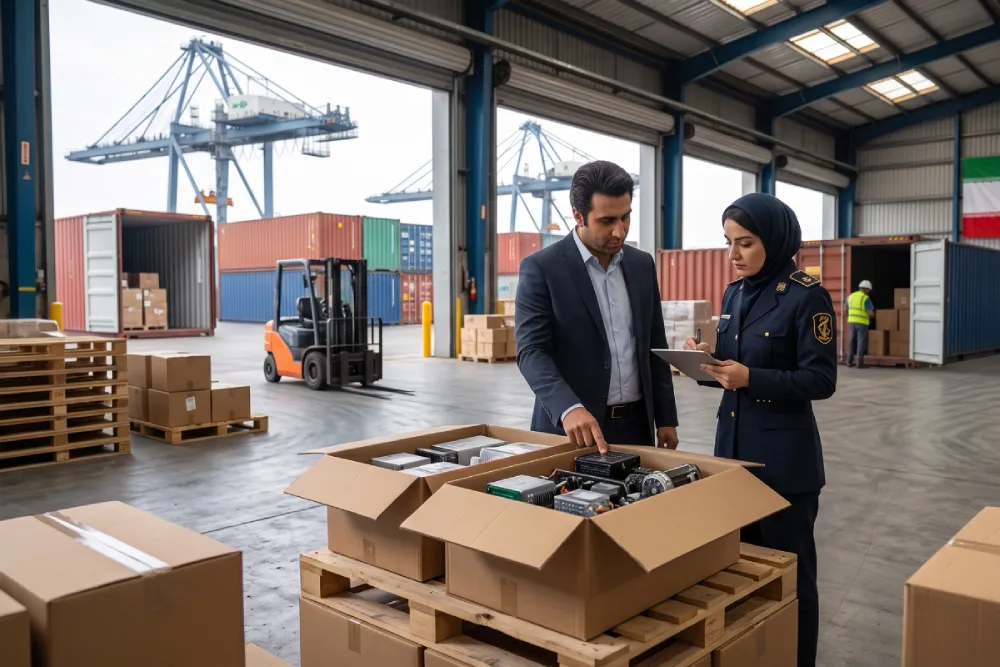
جمعبندی
تجارت بینالمللی و عبور کالا از مرزها بدون آشنایی با تشریفات گمرکی امری ناممکن است. ترخیص کالا از گمرک فرایندی است که نیازمند دقت بالا، دانش حقوقی و تجربه عملی است. در این مقاله به صورت گامبهگام از لحظه ورود کالا تا خروج آن از انبارها را بررسی کردیم و متوجه شدیم که نقش کارگزاران گمرکی در حفظ سرمایه و زمان تا چه حد حیاتی است.
انتخاب یک مجموعه حرفهای مانند شرکت حمل و نقل آپادانا که به طور همزمان حمل و نقل بین المللی و امور ترخیص را مدیریت کند، بهترین استراتژی برای بازرگانانی است که به دنبال تجارتی امن، پرسود و بیدردسر هستند. امیدواریم این مقاله توانسته باشد دیدگاه روشنی از فرایندهای گمرکی و اهمیت همراهی با متخصصان این حوزه به شما ارائه دهد.