در دنیای پرشتاب تجارت امروز، واردات و صادرات کالا به عنوان شریان اصلی اقتصاد کشورها شناخته می‌شود. هر تاجری که قصد دارد محصولات خود را از مرزهای یک کشور عبور دهد، با یک سد قانونی و ساختاریافته به نام گمرک روبرو خواهد شد. عبور موفقیت‌آمیز از این سد، نیازمند دانش عمیق، تجربه و تسلط بر قوانین پیچیده تجاری است. فرایند ترخیص کالا از گمرک یکی از حساس‌ترین و پرچالش‌ترین بخش‌های زنجیره تامین است که کوچکترین اشتباه در آن می‌تواند منجر به تاخیرهای طولانی‌مدت، جریمه‌های سنگین و حتی توقیف کامل محموله شود.

بسیاری از بازرگانان با وجود موفقیت در خرید و انتقال کالا، در مرحله گمرک دچار مشکلات عدیده‌ای می‌شوند، زیرا تشریفات گمرکی دائماً در حال تغییر و به‌روزرسانی است. در این شرایط، بهره‌گیری از تخصص یک کارگزار رسمی گمرک و یک مجموعه معتبر مانند شرکت حمل و نقل آپادانا که به تمامی زیر و بم‌های این مسیر آشناست، نه تنها یک انتخاب، بلکه یک ضرورت حیاتی برای حفظ سرمایه و زمان است. در این مقاله جامع، قصد داریم تمامی جزئیات و مراحل گام‌به‌گام ترخیص کالا از گمرک را بررسی کرده و نقش پررنگ کارگزاران گمرکی در تسهیل این روند را تحلیل کنیم.
Customs brokerage Iran

ترخیص کالا از گمرک چیست؟

به بیان ساده، ترخیص کالا از گمرک (Customs Clearance) به مجموعه اقدامات، تشریفات و مراحل قانونی گفته می‌شود که طی آن یک کالا اجازه ورود به داخل مرزهای یک کشور (واردات) یا خروج از آن (صادرات) را پیدا می‌کند. این تشریفات شامل ارائه مدارک هویتی و تجاری، پرداخت حقوق و عوارض گمرکی، مالیات‌ها، دریافت مجوزهای لازم از سازمان‌های مرتبط (مانند استاندارد، بهداشت، قرنطینه و…) و در نهایت آزاد شدن کالا از انبارهای گمرک است.

هدف اصلی از اجرای قوانین سخت‌گیرانه برای ترخیص کالا از گمرک، کنترل دقیق جریان کالاها، جلوگیری از قاچاق، حمایت از تولیدات داخلی، حفظ سلامت جامعه و وصول درآمدهای دولتی است. تا زمانی که تمامی این مراحل به صورت کامل و قانونی طی نشود، مالک کالا حق دخل و تصرف در محموله خود را نخواهد داشت.

مراحل ترخیص کالا از گمرک به صورت گام به گام

فرایند آزادسازی کالا از گمرک یک مسیر خطی و مشخص دارد که البته بسته به نوع کالا و کشور مبدأ یا مقصد می‌تواند پیچیدگی‌های خاص خود را داشته باشد. یک محموله چه از طریق حمل و نقل دریایی وارد بنادر شده باشد و چه از مرزهای زمینی و هوایی، باید این مسیر را طی کند. در ادامه مراحل اصلی ترخیص کالا از گمرک را به تفصیل بررسی می‌کنیم:

گام اول: ورود کالا و دریافت قبض انبار

اولین مرحله زمانی آغاز می‌شود که کالا توسط شرکت‌های حمل و نقل بین المللی به یکی از مرزهای گمرکی کشور (بنادر، فرودگاه‌ها یا مرزهای زمینی) می‌رسد. پس از تخلیه بار در محوطه‌های گمرکی، کالا تحویل انبارهای گمرک شده و سندی به نام “قبض انبار” صادر می‌گردد. قبض انبار حاوی اطلاعات مهمی مانند وزن، حجم، نوع بسته‌بندی و مشخصات کلی محموله است و به عنوان رسید تحویل کالا به گمرک محسوب می‌شود.

گام دوم: آماده‌سازی و ثبت اسناد در سامانه گمرکی (EPL)

در این مرحله، صاحب کالا یا نماینده قانونی وی باید تمامی اسناد تجاری شامل پروفرما (پیش‌فاکتور)، فاکتور تجاری، پکینگ لیست (لیست بسته‌بندی)، بارنامه، گواهی مبدأ، بیمه‌نامه و قبض انبار را آماده کند. سپس این اطلاعات باید در سامانه جامع امور گمرکی (EPL) ثبت شود. پس از ثبت دقیق اطلاعات، سیستم یک شماره پیگیری به نام “کوتاژ” (Cottage) به پرونده اختصاص می‌دهد که نشان‌دهنده ثبت رسمی اظهارنامه است.

گام سوم: تعیین مسیر گمرکی (سبز، زرد، قرمز)

پس از دریافت کوتاژ، سیستم هوشمند گمرک بر اساس عواملی مانند نوع کالا، اعتبار صاحب کالا، کشور مبدأ و قوانین جاری، یکی از سه مسیر زیر را برای ارزیابی کالا تعیین می‌کند:

گام چهارم: ارزیابی و کنترل کالا

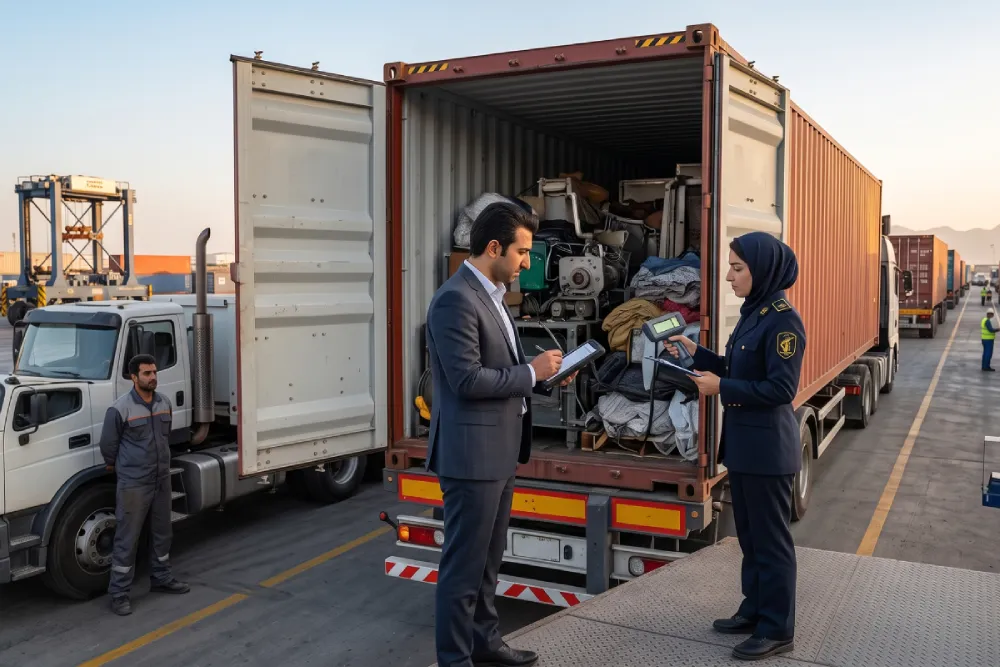
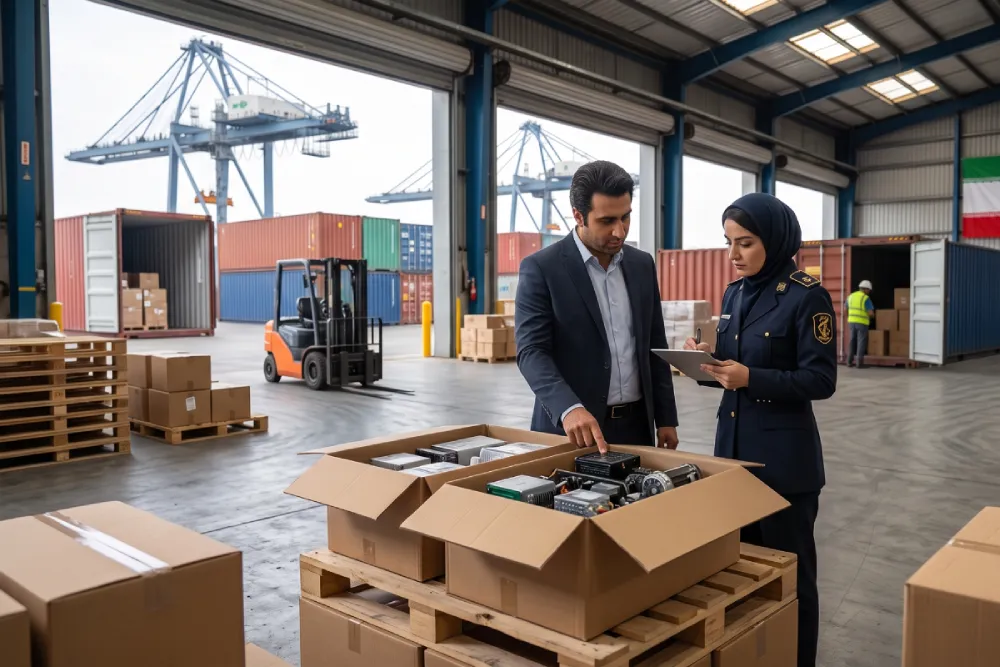
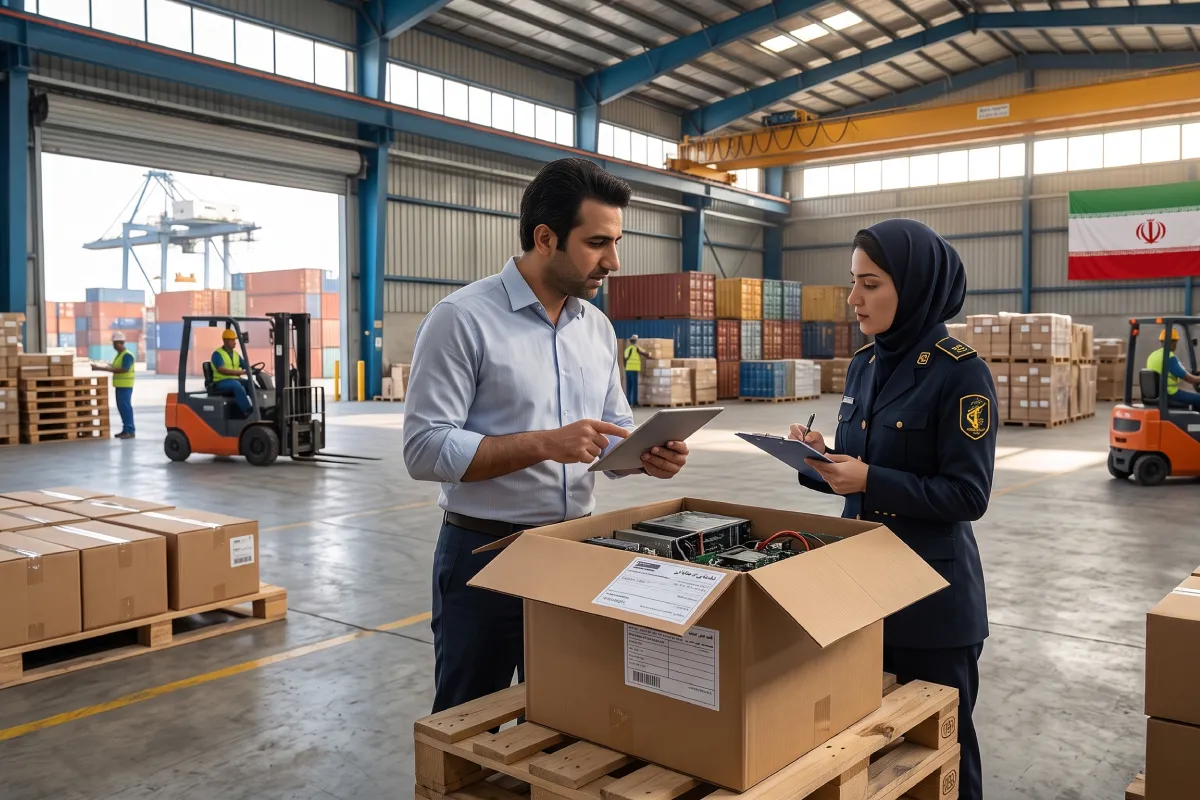
اگر اظهارنامه در مسیر قرمز قرار گیرد، ارزیاب گمرک کالا را به صورت فیزیکی بازرسی می‌کند تا مشخصات واقعی محموله با آنچه در اسناد اظهار شده (از نظر نوع، تعداد، وزن، ارزش و تعرفه گمرکی) کاملاً تطابق داشته باشد. این مرحله در روند ترخیص کالا از گمرک بسیار حساس است، زیرا هرگونه مغایرت می‌تواند منجر به جریمه و تشکیل پرونده تخلف شود.

گام پنجم: اخذ مجوزهای قانونی

بسیاری از کالاها برای ورود به کشور نیازمند دریافت مجوز از نهادهای ذی‌ربط هستند. برای مثال، مواد غذایی و دارویی نیاز به مجوز وزارت بهداشت دارند، قطعات صنعتی ممکن است به مجوز سازمان ملی استاندارد نیاز داشته باشند و تجهیزات رادیویی نیازمند تأیید سازمان تنظیم مقررات هستند. دریافت این مجوزها بخش مهمی از تشریفات ترخیص کالا از گمرک است.

گام ششم: پرداخت هزینه‌ها و صدور پروانه گمرکی

پس از تایید نهایی کارشناس گمرک، مبلغ دقیق حقوق ورودی، عوارض، مالیات بر ارزش افزوده و سایر هزینه‌های گمرکی محاسبه و به صاحب کالا ابلاغ می‌شود. پس از واریز مبالغ مشخص شده، سند نهایی به نام “پروانه سبز گمرکی” (برگ سبز) صادر می‌شود که نشان‌دهنده پایان تشریفات قانونی ارزیابی است.

گام هفتم: تسویه با انبار و خروج کالا از گمرک

در مرحله آخر، صاحب کالا یا کارگزار گمرکی با در دست داشتن پروانه سبز به انبار گمرک مراجعه می‌کند. پس از پرداخت هزینه‌های انبارداری و تخلیه و بارگیری، مجوز بارگیری یا “بیجک خروج” صادر می‌شود. پس از آن، ناوگان حمل و نقل داخلی کالا را از درب خروج گمرک به سمت انبار مقصد نهایی منتقل می‌کند.

ترخیص کالا از گمرک

کارگزار گمرکی (ترخیص کار) کیست؟

با توجه به پیچیدگی مراحلی که ذکر شد، معمولاً بازرگانان خودشان به صورت مستقیم برای ترخیص کالا اقدام نمی‌کنند. “کارگزار گمرکی” (Customs Broker) یا ترخیص‌کار، شخصیتی حقیقی یا حقوقی است که از سوی گمرک جمهوری اسلامی ایران دارای پروانه و مجوز رسمی فعالیت بوده و به عنوان نماینده قانونی صاحب کالا (با داشتن وکالت‌نامه رسمی) تمام مراحل ترخیص کالا از گمرک را به انجام می‌رساند. یک کارگزار حرفه‌ای دارای تسلط کامل بر تعرفه‌های گمرکی، بخشنامه‌های جدید، ارزش‌گذاری کالاها و فرایندهای اداری سامانه EPL است.

چرا به یک کارگزار گمرکی نیاز داریم؟ نقش و اهمیت آن

استفاده از تخصص یک ترخیص‌کار در فرایند ترخیص کالا از گمرک مزایای بی‌شماری دارد که مستقیماً بر حاشیه سود و زمان‌بندی پروژه‌های تجاری تاثیر می‌گذارد. در ادامه به مهم‌ترین دلایل نیاز به کارگزار گمرکی اشاره می‌کنیم:

کاهش هزینه‌های جانبی و انبارداری

هر یک روز توقف اضافی کالا در انبارهای گمرک، معادل پرداخت هزینه‌های سنگین دموراژ (حق توقف کانتینر) و انبارداری است. یک کارگزار گمرکی باتجربه، با پیش‌بینی الزامات و آماده‌سازی زودهنگام اسناد، از رسوب کالا در گمرک جلوگیری کرده و هزینه‌های مازاد را به شدت کاهش می‌دهد.

تسریع در روند ترخیص و جلوگیری از خواب سرمایه

برای یک تاجر، زمان برابر با پول است. خواب سرمایه در گمرک می‌تواند فرصت‌های فروش در بازار را از بین ببرد. کارگزاران گمرکی به دلیل آشنایی با کارشناسان، روند کار سامانه و مسیرهای قانونی، می‌توانند زمان ترخیص کالا از گمرک را از چندین هفته به چند روز کاهش دهند.

آشنایی کامل با قوانین و جلوگیری از جرایم

قوانین و بخشنامه‌های گمرکی به صورت مستمر در حال تغییر هستند. انتخاب اشتباه کد تعرفه کالا (HS Code) یا اظهار نادرست ارزش کالا می‌تواند منجر به جریمه‌های سنگین نقدی و حتی برچسب قاچاق شود. ترخیص‌کار حرفه‌ای با اشراف بر این قوانین، از بروز هرگونه اشتباه سهوی که تبعات قانونی دارد جلوگیری می‌کند.

خدمات گمرک و ترخیص کالا در شرکت حمل و نقل آپادانا

انجام امور گمرکی به صورت جزیره‌ای و جدا از فرایند حمل و نقل می‌تواند باعث ناهماهنگی و اتلاف وقت شود. اینجاست که اهمیت همکاری با یک شرکت حمل و نقل جامع به چشم می‌آید. شرکت حمل و نقل آپادانا با سال‌ها تجربه درخشان در زمینه حمل و نقل بین المللی، نه تنها وظیفه جابجایی ایمن و سریع محموله‌های شما را از سراسر جهان بر عهده می‌گیرد، بلکه با داشتن دپارتمان تخصصی ترخیص کالا، پکیج کاملی از خدمات لجستیکی را ارائه می‌دهد.

هنگامی که محموله شما از طریق مرزهای زمینی، هوایی یا حمل و نقل دریایی وارد کشور می‌شود، تیم متخصص شرکت حمل و نقل آپادانا بلافاصله وارد عمل شده و تمامی خدمات گمرک را با بالاترین دقت و سرعت به انجام می‌رساند. یکپارچگی خدمات حمل و ترخیص در این شرکت، باعث ایجاد هماهنگی بی‌نظیر، کاهش هزینه‌های پنهان و آرامش خاطر بازرگانان می‌شود تا بدون دغدغه گمرک، تنها بر روی توسعه کسب‌وکار خود تمرکز کنند.

سوالات متداول درباره مراحل ترخیص کالا از گمرک

زمان مورد نیاز برای ترخیص کالا از گمرک چقدر است؟

زمان ترخیص به عوامل متعددی از جمله نوع کالا، مسیر گمرکی (سبز، زرد یا قرمز)، نیاز به اخذ مجوزهای استاندارد یا بهداشت و همچنین سرعت عمل کارگزار گمرکی بستگی دارد. این زمان می‌تواند از ۲ تا ۳ روز کاری برای مسیر سبز تا چند هفته برای کالاهای نیازمند مجوز زمان ببرد.

آیا برای ترخیص کالا داشتن کارت بازرگانی الزامی است؟

بله، برای واردات و صادرات تجاری کالا و طی کردن مراحل تشریفات گمرکی، داشتن کارت بازرگانی معتبر الزامی است. در صورتی که شخص یا شرکتی فاقد این کارت باشد، می‌تواند از کارت بازرگانی شرکت‌های ترخیص‌کار و کارگزاران رسمی استفاده نماید.

کد تعرفه گمرکی (HS Code) چیست و چه اهمیتی دارد؟

کد تعرفه یا HS Code یک سیستم شماره‌گذاری استاندارد بین‌المللی برای طبقه‌بندی کالاهاست. اهمیت این کد در فرایند ترخیص بسیار بالاست، زیرا میزان حقوق و عوارض ورودی، نیاز به مجوزهای خاص و شرایط واردات کالا کاملاً بر اساس این کد هشت رقمی تعیین می‌شود.

ترخیص کالا از گمرک

جمع‌بندی

تجارت بین‌المللی و عبور کالا از مرزها بدون آشنایی با تشریفات گمرکی امری ناممکن است. ترخیص کالا از گمرک فرایندی است که نیازمند دقت بالا، دانش حقوقی و تجربه عملی است. در این مقاله به صورت گام‌به‌گام از لحظه ورود کالا تا خروج آن از انبارها را بررسی کردیم و متوجه شدیم که نقش کارگزاران گمرکی در حفظ سرمایه و زمان تا چه حد حیاتی است.

انتخاب یک مجموعه حرفه‌ای مانند شرکت حمل و نقل آپادانا که به طور همزمان حمل و نقل بین المللی و امور ترخیص را مدیریت کند، بهترین استراتژی برای بازرگانانی است که به دنبال تجارتی امن، پرسود و بی‌دردسر هستند. امیدواریم این مقاله توانسته باشد دیدگاه روشنی از فرایندهای گمرکی و اهمیت همراهی با متخصصان این حوزه به شما ارائه دهد.

دیدگاهتان را بنویسید

نشانی ایمیل شما منتشر نخواهد شد. بخش‌های موردنیاز علامت‌گذاری شده‌اند *

In the fast-paced world of modern trade, the import and export of goods are the vital arteries of national economies. Any merchant aiming to move products across international borders will inevitably face a structured legal barrier known as customs. Successfully navigating this barrier requires profound knowledge, experience, and mastery of complex commercial laws. The process of customs clearance is one of the most sensitive and challenging parts of the supply chain, where even the slightest error can lead to long delays, heavy fines, or even the confiscation of the cargo.

Despite successfully purchasing and shipping goods, many traders face significant hurdles at the border because customs formalities are constantly changing and updating. Under these circumstances, utilizing the expertise of an official Customs brokerage Iran and a reputable organization like Apadana Transport Company, which knows every detail of this path, is not just a choice, but a vital necessity to protect capital and time. In this comprehensive article, we will thoroughly examine every step of the customs clearance process and analyze the prominent role of customs brokers in facilitating this journey.

Customs brokerage Iran

What is Customs Clearance?

Simply put, customs clearance refers to the set of actions, formalities, and legal steps through which a shipment is permitted to enter (import) or exit (export) a country’s borders. These formalities include presenting identification and commercial documents, paying customs tariffs, duties, and taxes, obtaining necessary permits from relevant organizations (such as standards, health, and quarantine authorities), and finally releasing the goods from customs warehouses.

The main purpose of enforcing strict rules for customs clearance is to closely monitor the flow of goods, prevent smuggling, protect domestic industries, ensure public health, and collect government revenues. Until all these steps are fully and legally completed through proper channels like Customs brokerage Iran, the owner of the goods has no right to manipulate or claim the shipment.

The Step-by-Step Customs Clearance Process

Releasing goods from customs follows a linear and specific path, which can have its own complexities depending on the type of goods and the countries of origin or destination. Whether a shipment arrives at ports via Sea freight or through land and air borders, it must go through this path. Below, we detail the main steps of the clearance process:

Step 1: Cargo Arrival and Warehouse Receipt

The first step begins when the cargo reaches one of the country’s customs borders (ports, airports, or land borders) via International transportation companies. After the cargo is unloaded in the customs area, it is handed over to customs warehouses, and a document called a “Warehouse Receipt” is issued. This receipt contains critical information such as weight, volume, packaging type, and general shipment details, acting as proof of delivery to customs.

Step 2: Document Preparation and System Registration

At this stage, the cargo owner or their legal representative (often a specialist in Customs brokerage Iran) must prepare all commercial documents, including the Proforma Invoice, Commercial Invoice, Packing List, Bill of Lading, Certificate of Origin, Insurance Policy, and Warehouse Receipt. This information must then be entered into the Comprehensive Customs System (EPL). Once accurately registered, the system assigns a tracking number known as a “Cottage,” indicating the official registration of the declaration.

Step 3: Determining the Customs Route (Green, Yellow, Red)

After receiving the Cottage, the intelligent customs system determines one of three routes for evaluating the goods based on factors like the type of cargo, the credibility of the owner, the country of origin, and current laws:

Step 4: Cargo Evaluation and Inspection

If the declaration falls into the Red Route, a customs appraiser physically inspects the goods to ensure the actual shipment perfectly matches what is declared in the documents (in terms of type, quantity, weight, value, and customs tariff). This stage is highly sensitive in the clearance process, as any discrepancy can result in fines and legal violations.

Step 5: Obtaining Legal Permits

Many goods require permits from relevant authorities to enter the country. For example, food and pharmaceutical products need Ministry of Health approval, industrial parts may require National Standard Organization certification, and radio equipment needs telecommunications regulatory approval. Obtaining these permits is a crucial part of the services provided by experts in Customs brokerage Iran.

Step 6: Payment of Tariffs and Issuing the Customs Declaration

After final approval by the customs expert, the exact amount of import duties, taxes, value-added tax (VAT), and other customs fees is calculated and communicated to the cargo owner. Following the payment of these specified amounts, the final document known as the “Green Customs Declaration” is issued, signifying the end of the legal evaluation formalities.

Step 7: Warehouse Settlement and Cargo Exit

In the final step, the owner or the representative of Customs brokerage Iran takes the Green Declaration to the customs warehouse. After paying warehousing fees and loading charges, an exit permit is issued. Following this, the domestic transportation fleet moves the cargo from the customs exit gates to the final destination warehouse.

ترخیص کالا از گمرک

Who is a Customs Broker?

Given the complexity of the steps mentioned, merchants rarely undertake the clearance process directly. A customs broker is a licensed individual or corporate entity authorized by the national customs administration. Acting as the legal representative of the cargo owner (holding official power of attorney), they handle all stages of clearance. A professional broker is fully conversant with customs tariffs, new directives, cargo valuation, and the administrative processes of the electronic customs systems.

Why You Need Customs brokerage Iran: Role and Importance

Utilizing the expertise of a specialized agent through Customs brokerage Iran offers numerous advantages that directly impact profit margins and commercial project timelines. Below are the most important reasons why a customs broker is essential:

Reducing Extra Costs and Demurrage

Every extra day a shipment stays in customs warehouses equals heavy demurrage (container detention) and warehousing costs. An experienced broker prevents cargo stagnation by predicting requirements and preparing documents early, drastically reducing unnecessary expenses.

Speeding Up the Clearance Process

For a trader, time is money. Having capital tied up in customs can destroy sales opportunities in the market. Thanks to their familiarity with experts, system workflows, and legal pathways, professionals in Customs brokerage Iran can reduce the clearance time from several weeks to just a few days.

Navigating Complex and Changing Regulations

Customs laws and directives are constantly changing. Choosing the wrong Harmonized System (HS) code or inaccurately declaring the value of the goods can lead to heavy cash fines or even smuggling allegations. A professional broker prevents any inadvertent mistakes that carry legal consequences.

Comprehensive Customs services at Apadana Transport Company

Handling customs affairs in isolation from the transportation process can lead to miscoordination and wasted time. This is where the importance of partnering with a comprehensive Transport company becomes apparent. Apadana Transport Company, with years of stellar experience in the field of International transportation, not only takes charge of moving your shipments safely and swiftly from around the world, but also provides a complete logistics package through its specialized clearance department offering premium Customs services.

When your cargo enters the country via land, air, or Sea freight, the expert team at Apadana Transport Company immediately steps in to perform all Customs services with the utmost precision and speed. The integration of freight and clearance services within this Transport company creates unparalleled coordination, reduces hidden costs, and gives merchants the peace of mind to focus solely on growing their business without customs anxieties.

Frequently Asked Questions About the Clearance Process

How long does the customs clearance process take?

Clearance time depends on several factors, including the type of goods, the customs route (Green, Yellow, or Red), the need for standard or health permits, and the efficiency of your agent providing Customs brokerage Iran. It can take anywhere from 2 to 3 working days for the Green route to several weeks for goods requiring special permits.

Is a commercial card required for clearance?

Yes, having a valid commercial card is mandatory for the commercial import and export of goods and completing customs formalities. If an individual or company lacks this card, they can utilize the commercial cards of licensed broker companies.

What is the HS Code and why is it important?

The HS Code (Harmonized System) is an internationally standardized numerical method of classifying traded products. Its importance in the clearance process is critical, as the amount of import duties, the need for specific permits, and the import conditions are entirely determined based on this 8-digit code.

ترخیص کالا از گمرک

Conclusion

International trade and moving goods across borders is impossible without an understanding of customs formalities. Customs clearance is a process that demands high precision, legal knowledge, and practical experience. In this article, we examined the step-by-step journey of goods from arrival to their exit from warehouses, highlighting how vital the role of Customs brokerage Iran is in protecting time and capital.

Choosing a professional organization like Apadana Transport Company to simultaneously manage International transportation and clearance affairs is the best strategy for merchants seeking secure, profitable, and hassle-free trade. We hope this article has provided a clear perspective on customs processes and the importance of partnering with experts in this field.

دیدگاهتان را بنویسید

نشانی ایمیل شما منتشر نخواهد شد. بخش‌های موردنیاز علامت‌گذاری شده‌اند *