
صنعت لجستیک و تجارت جهانی همواره به دنبال راهکارهایی برای تسریع روند جابجایی کالا، کاهش هزینههای جانبی و مدیریت هوشمندانه محدودیتهای تجاری است. در این میان، کراس استافینگ یکی از کاربردیترین عملیات بندری و گمرکی است که انعطافپذیری بالایی را به زنجیره تأمین اضافه میکند. انتقال مستقیم کالا از یک کانتینر به کانتینر دیگر بدون نیاز به انبار کردن طولانیمدت بار، پایهایترین تعریف این فرایند است. زمانی که مسیرهای تجاری با چالشهایی نظیر تغییر خطوط کشتیرانی، محدودیتهای ورود کشتیها به بنادر خاص یا تحریمهای اقتصادی مواجه میشوند، یک شرکت حمل و نقل بین المللی حرفهای با استفاده از این تکنیک، مسیر رسیدن کالا به مقصد نهایی را هموار میکند.
کراس استافینگ چیست؟
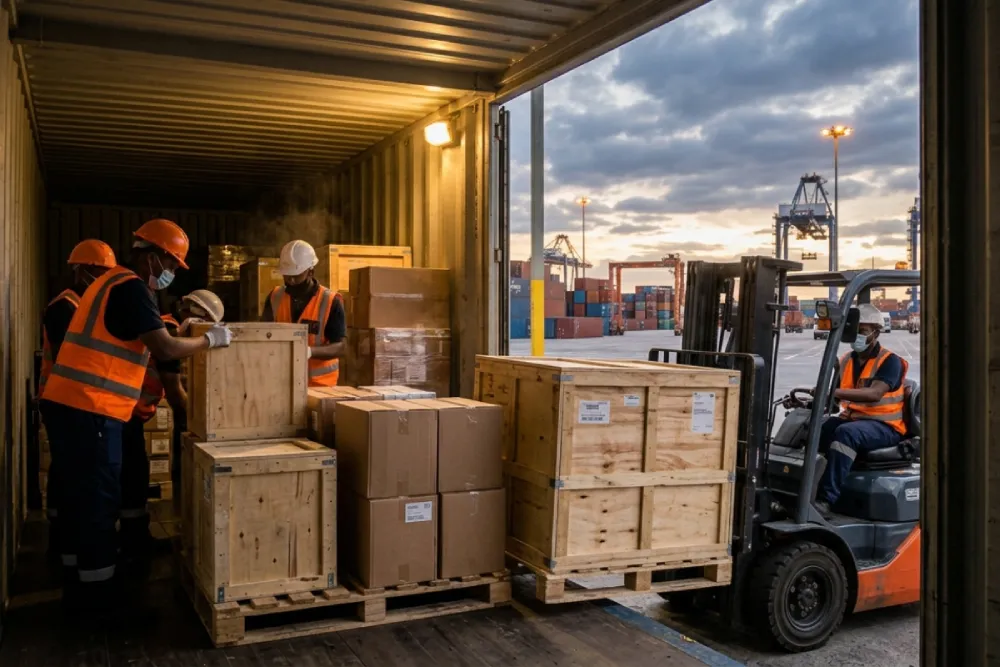
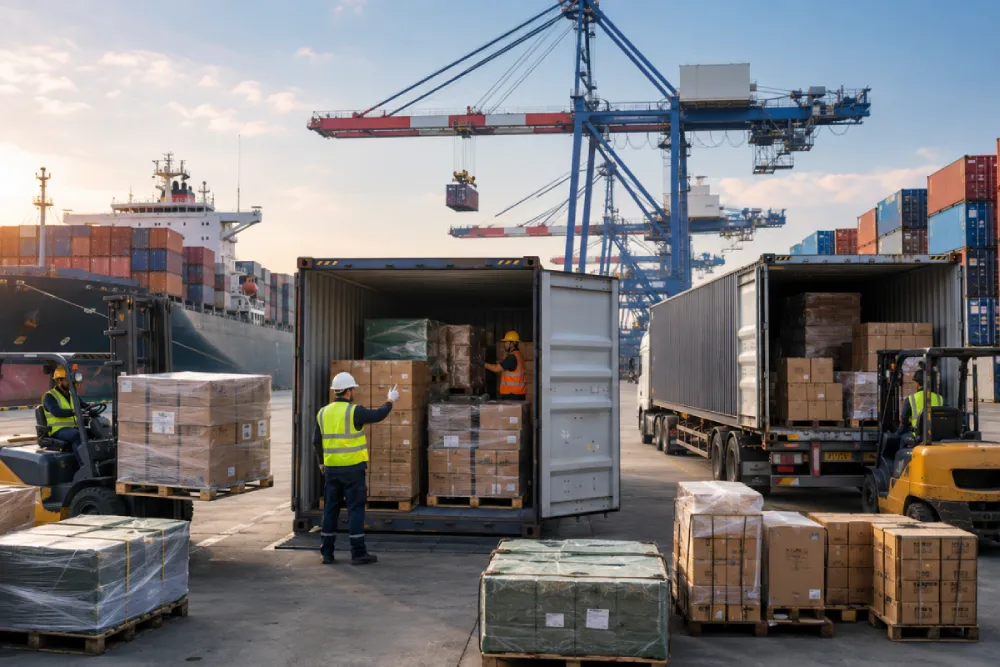
به بیان ساده، کراس استافینگ (Cross-Stuffing) به عملیات تخلیه بار از درون یک کانتینر و بارگیری بلافاصله آن به درون یک کانتینر دیگر گفته میشود. این فرایند معمولاً در محوطه بنادر، ایستگاههای حمل و نقل کانتینری (CFS) و پایانههای گمرکی مجهز انجام میپذیرد. هدف اصلی در این عملیات، جلوگیری از انتقال کالا به انبارهای طولانیمدت و تسریع در روند انتقال آن به ناوگان بعدی است. در حمل و نقل دریایی، گاهی کانتینرهای متعلق به یک خط کشتیرانی خاص اجازه ورود به بندر مقصد را ندارند، یا تجهیزات کشتی اول برای ادامه مسیر مناسب نیست. در چنین شرایطی، کالا با تجهیزات تخصصی مانند لیفتراک و جرثقیل از کانتینر اولیه خارج شده و درون کانتینرهای خط کشتیرانی جدید جایگذاری میشود تا بتواند به مسیر خود ادامه دهد.
دلایل و اهمیت استفاده از کراس استافینگ در زنجیره تأمین
فرایند جابجایی بین کانتینری تنها یک اقدام عملیاتی ساده نیست، بلکه یک استراتژی تجاری برای حفظ بقای چرخههای اقتصادی در شرایط پیچیده است. بازرگانان و شرکتهای تجاری به دلایل متعددی به این سرویس وابستگی دارند.
دور زدن محدودیتها و تحریمهای تجاری
در بسیاری از مواقع، کشورهای مقصد به دلایل سیاسی یا اقتصادی، ورود کشتیها یا کانتینرهای متعلق به شرکتهای خاصی را ممنوع میکنند. در این حالت، تجار کالا را به یک بندر واسطه (مانند بندر جبل علی در امارات) منتقل کرده و با انجام کراس استافینگ، بار را به کانتینرهایی با مالکیت شرکتهای مجاز منتقل میکنند. این ترفند هوشمندانه باعث میشود تا تحریمها روند تجارت را متوقف نکنند.
تغییر ناوگان و خطوط کشتیرانی
گاهی کالا در میانههای مسیر باید خط کشتیرانی خود را تغییر دهد. از آنجا که کانتینرها داراییهای انحصاری هر خط کشتیرانی هستند، شرکت اول اجازه نمیدهد کانتینر او توسط کشتی شرکت رقیب به مقصد نهایی برود. در اینجا با تخلیه و بارگیری مجدد، کالا تحویل ناوگان جدید میشود تا حمل و نقل دریایی بدون توقف ادامه یابد.
کاهش هزینههای انبارداری و دموراژ
انبار کردن محمولهها در بنادر واسطه شامل هزینههای سنگین انبارداری و همچنین جریمههای دیرکرد کانتینر (دموراژ) میشود. انتقال سریع بار بین دو کانتینر، نیاز به اجاره فضای انبار را از بین برده و سرعت انتقال و گردش سرمایه را به شکل چشمگیری افزایش میدهد.
مراحل انجام عملیات کراس استافینگ
اجرای دقیق این فرایند نیازمند تخصص، تجهیزات مدرن و نظارت مستقیم کارشناسان بندری است تا کالا در حین جابجایی دچار کوچکترین آسیبی نشود.
ورود به ایستگاه و فک پلمپ
ابتدا کانتینر حامل بار از کشتی پیاده شده و به محوطه مخصوصی به نام CFS (Container Freight Station) منتقل میشود. پس از حضور نمایندگان گمرک و ترخیصکار، پلمپ کانتینر مبدأ شکسته شده و دربهای آن برای آغاز عملیات باز میشود.
تخلیه ایمن بار با تجهیزات تخصصی
در این مرحله، کارگران متخصص و ماشینآلاتی مانند لیفتراکهای سنگین وارد عمل میشوند. کالاها با نهایت دقت از کانتینر اول خارج میشوند. در صورت نیاز به بررسی کیفی، در همین مرحله کالا توسط نماینده خریدار بازرسی میشود تا سلامت آن پیش از انتقال به کانتینر جدید تأیید شود.
بارگیری و پلمپ در کانتینر مقصد
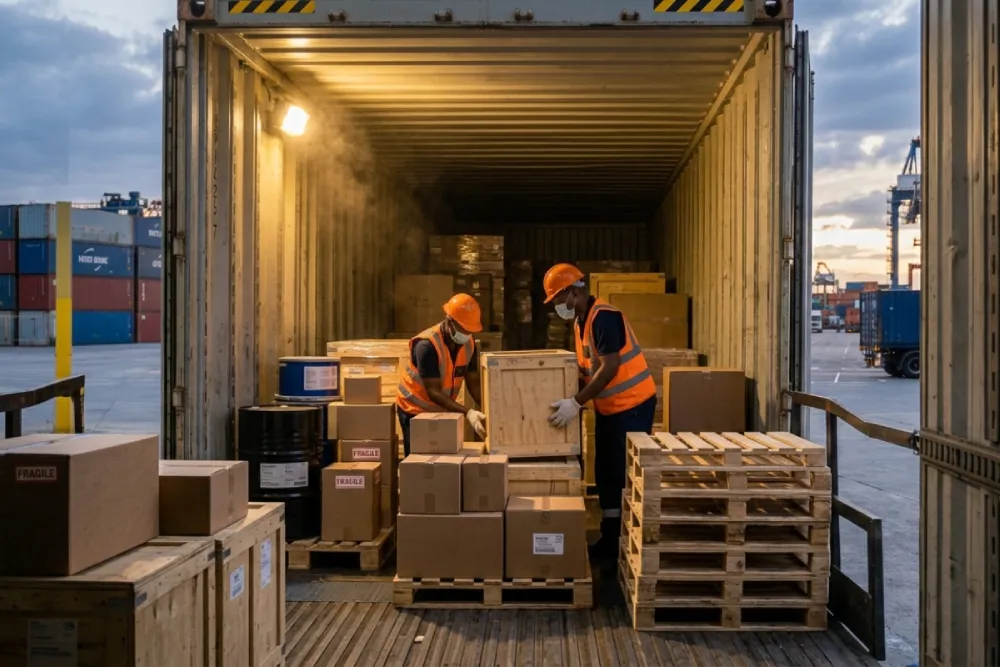
پس از تخلیه، کالاها فوراً و با چیدمانی مهندسیشده به درون کانتینر جدید (متعلق به خط کشتیرانی دوم) منتقل میشوند. توزیع وزن در کانتینر جدید باید کاملاً استاندارد باشد تا در طول ادامه مسیر دریایی خطری کشتی را تهدید نکند. در نهایت، درب کانتینر جدید بسته و با حضور ناظران پلمپ میشود تا آماده ارسال به مقصد نهایی گردد.
مزایای کلیدی کراس استافینگ برای تجار و بازرگانان
استفاده هوشمندانه از عملیات جابجایی کانتینری منافع اقتصادی و لجستیکی فراوانی را برای صاحبان کالا به همراه دارد:
حفظ جریان مداوم تجارت حتی در شرایط وجود محدودیتهای منطقهای و بینالمللی.
حذف کامل هزینههای سنگین انبارداری در بنادر ترانزیتی و واسطهای.
امکان تفکیک یک محموله بزرگ و بارگیری آن در چندین کانتینر کوچکتر جهت ارسال به مقاصد مختلف.
سرعت بخشیدن به فرایند خدمات ترانزیت کالا و جلوگیری از خواب سرمایه در گمرکات.
ادغام بارهای کوچک (خردهبارها) از چندین تأمینکننده در یک کانتینر کامل و کاهش هزینههای ارسال.
نقش شرکت حمل و نقل آپادانا در تسهیل عملیات بندری
انجام موفقیتآمیز عملیات جابجایی بار نیازمند هماهنگیهای دقیق بین گمرک، خطوط کشتیرانی، تیمهای تخلیه و بارگیری، و شبکه حمل و نقل است. شرکت حمل و نقل آپادانا به عنوان یک شرکت حمل و نقل بین المللی پیشرو و معتبر، با بهرهگیری از تیمهای عملیاتی مجرب در بنادر کلیدی، صفر تا صد این فرایند را مدیریت میکند. تخصص این مجموعه در ارائه راهحلهای سریع و ایمن باعث شده است تا خطرات ناشی از آسیب دیدن کالا در حین جابجایی به صفر برسد و بازرگانان با خیالی آسوده، مدیریت محمولههای حساس خود را به این مجموعه بسپارند. شرکت حمل و نقل آپادانا با ارائه ناوگان مجهز و مدیریت مستمر، تضمین میکند که سرعت عملیات فدای ایمنی کالا نشود.
تفاوت کراس استافینگ با ترانشیپ چیست؟
یکی از اشتباهات رایج در میان تازهواردان صنعت تجارت، یکی دانستن این دو مفهوم است. در عملیات ترانشیپ (Transshipment)، کانتینر به صورت پلمپ و دستنخورده از یک کشتی پیاده شده و دقیقاً با همان کانتینر و پلمپ روی کشتی دیگری بارگیری میشود. اما در کراس استافینگ، محتویات داخل کانتینر کاملاً تخلیه شده و به یک کانتینر کاملاً جدید با شماره و پلمپ متفاوت منتقل میشود. ترانشیپ زمانی انجام میشود که فقط کشتی تغییر میکند، اما استافینگ متقاطع زمانی ضروری است که خط کشتیرانی یا ناوگان کانتینری تغییر میکند.
عملیات جابجایی بار بین کانتینرها یک ضرورت اجتنابناپذیر در تجارت مدرن است که انعطافپذیری فوقالعادهای را به مسیرهای پیچیده بینالمللی میبخشد. استفاده از تخصص یک شرکت حمل و نقل بین المللی مسلط به قوانین بنادر مبدأ و مقصد، کلید موفقیت در انجام بدون نقص این فرایند است تا کالا با حفظ کیفیت و در کوتاهترین زمان ممکن از طریق خدمات ترانزیت به دست مصرفکننده نهایی برسد. توانایی شبکههای لجستیک در مدیریت درست این پروسه، عامل تعیینکنندهای در کاهش قیمت تمامشده کالاها در بازارهای جهانی است.
سوالات متداول درباره کراس استافینگ
آیا در فرایند کراس استافینگ امکان آسیب دیدن کالا وجود دارد؟
اگر این عملیات توسط نیروهای بیتجربه و بدون ماشینآلات مناسب انجام شود، خطر آسیب فیزیکی به بستهبندیها وجود دارد. به همین دلیل باید این کار تحت نظارت شرکتهای معتبر لجستیکی انجام شود تا کالا با بالاترین استانداردهای ایمنی جابجا گردد.
هزینه کراس استافینگ چگونه محاسبه میشود؟
هزینه این عملیات بر اساس نوع کالا، وزن و حجم محموله، نوع بستهبندی (پالت، فله، کارتن)، نیاز به تجهیزات خاص (مانند لیفتراکهای خاص یا جرثقیل سنگین) و تعرفههای مصوب بندری که عملیات در آن انجام میشود، تعیین میگردد.
کدام بنادر جهان بیشترین خدمات جابجایی کانتینری را ارائه میدهند؟
بنادری که موقعیت ترانزیتی قدرتمندی دارند نظیر بندر جبل علی در دبی، بندر سنگاپور، روتردام هلند و بندر کلمبو، از مهمترین هابهای جهانی برای ارائه این خدمات بندری و تغییر خطوط ناوگان به شمار میآیند.