صنعت لجستیک و تجارت جهانی همواره به دنبال راهکارهایی برای تسریع روند جابجایی کالا، کاهش هزینه‌های جانبی و مدیریت هوشمندانه محدودیت‌های تجاری است. در این میان، کراس استافینگ یکی از کاربردی‌ترین عملیات بندری و گمرکی است که انعطاف‌پذیری بالایی را به زنجیره تأمین اضافه می‌کند. انتقال مستقیم کالا از یک کانتینر به کانتینر دیگر بدون نیاز به انبار کردن طولانی‌مدت بار، پایه‌ای‌ترین تعریف این فرایند است. زمانی که مسیرهای تجاری با چالش‌هایی نظیر تغییر خطوط کشتیرانی، محدودیت‌های ورود کشتی‌ها به بنادر خاص یا تحریم‌های اقتصادی مواجه می‌شوند، یک شرکت حمل و نقل بین المللی حرفه‌ای با استفاده از این تکنیک، مسیر رسیدن کالا به مقصد نهایی را هموار می‌کند.

کراس استافینگ چیست؟

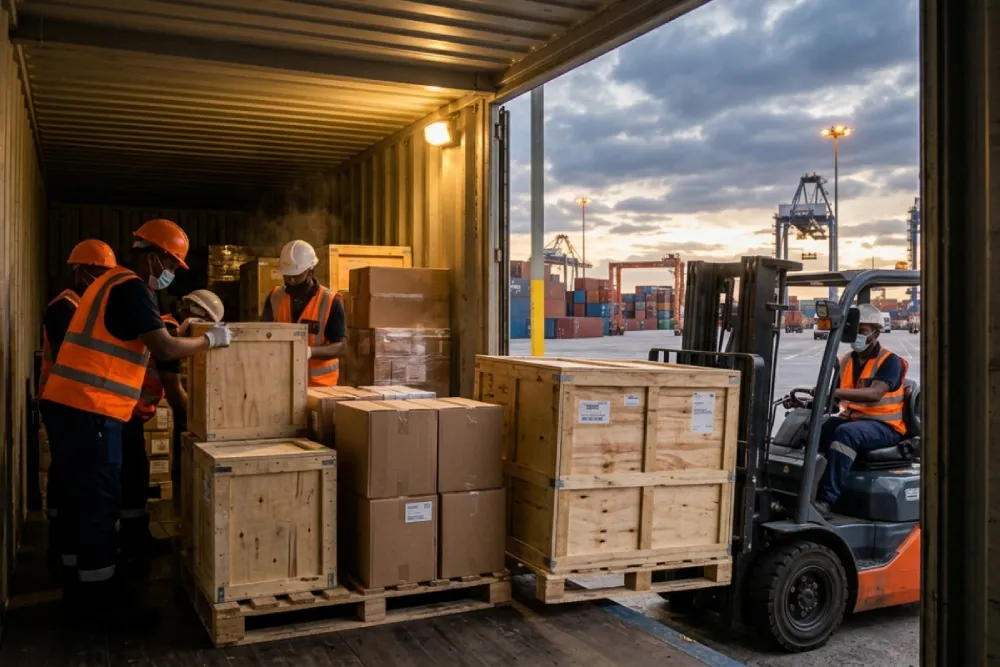
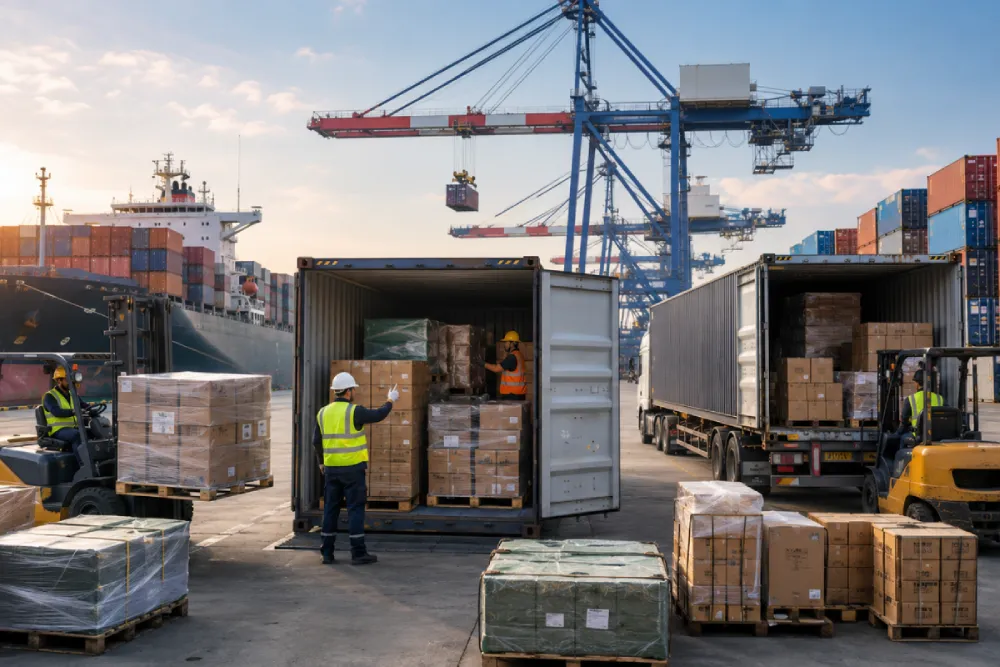
به بیان ساده، کراس استافینگ (Cross-Stuffing) به عملیات تخلیه بار از درون یک کانتینر و بارگیری بلافاصله آن به درون یک کانتینر دیگر گفته می‌شود. این فرایند معمولاً در محوطه بنادر، ایستگاه‌های حمل و نقل کانتینری (CFS) و پایانه‌های گمرکی مجهز انجام می‌پذیرد. هدف اصلی در این عملیات، جلوگیری از انتقال کالا به انبارهای طولانی‌مدت و تسریع در روند انتقال آن به ناوگان بعدی است. در حمل و نقل دریایی، گاهی کانتینرهای متعلق به یک خط کشتیرانی خاص اجازه ورود به بندر مقصد را ندارند، یا تجهیزات کشتی اول برای ادامه مسیر مناسب نیست. در چنین شرایطی، کالا با تجهیزات تخصصی مانند لیفتراک و جرثقیل از کانتینر اولیه خارج شده و درون کانتینرهای خط کشتیرانی جدید جای‌گذاری می‌شود تا بتواند به مسیر خود ادامه دهد.

Cross-stuffing services

دلایل و اهمیت استفاده از کراس استافینگ در زنجیره تأمین

فرایند جابجایی بین کانتینری تنها یک اقدام عملیاتی ساده نیست، بلکه یک استراتژی تجاری برای حفظ بقای چرخه‌های اقتصادی در شرایط پیچیده است. بازرگانان و شرکت‌های تجاری به دلایل متعددی به این سرویس وابستگی دارند.

دور زدن محدودیت‌ها و تحریم‌های تجاری

در بسیاری از مواقع، کشورهای مقصد به دلایل سیاسی یا اقتصادی، ورود کشتی‌ها یا کانتینرهای متعلق به شرکت‌های خاصی را ممنوع می‌کنند. در این حالت، تجار کالا را به یک بندر واسطه (مانند بندر جبل علی در امارات) منتقل کرده و با انجام کراس استافینگ، بار را به کانتینرهایی با مالکیت شرکت‌های مجاز منتقل می‌کنند. این ترفند هوشمندانه باعث می‌شود تا تحریم‌ها روند تجارت را متوقف نکنند.

تغییر ناوگان و خطوط کشتیرانی

گاهی کالا در میانه‌های مسیر باید خط کشتیرانی خود را تغییر دهد. از آنجا که کانتینرها دارایی‌های انحصاری هر خط کشتیرانی هستند، شرکت اول اجازه نمی‌دهد کانتینر او توسط کشتی شرکت رقیب به مقصد نهایی برود. در اینجا با تخلیه و بارگیری مجدد، کالا تحویل ناوگان جدید می‌شود تا حمل و نقل دریایی بدون توقف ادامه یابد.

کاهش هزینه‌های انبارداری و دموراژ

انبار کردن محموله‌ها در بنادر واسطه شامل هزینه‌های سنگین انبارداری و همچنین جریمه‌های دیرکرد کانتینر (دموراژ) می‌شود. انتقال سریع بار بین دو کانتینر، نیاز به اجاره فضای انبار را از بین برده و سرعت انتقال و گردش سرمایه را به شکل چشمگیری افزایش می‌دهد.

مراحل انجام عملیات کراس استافینگ

اجرای دقیق این فرایند نیازمند تخصص، تجهیزات مدرن و نظارت مستقیم کارشناسان بندری است تا کالا در حین جابجایی دچار کوچک‌ترین آسیبی نشود.

ورود به ایستگاه و فک پلمپ

ابتدا کانتینر حامل بار از کشتی پیاده شده و به محوطه مخصوصی به نام CFS (Container Freight Station) منتقل می‌شود. پس از حضور نمایندگان گمرک و ترخیص‌کار، پلمپ کانتینر مبدأ شکسته شده و درب‌های آن برای آغاز عملیات باز می‌شود.

تخلیه ایمن بار با تجهیزات تخصصی

در این مرحله، کارگران متخصص و ماشین‌آلاتی مانند لیفتراک‌های سنگین وارد عمل می‌شوند. کالاها با نهایت دقت از کانتینر اول خارج می‌شوند. در صورت نیاز به بررسی کیفی، در همین مرحله کالا توسط نماینده خریدار بازرسی می‌شود تا سلامت آن پیش از انتقال به کانتینر جدید تأیید شود.

بارگیری و پلمپ در کانتینر مقصد

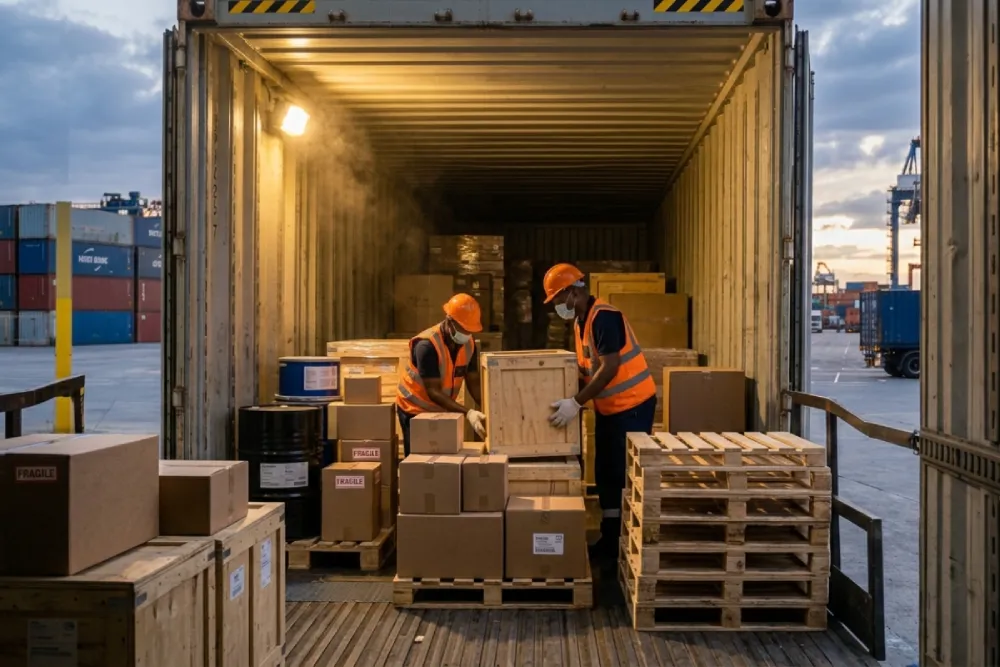
پس از تخلیه، کالاها فوراً و با چیدمانی مهندسی‌شده به درون کانتینر جدید (متعلق به خط کشتیرانی دوم) منتقل می‌شوند. توزیع وزن در کانتینر جدید باید کاملاً استاندارد باشد تا در طول ادامه مسیر دریایی خطری کشتی را تهدید نکند. در نهایت، درب کانتینر جدید بسته و با حضور ناظران پلمپ می‌شود تا آماده ارسال به مقصد نهایی گردد.

کراس استافینگ

مزایای کلیدی کراس استافینگ برای تجار و بازرگانان

استفاده هوشمندانه از عملیات جابجایی کانتینری منافع اقتصادی و لجستیکی فراوانی را برای صاحبان کالا به همراه دارد:


نقش شرکت حمل و نقل آپادانا در تسهیل عملیات بندری

انجام موفقیت‌آمیز عملیات جابجایی بار نیازمند هماهنگی‌های دقیق بین گمرک، خطوط کشتیرانی، تیم‌های تخلیه و بارگیری، و شبکه حمل و نقل است. شرکت حمل و نقل آپادانا به عنوان یک شرکت حمل و نقل بین المللی پیشرو و معتبر، با بهره‌گیری از تیم‌های عملیاتی مجرب در بنادر کلیدی، صفر تا صد این فرایند را مدیریت می‌کند. تخصص این مجموعه در ارائه راه‌حل‌های سریع و ایمن باعث شده است تا خطرات ناشی از آسیب دیدن کالا در حین جابجایی به صفر برسد و بازرگانان با خیالی آسوده، مدیریت محموله‌های حساس خود را به این مجموعه بسپارند. شرکت حمل و نقل آپادانا با ارائه ناوگان مجهز و مدیریت مستمر، تضمین می‌کند که سرعت عملیات فدای ایمنی کالا نشود.

تفاوت کراس استافینگ با ترانشیپ چیست؟

یکی از اشتباهات رایج در میان تازه‌واردان صنعت تجارت، یکی دانستن این دو مفهوم است. در عملیات ترانشیپ (Transshipment)، کانتینر به صورت پلمپ و دست‌نخورده از یک کشتی پیاده شده و دقیقاً با همان کانتینر و پلمپ روی کشتی دیگری بارگیری می‌شود. اما در کراس استافینگ، محتویات داخل کانتینر کاملاً تخلیه شده و به یک کانتینر کاملاً جدید با شماره و پلمپ متفاوت منتقل می‌شود. ترانشیپ زمانی انجام می‌شود که فقط کشتی تغییر می‌کند، اما استافینگ متقاطع زمانی ضروری است که خط کشتیرانی یا ناوگان کانتینری تغییر می‌کند.

عملیات جابجایی بار بین کانتینرها یک ضرورت اجتناب‌ناپذیر در تجارت مدرن است که انعطاف‌پذیری فوق‌العاده‌ای را به مسیرهای پیچیده بین‌المللی می‌بخشد. استفاده از تخصص یک شرکت حمل و نقل بین المللی مسلط به قوانین بنادر مبدأ و مقصد، کلید موفقیت در انجام بدون نقص این فرایند است تا کالا با حفظ کیفیت و در کوتاه‌ترین زمان ممکن از طریق خدمات ترانزیت به دست مصرف‌کننده نهایی برسد. توانایی شبکه‌های لجستیک در مدیریت درست این پروسه، عامل تعیین‌کننده‌ای در کاهش قیمت تمام‌شده کالاها در بازارهای جهانی است.

کراس استافینگ

سوالات متداول درباره کراس استافینگ

آیا در فرایند کراس استافینگ امکان آسیب دیدن کالا وجود دارد؟

اگر این عملیات توسط نیروهای بی‌تجربه و بدون ماشین‌آلات مناسب انجام شود، خطر آسیب فیزیکی به بسته‌بندی‌ها وجود دارد. به همین دلیل باید این کار تحت نظارت شرکت‌های معتبر لجستیکی انجام شود تا کالا با بالاترین استانداردهای ایمنی جابجا گردد.

هزینه کراس استافینگ چگونه محاسبه می‌شود؟

هزینه این عملیات بر اساس نوع کالا، وزن و حجم محموله، نوع بسته‌بندی (پالت، فله، کارتن)، نیاز به تجهیزات خاص (مانند لیفتراک‌های خاص یا جرثقیل سنگین) و تعرفه‌های مصوب بندری که عملیات در آن انجام می‌شود، تعیین می‌گردد.

کدام بنادر جهان بیشترین خدمات جابجایی کانتینری را ارائه می‌دهند؟

بنادری که موقعیت ترانزیتی قدرتمندی دارند نظیر بندر جبل علی در دبی، بندر سنگاپور، روتردام هلند و بندر کلمبو، از مهم‌ترین هاب‌های جهانی برای ارائه این خدمات بندری و تغییر خطوط ناوگان به شمار می‌آیند.

دیدگاهتان را بنویسید

نشانی ایمیل شما منتشر نخواهد شد. بخش‌های موردنیاز علامت‌گذاری شده‌اند *

What Are Cross-Stuffing Services?

Simply put, Cross-stuffing services involve the operation of unloading freight from a source container and immediately reloading it into a new destination container. This procedure generally takes place within port premises, Container Freight Stations (CFS), and properly equipped customs terminals. The primary objective of this operation is to bypass long-term warehousing and expedite the cargo’s transition to the next transport fleet. In sea transport, containers belonging to a specific shipping line might be prohibited from entering a destination port, or the initial vessel’s equipment may not be suitable for the continuing voyage. In such scenarios, the goods are extracted using specialized equipment like heavy-duty forklifts and cranes, and seamlessly placed into the containers of a new shipping line to continue the journey.

Cross-stuffing services

Importance and Reasons for Using Cross-Stuffing in Supply Chains

The process of inter-container transfer is not merely a basic operational step; it is a vital commercial strategy designed to keep economic cycles alive under complex conditions. Merchants and trading companies rely heavily on these services for several critical reasons.

Bypassing Trade Limitations and Restrictions

In many instances, destination countries may prohibit the entry of ships or containers owned by specific entities due to political or economic reasons. To overcome this, merchants route their goods to an intermediary hub (such as the Jebel Ali Port in the UAE). By executing Cross-stuffing services, they transfer the cargo into containers owned by authorized shipping lines. This intelligent maneuver ensures that international trade flows without interruption.

Switching Shipping Fleets and Lines

Sometimes, cargo needs to switch its shipping line mid-journey. Since containers are the exclusive assets of each shipping line, the initial company will not allow its container to be transported by a competitor’s vessel to the final destination. Unloading and reloading the cargo allows it to be handed over to the new fleet, ensuring that the sea transport continues seamlessly without logistical deadlocks.

Reducing Demurrage and Warehousing Costs

Storing shipments at intermediate transit ports involves massive warehousing fees and potential container late-return fines, known as demurrage. Swiftly transferring the load between two containers eliminates the need to rent warehouse space, thereby accelerating the transit speed and significantly improving capital turnover for the business.

How the Cross-Stuffing Operation is Executed

The precise execution of this process requires specialized expertise, modern port equipment, and direct supervision by logistics professionals to ensure the goods are not damaged during handling.

Entry to the Freight Station and Unsealing

First, the container carrying the cargo is discharged from the vessel and moved to a dedicated area known as the Container Freight Station (CFS). Following the arrival of customs representatives and clearance agents, the seal of the origin container is broken, and its doors are opened to commence the operation.

Safe Unloading with Specialized Equipment

At this stage, skilled port laborers and machinery, such as heavy-duty forklifts, step into action. The goods are carefully extracted from the first container. If quality control is necessary, the buyer’s representative will inspect the goods at this point to verify their condition before they are loaded into the new container.

Reloading and Sealing the Destination Container

Following the unloading phase, the items are immediately and strategically packed into the new container (belonging to the second shipping line). Weight distribution inside the new container must strictly adhere to maritime safety standards to prevent any hazards to the vessel during the onward sea voyage. Finally, the new container’s doors are shut and sealed under the supervision of inspectors, marking it ready for dispatch to its final destination.

کراس استافینگ

Key Benefits of Cross-Stuffing Services for Merchants

Employing container transferring operations strategically brings numerous economic and logistical advantages to cargo owners:


The Role of Apadana Transport Company in Facilitating Port Operations

Executing a successful cargo transfer operation requires precise coordination among customs authorities, shipping lines, stevedoring teams, and the broader transport network. The Apadana transport company, as a pioneering and highly reputable international transport company, manages this entire process from A to Z utilizing highly experienced operational teams in key global ports. The expertise of this organization in delivering rapid and secure logistics solutions has virtually eliminated the risks associated with cargo handling. Merchants can confidently entrust the management of their sensitive shipments to this firm. The Apadana transport company guarantees that operational speed is never prioritized at the expense of cargo safety, utilizing fully equipped fleets and continuous monitoring.

What is the Difference Between Cross-Stuffing and Transshipment?

A common misconception among newcomers to the trade industry is treating these two concepts as identical. In Transshipment operations, a sealed and untouched container is unloaded from one vessel and loaded exactly as it is—with the same container box and seal—onto another vessel. However, with Cross-stuffing services, the entire contents of the original container are unloaded and physically transferred into a completely new container with a different identification number and a new customs seal. Transshipment is performed when only the vessel changes, whereas cross-stuffing is essential when the shipping line or the physical container fleet must be changed.

Handling goods between containers is an unavoidable necessity in modern commerce that injects extraordinary flexibility into complex international shipping routes. Leveraging the profound expertise of a certified international transport company that is well-versed in the regulations of both origin and destination ports is the ultimate key to executing this process flawlessly. This ensures that commodities maintain their original quality and reach the final consumer in the shortest possible time via optimized transit services. The capability of logistics networks to accurately govern this procedure is a decisive factor in minimizing the final landed costs of goods in global markets.

کراس استافینگ

Frequently Asked Questions About Cross-Stuffing


Is there a risk of cargo damage during cross-stuffing operations?

If this operation is carried out by inexperienced personnel and without the appropriate machinery, there is a risk of physical damage to the packaging. Therefore, it must be conducted under the direct supervision of reputable logistics companies to ensure the cargo is handled according to the highest safety standards.

How are cross-stuffing costs calculated?

The cost of this operation is determined based on the nature of the goods, the weight and volume of the shipment, the type of packaging (pallets, bulk, cartons), the necessity for specialized equipment (such as specific attachments for forklifts or heavy cranes), and the approved tariffs of the port where the operation takes place.

Which global ports offer the most cross-stuffing services?

Ports that hold a powerful transit and transshipment geographical position, such as Jebel Ali Port in Dubai, the Port of Singapore, the Port of Rotterdam in the Netherlands, and the Port of Colombo, serve as the most crucial global hubs for offering these specific container handling services and facilitating fleet transfers.

دیدگاهتان را بنویسید

نشانی ایمیل شما منتشر نخواهد شد. بخش‌های موردنیاز علامت‌گذاری شده‌اند *