در دنیای پیچیده و پر سرعت تجارت جهانی امروز، جابجایی کالاها از نقطه‌ای به نقطه دیگر کره زمین تنها با بارگیری در مبدأ و تخلیه در مقصد خلاصه نمی‌شود. زنجیره تأمین بین‌المللی با چالش‌های جغرافیایی، سیاسی، اقتصادی و زیرساختی متعددی روبرو است که نیازمند راهکارهای خلاقانه و تخصصی لجستیکی است. زمانی که صحبت از انتقال محموله‌های عظیم تجاری به میان می‌آید، مفاهیمی تخصصی مطرح می‌شوند که درک درست آن‌ها برای هر بازرگان و تاجر موفقی کاملا ضروری است. دو مورد از مهم‌ترین و پرکاربردترین این مفاهیم، ترانشیپمنت و کراس استافینگ هستند. اگرچه بسیاری از افراد تازه‌کار این دو اصطلاح را به جای یکدیگر استفاده می‌کنند، اما در واقعیت تفاوت‌های ساختاری، هزینه‌ای و عملیاتی بسیار گسترده‌ای با یکدیگر دارند. در این مقاله جامع، قصد داریم با زبانی ساده اما کاملا تخصصی و سئو شده، به بررسی دقیق تفاوت ترانشیپمنت و کراس استافینگ بپردازیم و نشان دهیم که چگونه یک کسب‌وکار هوشمند می‌تواند با انتخاب روش درست، هزینه‌های خود را کاهش داده و سرعت رسیدن کالا به بازار هدف را به حداکثر برساند.

ترانشیپمنت چیست و چگونه انجام می‌شود؟

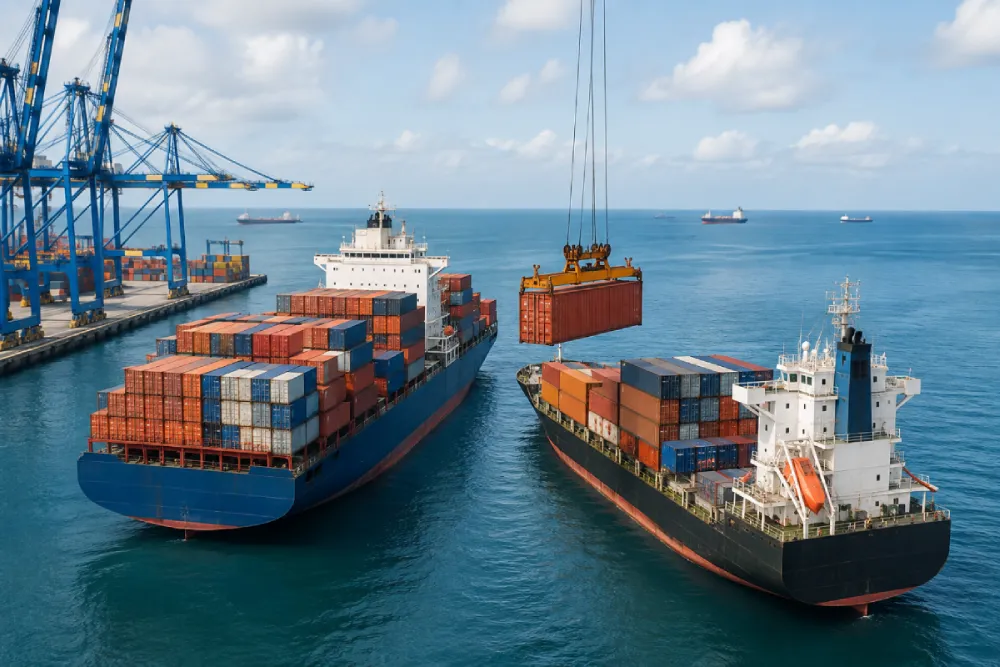
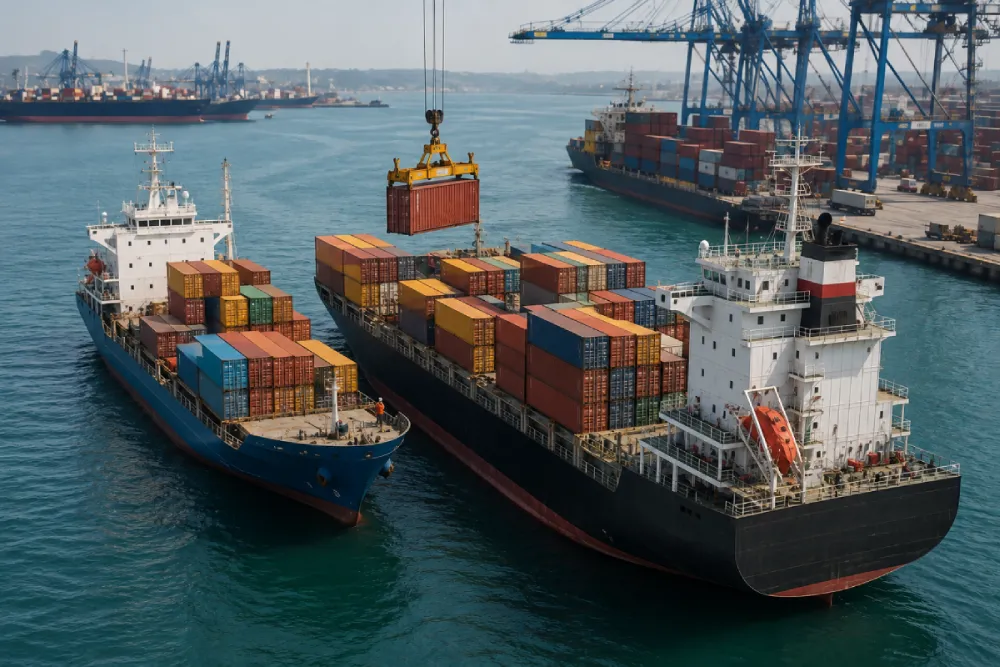
برای درک تفاوت‌ها، ابتدا باید تعریف دقیقی از هر فرایند داشته باشیم. ترانشیپمنت (Transshipment) در لغت به معنای انتقال کالا از یک وسیله نقلیه به وسیله نقلیه دیگر در طول مسیر سفر است، بدون اینکه کالا از محفظه اصلی خود (مانند کانتینر) خارج شود. در صنعت عظیم حمل و نقل دریایی، این فرایند زمانی اتفاق می‌افتد که یک کانتینر در بندر مبدأ بارگیری و پلمپ می‌شود، سپس در یک بندر واسطه (Hub Port) از کشتی اول تخلیه شده و مستقیما و با همان پلمپ اولیه، روی کشتی دوم بارگیری می‌شود تا مسیر خود را به سمت مقصد نهایی ادامه دهد. در این حالت، محتویات داخل کانتینر به هیچ وجه دست نمی‌خورد و کانتینر کاملا دست‌نخورده باقی می‌ماند.

Transshipment cargo

دلایل اصلی استفاده از روش ترانشیپمنت

شاید این سوال پیش بیاید که چرا کالا از ابتدا با یک کشتی به صورت مستقیم به مقصد نمی‌رود؟ دلایل متعددی برای استفاده از ترانشیپمنت وجود دارد. اول اینکه بسیاری از بنادر جهان به دلیل عمق کم آب یا زیرساخت‌های ضعیف، توانایی پهلوگیری کشتی‌های غول‌پیکر اقیانوس‌پیما (مگاشپ‌ها) را ندارند. در این حالت، کشتی‌های بزرگ کانتینرها را در بنادر واسطه و بزرگ (مانند بندر جبل علی، سنگاپور یا روتردام) تخلیه می‌کنند و سپس کشتی‌های کوچکتر (فیدرها)، این کانتینرها را به بنادر کوچکتر مقصد منتقل می‌کنند. دلیل دوم، بهینه‌سازی شبکه‌های خطوط کشتیرانی است؛ کشتیرانی‌ها برای کاهش هزینه‌های خود، مسیرهای مستقیم را محدود کرده و از سیستم Hub-and-Spoke (مرکز و اقمار) استفاده می‌کنند که پایه و اساس آن بر مبنای ترانشیپمنت استوار است.

امنیت کالا در فرایند ترانشیپمنت

یکی از مهم‌ترین دغدغه‌های تجار، حفظ سلامت و امنیت کالاهایشان در طول مسیر طولانی دریایی است. از آنجا که در فرایند ترانشیپمنت پلمپ کانتینر شکسته نمی‌شود و هیچ انسانی با محتویات داخل کانتینر تماس مستقیمی ندارد، امنیت کالا در بالاترین سطح ممکن حفظ می‌شود. خطر سرقت، آسیب‌دیدگی فیزیکی در اثر جابجایی کارتن‌ها یا پالت‌ها، و همچنین مشکلات ناشی از شرایط جوی (مانند باران و رطوبت در زمان تخلیه) در این روش تقریبا به صفر می‌رسد.

کراس استافینگ چیست و تفاوت آن با ترانشیپمنت

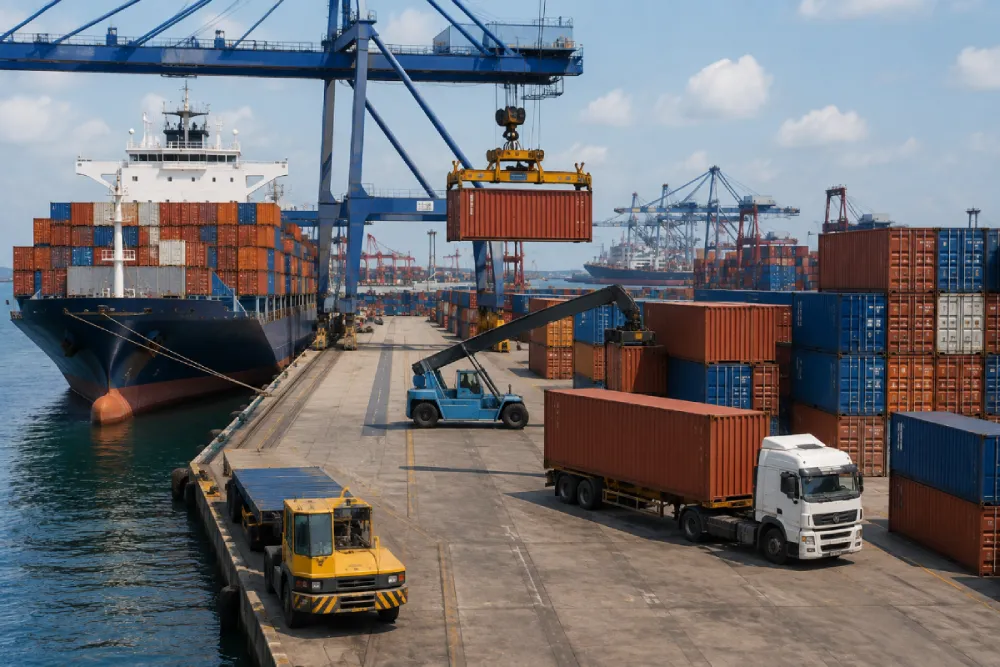
اکنون که با مفهوم اولیه آشنا شدیم، باید به سراغ کراس استافینگ (Cross-stuffing) برویم تا تفاوت‌ها آشکار شود. برخلاف ترانشیپمنت که در آن کانتینر دست‌نخورده جابجا می‌شود، در کراس استافینگ محتویات کانتینر به طور کامل تخلیه شده و به یک کانتینر کاملا جدید با شماره شناسایی و پلمپ متفاوت منتقل می‌شود. این کار معمولا در ایستگاه‌های باربری کانتینری (CFS) در محوطه بنادر و با استفاده از لیفتراک و کارگران متخصص انجام می‌گیرد. بنابراین، تفاوت اصلی در “باز شدن درب کانتینر و جابجایی فیزیکی کالاها” است.

چه زمانی کراس استافینگ جایگزین ترانشیپمنت می‌شود؟

با وجود اینکه ترانشیپمنت روشی بسیار ایمن‌تر و سریع‌تر به نظر می‌رسد، اما گاهی اوقات تجار مجبور به استفاده از کراس استافینگ می‌شوند. این شرایط معمولا زمانی رخ می‌دهد که کانتینر متعلق به یک خط کشتیرانی خاص است که اجازه ورود به بندر مقصد را ندارد (مثلا به دلایل تحریم‌های بین‌المللی یا محدودیت‌های تجاری منطقه‌ای). از آنجا که خط کشتیرانی اول اجازه نمی‌دهد کانتینر او توسط کشتی شرکت دیگری به مقصد برود، بازرگان مجبور است بار را در یک بندر واسطه تخلیه کرده و درون کانتینر شرکت کشتیرانی دوم (که مجاز به ورود به مقصد است) بارگیری کند.

مقایسه ریسک و خطرات عملیاتی

در مقایسه ریسک این دو روش، باید گفت که ترانشیپمنت بسیار کم‌خطرتر است. در کراس استافینگ، به دلیل باز شدن کانتینر و جابجایی دستی یا ماشینی کالاها، خطر آسیب‌دیدگی کالا، مفقود شدن، یا برهم خوردن چیدمان استاندارد و توزیع وزن در کانتینر جدید وجود دارد. به همین دلیل است که انجام کراس استافینگ نیازمند نظارت دقیق بازرسان و انتخاب یک مجموعه لجستیکی بسیار حرفه‌ای است تا خسارتی به سرمایه تاجر وارد نشود.

مقایسه زمان و هزینه‌ها در عملیات بندری

یکی از مهم‌ترین فاکتورها برای هر تاجر، مدیریت هزینه‌ها و زمان رسیدن کالا به مقصد است. سرعت گردش سرمایه نقش مستقیمی در سودآوری کسب‌وکارها دارد.

تحلیل هزینه‌های ترانشیپمنت

هزینه‌های مربوط به ترانشیپمنت معمولا از قبل در کرایه حمل (Freight) که توسط خط کشتیرانی اعلام می‌شود، محاسبه شده است. در واقع، زمانی که شما بارنامه سراسری (Through Bill of Lading) دریافت می‌کنید، خط کشتیرانی موظف است کالا را از مبدأ تحویل گرفته و در مقصد نهایی تحویل دهد؛ بنابراین هزینه‌های تخلیه از کشتی اول و بارگیری به کشتی دوم در بندر واسطه بر عهده خود خط کشتیرانی است (مگر در موارد خاص و قراردادهای متفاوت). این امر باعث می‌شود بودجه‌بندی هزینه‌های حمل و نقل دریایی برای تاجر بسیار شفاف‌تر و قابل پیش‌بینی‌تر باشد.

بررسی هزینه‌های پنهان کراس استافینگ

از سوی دیگر، کراس استافینگ هزینه‌های جانبی و گاهی پنهان متعددی دارد. هزینه باز کردن پلمپ، دستمزد کارگران و تجهیزات بندری برای تخلیه بار، هزینه انبارداری موقت در صورت عدم هماهنگی زمان ورود کشتی دوم، هزینه بارگیری مجدد کالا در کانتینر جدید، و هزینه پلمپ مجدد، همگی بر عهده صاحب کالا خواهد بود. علاوه بر این، فرایند هماهنگی اسناد گمرکی در بندر واسطه برای کراس استافینگ زمان‌بر است که می‌تواند منجر به هزینه‌های دموراژ (جریمه دیرکرد عودت کانتینر) برای کانتینر اول شود. از این رو، هر جا که امکان‌پذیر باشد، تاجران هوشمند ترانشیپمنت را به لحاظ اقتصادی ترجیح می‌دهند.

ترانشیپمنت

نقش شرکت‌های لجستیکی در مدیریت بهینه محموله‌ها

انتخاب روش درست برای انتقال کالا در بنادر واسطه، نیازمند تجربه، دانش حقوقی تجارت بین‌الملل و آشنایی با زیرساخت‌های بنادر جهانی است. یک اشتباه کوچک در صدور بارنامه یا هماهنگی کشتی‌ها می‌تواند خسارات جبران‌ناپذیری به بار آورد.

اهمیت همکاری با یک شرکت حمل و نقل بین المللی معتبر

بازرگانان برای رهایی از پیچیدگی‌های فنی و گمرکی، نیازمند یک بازوی اجرایی قدرتمند هستند. یک شرکت حمل و نقل بین المللی حرفه‌ای با در اختیار داشتن شبکه‌ای گسترده از نمایندگان در بنادر کلیدی جهان، می‌تواند بهترین مسیرها را برای کالا طراحی کند. این شرکت‌ها با تحلیل شرایط محموله، مقررات مقصد و بودجه مشتری، تعیین می‌کنند که آیا محموله باید به صورت مستقیم حمل شود، یا از طریق ترانشیپمنت مسیر را طی کند، و یا به دلیل موانع قانونی نیازمند کراس استافینگ است.

راه‌حل‌های اختصاصی شرکت حمل و نقل آپادانا

در این راستا، شرکت حمل و نقل آپادانا با سال‌ها تجربه درخشان در زمینه لجستیک ترکیبی، ایمن‌ترین و سریع‌ترین مسیرها را برای بازرگانان ایرانی و خارجی فراهم می‌کند. تخصص ویژه شرکت حمل و نقل آپادانا در مدیریت عملیات پیچیده بندری، باعث شده تا مشتریان این شرکت کمترین میزان تاخیر را در دریافت کالاهای خود تجربه کنند. کارشناسان خبره این مجموعه، پیش از آغاز مسیر، تمامی سناریوهای احتمالی را بررسی کرده و با ارائه کامل‌ترین خدمات ترانزیت، دغدغه‌های مربوط به تغییر کشتی، هماهنگی کانتینرها و اسناد گمرکی در بنادر واسطه را به طور کامل برطرف می‌سازند. با اتکا به دانش شرکت حمل و نقل آپادانا، محموله شما در بالاترین سطح امنیت، چه از طریق ترانشیپمنت و چه روش‌های دیگر، به مقصد خواهد رسید.

تاثیر اسناد تجاری و گمرکی در انتخاب مسیر

تفاوت‌های اسنادی و گمرکی بخش دیگری از تمایزات این دو روش است که اهمیت حقوقی بالایی دارد.

بارنامه در عملیات ترانشیپمنت

در فرایند ترانشیپمنت، معمولا یک بارنامه سراسری (Through B/L) از مبدأ تا مقصد نهایی صادر می‌شود. در این بارنامه، نام بندر مبدأ، بندر مقصد نهایی و همچنین نام بندر واسطه‌ای که قرار است کانتینر در آنجا بین دو کشتی جابجا شود (Port of Transshipment) به وضوح قید می‌گردد. این یکپارچگی اسنادی، روند ترخیص کالا در گمرک مقصد را بسیار تسهیل می‌کند و بانک‌ها نیز برای اعتبارات اسنادی (LC) به راحتی این نوع بارنامه‌ها را می‌پذیرند، زیرا مسئولیت کالا از ابتدا تا انتها بر عهده یک کریر (حمل‌کننده) مشخص است.

پیچیدگی‌های اسنادی در کراس استافینگ

اما در کراس استافینگ، از آنجا که کالا از یک کانتینر به کانتینر دیگر (و معمولا از یک خط کشتیرانی به خط دیگر) منتقل می‌شود، معمولا نیاز به صدور بارنامه جدید در بندر واسطه (Switch Bill of Lading) است. این موضوع به معنای تغییر شماره کانتینر و شماره پلمپ در اسناد تجاری است. مدیریت این اسناد نیازمند دقت بالا و آگاهی از قوانین گمرکی است، چرا که هرگونه مغایرت بین اسناد اولیه و ثانویه می‌تواند منجر به توقیف کالا یا طولانی شدن پروسه ترخیص از طریق خدمات ترانزیت گردد.

نتیجه‌گیری

صنعت تجارت جهانی نیازمند پویایی و انعطاف‌پذیری است. درک درست از تفاوت‌های میان ترانشیپمنت و کراس استافینگ به بازرگانان اجازه می‌دهد تا در شرایط بحرانی، بهترین تصمیم را اتخاذ کنند. در حالی که ترانشیپمنت با حفظ پلمپ کانتینر، روشی ایمن، سریع و مقرون‌به‌صرفه برای غلبه بر محدودیت‌های ناوگان و عمق بنادر است، کراس استافینگ نیز به عنوان راهکاری برای دور زدن محدودیت‌های شرکتی و تحریم‌ها، جایگاه خود را دارد. موفقیت در این مسیر پر چالش، تنها با همراهی یک تیم لجستیکی قدرتمند مانند شرکت حمل و نقل آپادانا امکان‌پذیر است تا با ارائه خدمات ترانزیت حرفه‌ای و مدیریت بی‌نقص حمل و نقل دریایی، تضمین‌کننده رشد و پایداری کسب‌وکار شما در بازارهای بین‌المللی باشد.

ترانشیپمنت

سوالات متداول درباره ترانشیپمنت و حمل ترکیبی

آیا در فرایند ترانشیپمنت احتمال گم شدن کالا وجود دارد؟

از آنجا که در این فرایند درب کانتینر به هیچ وجه باز نمی‌شود و کالا با همان پلمپ مبدأ به کشتی دوم منتقل می‌شود، خطر مفقود شدن کالا یا کسری بار در طول مسیر عملا صفر است. تنها در موارد بسیار نادر بروز حوادث فاجعه‌بار دریایی ممکن است برای کل کانتینر مشکلی ایجاد شود که آن هم تحت پوشش بیمه قرار می‌گیرد.

هزینه عملیات ترانشیپمنت بر عهده چه کسی است؟

در اکثر مواقع، زمانی که بارنامه سراسری از مبدأ تا مقصد نهایی صادر می‌شود، هزینه جابجایی کانتینر در بندر واسطه (ترانشیپمنت) بر عهده خط کشتیرانی است و از قبل روی کرایه حمل کلی محاسبه شده است، بنابراین صاحب کالا هزینه پنهان و غیرمترقبه‌ای پرداخت نخواهد کرد.

ترانشیپمنت چقدر به زمان سفر کالا اضافه می‌کند؟

زمان توقف در بندر واسطه بستگی به ترافیک بندر و برنامه‌ریزی خطوط کشتیرانی برای رسیدن کشتی فیدر (کشتی دوم) دارد. این توقف می‌تواند از یک الی دو روز تا یک هفته متغیر باشد. با این حال، به دلیل اینکه این فرایند جزو روتین شرکت‌های کشتیرانی است، معمولا زمان‌بندی دقیقی برای آن وجود دارد که مانع از تاخیرهای طولانی می‌شود.

آیا کالا در حین ترانشیپمنت در گمرک بندر واسطه بازرسی می‌شود؟

خیر. محموله‌هایی که تحت عنوان ترانشیپ وارد یک بندر می‌شوند، در منطقه ویژه ترانزیتی بندر قرار می‌گیرند و وارد قلمرو گمرکی کشور واسطه نمی‌شوند. بنابراین هیچگونه بازرسی فیزیکی، پرداخت عوارض ورودی یا تشریفات ترخیص کالا در بندر واسطه انجام نمی‌گیرد که این امر به سرعت انتقال محموله کمک شایانی می‌کند.

دیدگاهتان را بنویسید

نشانی ایمیل شما منتشر نخواهد شد. بخش‌های موردنیاز علامت‌گذاری شده‌اند *

What is Transshipment Cargo and How Does it Work?

To properly understand the differences, we must first establish a precise definition of each operational procedure. Transshipment literally refers to the process of transferring goods from one mode of transport or vessel to another during the course of a journey, without the goods ever leaving their original loading unit (such as a shipping container). In the expansive industry of sea transport, this process occurs when a container is loaded and customs-sealed at the port of origin, then offloaded at an intermediate hub port, and immediately loaded—with its original seal completely intact—onto a second vessel to continue its voyage to the final destination. In this scenario, the internal contents of the container are never touched, and the box remains structurally uncompromised.

Transshipment cargo

The Strategic Importance of Transshipment Cargo Routing

One might ask, why isn’t the cargo shipped directly on a single vessel from the very beginning? There are numerous strategic reasons for utilizing Transshipment cargo operations. Firstly, many destination ports worldwide suffer from shallow drafts or lack the heavy infrastructural cranes required to dock and service gigantic ocean-going vessels (megaships). In these situations, megaships discharge thousands of containers at massive intermediate hub ports (like Jebel Ali, Singapore, or Rotterdam). Subsequently, smaller feeder vessels collect this Transshipment cargo and distribute it to smaller destination ports. The second reason lies in the optimization of shipping line networks. To minimize operational costs, carriers limit direct, long-haul routes and instead employ a Hub-and-Spoke model, which fundamentally relies on transshipment efficiency.

Cargo Security During Transshipment Operations

One of the most pressing concerns for international traders is maintaining the safety and integrity of their goods over long oceanic voyages. Because the customs seal is never broken during a Transshipment cargo transfer, and no human hands directly interact with the cargo inside the box, the security of the commodities is maintained at the absolute highest level. The risk of theft, physical damage caused by rough manual handling of cartons or pallets, and exposure to harsh weather conditions (like rain or extreme humidity during unloading) is virtually reduced to zero.

Understanding Cross-Stuffing vs. Transshipment

Now that we have firmly grasped the initial concept, we must examine cross-stuffing to reveal the stark contrasts. Unlike handling Transshipment cargo, where the container is moved as a single untouched unit, cross-stuffing dictates that the physical contents of the origin container are completely unloaded and repacked into an entirely new container, which will receive a new identification number and a fresh customs seal. This intensive labor typically takes place at Container Freight Stations (CFS) within port zones, utilizing specialized machinery like heavy forklifts and trained stevedores. Thus, the primary difference lies in the “breaking of the seal and the physical handling of the goods.“

When is Cross-Stuffing Chosen Over Transshipment?

Even though routing Transshipment cargo is significantly safer and faster, merchants are occasionally forced to opt for cross-stuffing. This situation most frequently arises when the container belongs to a specific shipping line that is legally or politically restricted from entering the destination port (due to international sanctions or regional trade embargoes). Because the initial carrier will not permit its proprietary container to be transported by a competitor’s vessel to the final destination, the trader must discharge the cargo at an intermediate port and cross-stuff it into a container owned by a second, unrestricted shipping line.

Comparing Risks and Operational Hazards

When comparing the risk profiles of both methods, Transshipment cargo handling emerges as the far less hazardous option. In cross-stuffing, due to the opening of the container and the manual or mechanical transferring of goods, there is an inherent risk of physical damage, misplaced items, or an unbalanced weight distribution in the newly packed container. Consequently, executing a cross-stuffing operation requires the stringent oversight of cargo inspectors and the selection of a highly professional logistics partner to ensure the merchant’s capital is not compromised.

Cost and Time Comparison in Port Operations

For any international trader, effectively managing logistics costs and lead times is paramount. The velocity of capital turnover plays a direct role in the profitability and survival of global enterprises.

Operational Cost Analysis of Transshipment Cargo

The expenses associated with Transshipment cargo movements are generally calculated upfront and included in the total ocean freight rate quoted by the shipping line. In essence, when a merchant receives a Through Bill of Lading, the carrier takes full responsibility for receiving the cargo at origin and delivering it to the final destination. Therefore, the stevedoring costs of discharging from the first vessel and loading onto the second vessel at the intermediate hub are absorbed by the carrier (barring exceptional contractual clauses). This transparency makes financial budgeting for sea transport highly predictable for the business owner.

Uncovering the Hidden Costs of Cross-Stuffing

Conversely, cross-stuffing introduces multiple additional and often hidden logistical expenses. Fees for breaking the seal, labor and heavy machinery for unloading, temporary warehousing if the second vessel is delayed, reloading the cargo, and applying a new customs seal are all billed directly to the cargo owner. Furthermore, coordinating new customs documentation at the intermediate port for cross-stuffing is time-consuming, which drastically increases the risk of incurring severe demurrage charges (late container return fees) for the origin container. For these reasons, smart traders economically prefer Transshipment cargo operations whenever feasible.

The Role of Logistics Partners in Optimizing Cargo Flow

Selecting the appropriate routing methodology at transit ports requires deep industry experience, a strong grasp of international trade law, and intimate familiarity with global port infrastructures. A single documentary error or misaligned vessel schedule can lead to catastrophic financial losses.

Why Choose a Reliable International Transport Company?

To escape the labyrinth of technical and customs complexities, merchants require a robust executive partner. A highly professional international transport company, equipped with an extensive network of agents across major global ports, can engineer the most optimal routes for the cargo. By analyzing the cargo’s nature, destination regulations, and the client’s budget, these firms determine whether a shipment should proceed directly, utilize Transshipment cargo hubs, or undergo cross-stuffing due to legal blockades.

Specialized Solutions by Apadana Transport Company

In this critical arena, the Apadana transport company, backed by years of stellar experience in multimodal logistics, provides the safest and swiftest routing solutions for domestic and international traders alike. The unique expertise of the Apadana transport company in managing highly complex port operations ensures that clients experience absolute minimal delays in receiving their commodities. The elite specialists at this organization evaluate every potential scenario before the journey begins. By offering comprehensive transit services, they entirely eliminate the headaches associated with vessel switches, container coordination, and intermediary customs documentation. Relying on the deep industry knowledge of the Apadana transport company, your shipment will reach its final destination with elite-level security, whether via Transshipment cargo networks or alternative strategies.

ترانشیپمنت

The Impact of Commercial and Customs Documentation

Documentary and customs discrepancies form another crucial layer of distinction between these two logistical methods, carrying significant legal weight in global trade.

The Bill of Lading in Transshipment Operations

During Transshipment cargo operations, a Through Bill of Lading (Through B/L) is typically issued from the port of loading straight to the final port of discharge. This document explicitly states the origin, the final destination, and the specific Port of Transshipment where the container will jump between vessels. This documentary unity vastly simplifies the final customs clearance process. Furthermore, international banks readily accept these documents for Letters of Credit (LC) because the cargo liability remains continuously under the jurisdiction of a single, identifiable carrier from start to finish.

Documentary Complexities in Cross-Stuffing

However, during cross-stuffing, because the physical goods are transferred to a new container (and usually a new shipping line), a Switch Bill of Lading must often be issued at the intermediate port. This directly translates to altering the container number and seal number on official commercial documents. Managing this paperwork demands extreme precision and deep knowledge of customs legislature, as any discrepancy between the initial and secondary documents can result in cargo seizure or severely prolonged clearance delays, hindering smooth transit services.

Conclusion

The global trade industry demands constant dynamism and adaptability. Possessing a solid understanding of the differences between routing Transshipment cargo and executing cross-stuffing empowers merchants to make the best possible decisions during critical logistical bottlenecks. While handling Transshipment cargo—with its sealed, untouched containers—remains the safest, fastest, and most cost-effective method to overcome vessel limitations and port drafts, cross-stuffing retains its vital place as a strategic tool to bypass corporate restrictions and geopolitical embargoes. Succeeding in this challenging landscape is only achievable by partnering with a formidable logistics team like the Apadana transport company. By delivering top-tier transit services and flawless management of sea transport operations, they guarantee the sustained growth and stability of your business in the competitive international market.

ترانشیپمنت

Frequently Asked Questions About Transshipment Cargo

Is there a risk of cargo going missing during transshipment?

Because the container doors are never opened during this process, and the cargo is transferred to the second vessel under its original origin seal, the risk of cargo going missing, being pilfered, or facing inventory shortages mid-journey is practically zero. Only in the highly rare event of a catastrophic maritime disaster would the entire container be compromised, a scenario fully covered by marine insurance.

Who bears the operational costs of transshipment?

In the vast majority of cases, when a Through Bill of Lading is issued covering the origin to the final destination, the cost of moving the container at the intermediate hub (the transshipment cost) is the responsibility of the shipping line. It is pre-calculated into the total ocean freight rate, meaning the cargo owner will not face sudden, hidden handling fees at the hub.

How much time does transshipment add to the total voyage?

The dwell time at the intermediate hub port depends entirely on port congestion and the scheduling alignment of the feeder vessel (the second ship). This waiting period can range from just one or two days up to a full week. However, because routing Transshipment cargo is a standard, heavily optimized routine for major shipping lines, precise schedules are usually strictly maintained to prevent long, costly delays.

Is the cargo physically inspected by customs at the transshipment port?

No. Shipments that enter a hub port strictly for transshipment purposes are held in designated secure transit zones and do not officially enter the customs territory of the intermediary country. Consequently, there are no physical customs inspections, no import duties levied, and no clearance formalities required at the hub port, a factor that greatly accelerates the cargo’s journey.

دیدگاهتان را بنویسید

نشانی ایمیل شما منتشر نخواهد شد. بخش‌های موردنیاز علامت‌گذاری شده‌اند *