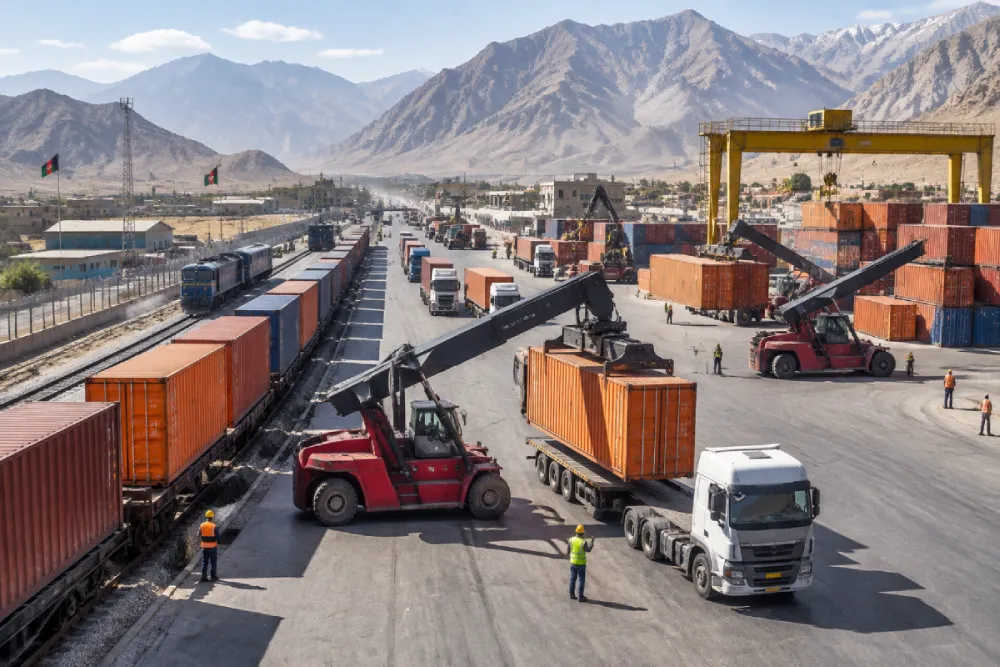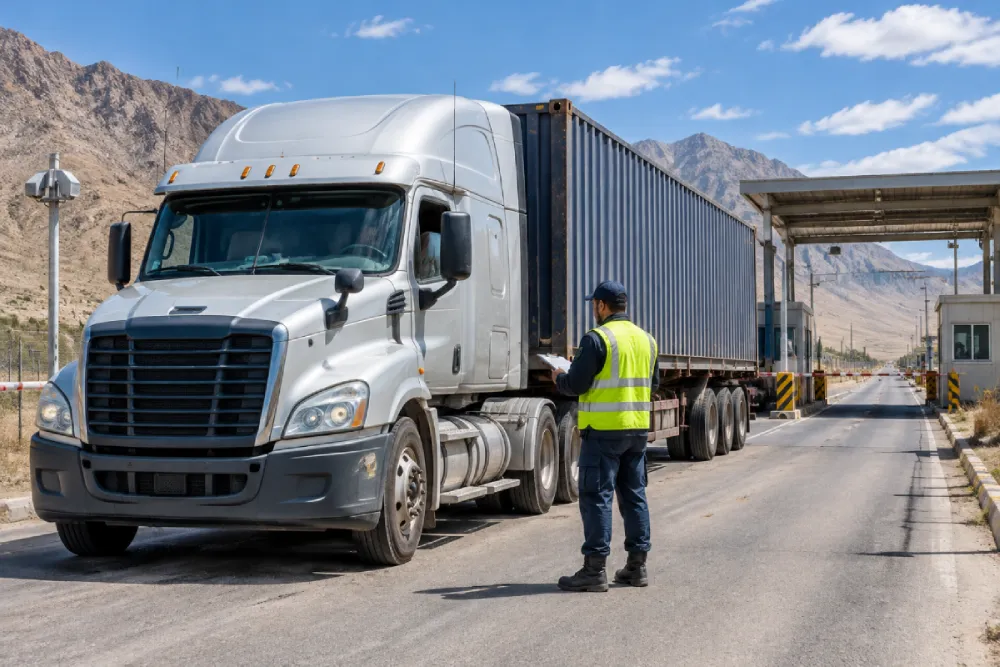
افغانستان به عنوان یک کشور محصور در خشکی، برای برقراری ارتباط با بازارهای جهانی به شدت به زیرساخت‌های کشورهای همسایه وابسته است. در این میان، ایران با داشتن مرزهای طولانی و دسترسی به آب‌های آزاد، نقشی حیاتی در تأمین نیازهای لجستیکی این کشور ایفا می‌کند.

برای تجار و بازرگانانی که قصد دارند کالاها را از طریق مرزهای ایران به افغانستان ارسال کنند، شناخت دقیق مسیرها، قوانین گمرکی و چالش‌های این مسیر، تفاوتی اساسی میان یک تجارت سودآور و یک تجربه پرهزینه رقم می‌زند.

Transit to Afghanistan

جایگاه استراتژیک ایران در ترانزیت به افغانستان

ایران به دلیل موقعیت جغرافیایی خود، دروازه اصلی ورود کالا به افغانستان محسوب می‌شود. بنادر جنوبی ایران، به ویژه بندر چابهار، نقشی بی‌بدیل در دسترسی کالاهای ترانزیتی به افغانستان دارند. این مسیر نه تنها هزینه‌های حمل‌ونقل را کاهش می‌دهد، بلکه سرعت انتقال کالا را در مقایسه با مسیرهای جایگزین به طرز چشمگیری افزایش داده است. زمانی که صحبت از خدمات ترانزیت به میان می‌آید، ترکیب هوشمندانه حمل‌ونقل جاده‌ای و ریلی می‌تواند گلوگاه‌های لجستیکی را برطرف کند.

بررسی مسیرهای کلیدی حمل و نقل به افغانستان

انتخاب مسیر مناسب بستگی به نوع کالا، مبدأ بارگیری و فوریت زمان تحویل دارد. در حال حاضر چندین مسیر اصلی برای صادرات و ترانزیت فعال هستند:

۱. مسیر ریلی و جاده‌ای از بنادر جنوبی (چابهار و بندرعباس)

این مسیرها برای کالاهای با حجم بالا و محموله‌هایی که از طریق دریایی وارد کشور می‌شوند، ایده‌آل هستند. استفاده از ظرفیت‌های حمل و نقل ریلی تا نقاط اتصال نزدیک به مرز افغانستان، هزینه‌ها را به شکل محسوسی کنترل می‌کند. پس از رسیدن بار به مقاصد ریلی، ترانزیت زمینی وارد عمل شده و بار را به گمرکات مرزی می‌رساند.

۲. مرزهای زمینی (دوغارون و میلک)

مرز دوغارون در خراسان رضوی و مرز میلک در سیستان و بلوچستان، دو نقطه حیاتی برای انتقال کالا هستند. اکثر شرکت‌های فعال در حوزه لجستیک، به دلیل حجم بالای تردد، این مسیرها را در اولویت حمل و نقل زمینی قرار می‌دهند.

ترانزیت به افغانستان

چالش‌های اصلی در ترانزیت به افغانستان

هرچند تقاضا برای صادرات به افغانستان بالاست، اما این مسیر بدون چالش نیست. شناخت این موارد به شما کمک می‌کند تا با آمادگی بیشتری اقدام کنید:


چرا انتخاب یک شریک لجستیکی معتبر اهمیت دارد؟

مدیریت زنجیره تأمین در کشورهای همسایه که سیستم اداری پیچیده‌ای دارند، نیازمند تجربه میدانی است. شرکت حمل و نقل آپادانا با شناخت دقیق از فرآیندهای گمرکی و چالش‌های مسیر، بستری مطمئن را برای تجار فراهم کرده است. تکیه بر خدمات یک تیم متخصص باعث می‌شود ریسک‌های مربوط به تخلیه و بارگیری، اسناد گمرکی و هماهنگی‌های مرزی به حداقل برسد.

استفاده از خدمات یکپارچه توسط شرکت حمل و نقل آپادانا، امکان بهره‌گیری همزمان از پتانسیل‌های حمل دریایی، ریلی و جاده‌ای را فراهم می‌کند تا کالا در کوتاه‌ترین زمان و با کمترین هزینه به مقصد برسد.
ترانزیت به افغانستان

سوالات متداول


بهترین مرز برای ترانزیت کالا به افغانستان کدام است؟

انتخاب مرز بستگی به مبدأ کالا دارد. برای کالاهایی که از جنوب ایران وارد می‌شوند، مرز میلک و برای کالاهایی که از مرکز یا شمال ایران حمل می‌شوند، مرز دوغارون به دلیل زیرساخت‌های جاده‌ای مناسب‌تر هستند.

آیا حمل‌ونقل ریلی به افغانستان فعال است؟

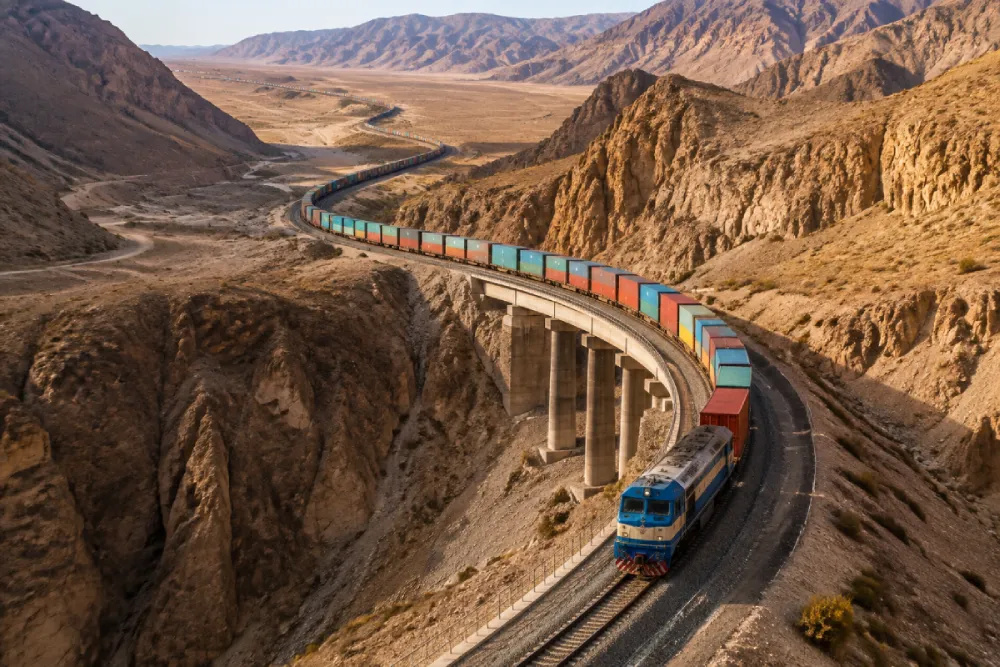
بله، مسیر ریلی خواف-هرات بخش مهمی از شبکه اتصال ریلی است، اما در حال حاضر ترکیبی از حمل ریلی و جاده‌ای در اکثر مسیرها برای بهینه‌سازی هزینه‌ها پیشنهاد می‌شود.

چه نکاتی برای کاهش ریسک در ترانزیت به افغانستان مهم است؟

داشتن بیمه معتبر باربری، تنظیم دقیق اسناد صادراتی (پروفرما و پکینگ لیست) و همکاری با شرکت‌های حمل‌ونقل باسابقه که در مرزها نمایندگی فعال دارند، از مهم‌ترین نکات است.

دیدگاهتان را بنویسید

نشانی ایمیل شما منتشر نخواهد شد. بخش‌های موردنیاز علامت‌گذاری شده‌اند *

Afghanistan is a landlocked nation, which inherently makes it dependent on the efficiency of neighboring countries for global market access. For international businesses, navigating the logistical landscape between Iran and Afghanistan is a strategic exercise in risk management and operational precision. If you are looking to streamline your supply chain, understanding the complexities of Transit to Afghanistan is the first step toward avoiding costly delays.

Transit to Afghanistan

Strategic Logistics: Why Iran is the Gateway

Given its extensive coastline and well-developed transit corridors, Iran serves as the primary gateway for goods heading to Afghanistan. Whether moving cargo from the Persian Gulf or via overland routes, businesses rely on a hybrid approach to ensure speed and cost-effectiveness. Utilizing professional Transit Services is not just about moving cargo; it’s about navigating the nuances of multi-modal transportation, including the synergy between sea, rail, and road.

Analyzing the Major Transit Corridors

Choosing the right corridor can drastically impact your lead times. The transit infrastructure is evolving, and modern logistics strategies now often combine different modes of transport:

1. The Southern Gateway: Chahbahar and Bandar Abbas

For high-volume cargo arriving by sea, the southern ports are the primary entry points. By leveraging Rail Transportation infrastructure, companies can move large quantities of goods inland with significant cost savings. From these railheads, the cargo is transferred to road networks, bridging the final distance to the Afghan border.

2. The Overland Arteries: Dogharun and Milak

Border terminals like Dogharun and Milak are the lifeblood of bilateral trade. While Road Transportation remains the most flexible option, it is also the most sensitive to border congestion. Experienced logistics operators understand how to coordinate pre-arrival documentation to mitigate wait times at these critical hubs.

ترانزیت به افغانستان

Common Logistics Challenges

Despite the robust demand, the route is not without hurdles. Successfully managing the route requires foresight:


Why Expertise Matters: The Apadana Advantage

Efficiency in logistics is rarely about the mode of transport alone; it is about the coordination behind the scenes. Apadana Transportation Company specializes in bridging these gaps, providing seamless logistics solutions that adapt to the shifting needs of the market. Whether it is managing the documentation for Road Transportation or optimizing a Rail Transportation route to the border, having a dedicated partner changes the equation.

By choosing Apadana Transportation Company, you gain access to a network designed to minimize transit risks. Their deep understanding of both Iranian and Afghan transit protocols allows for a smoother flow of goods, turning what could be a logistical nightmare into a predictable supply chain.

ترانزیت به افغانستان

Frequently Asked Questions


Which is the best border for transit to Afghanistan?

It depends on your origin and the nature of the cargo. Southern imports typically favor the Milak border, while cargo originating from central or northern Iran is best routed through Dogharun.

Is rail transport to Afghanistan currently viable?

Yes, the Khvaf-Herat railway line is a major development in cross-border connectivity. However, most companies currently prefer a multi-modal strategy, combining rail with road freight to optimize delivery costs.

How can I mitigate risks during transit?

Reliable cargo insurance, meticulous documentation (Pro-forma and Packing Lists), and partnering with an experienced logistics firm that maintains a physical presence at border points are the essential pillars of risk management.

دیدگاهتان را بنویسید

نشانی ایمیل شما منتشر نخواهد شد. بخش‌های موردنیاز علامت‌گذاری شده‌اند *