
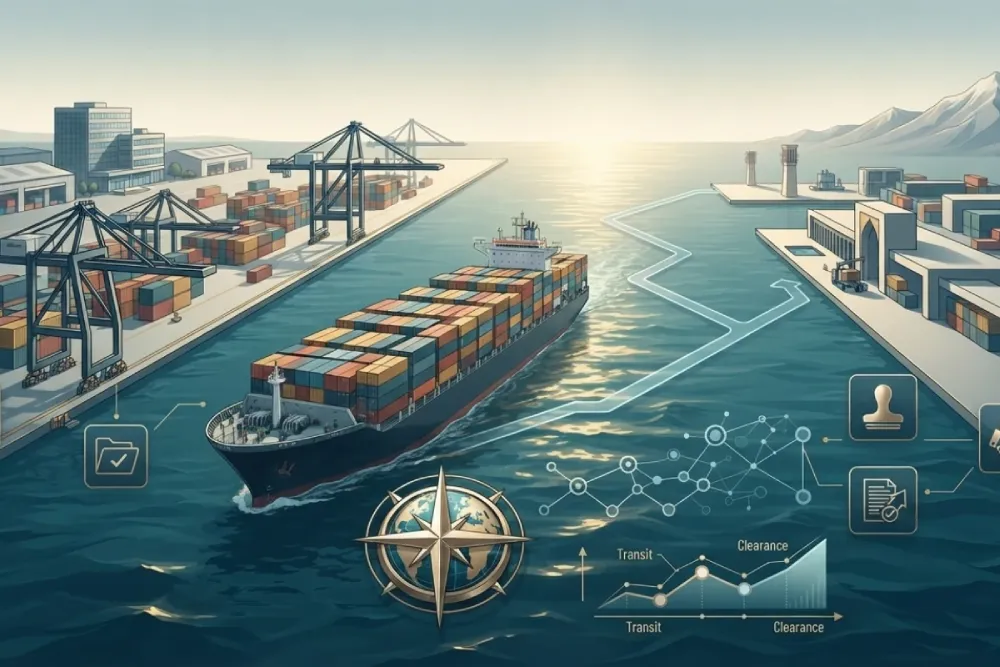
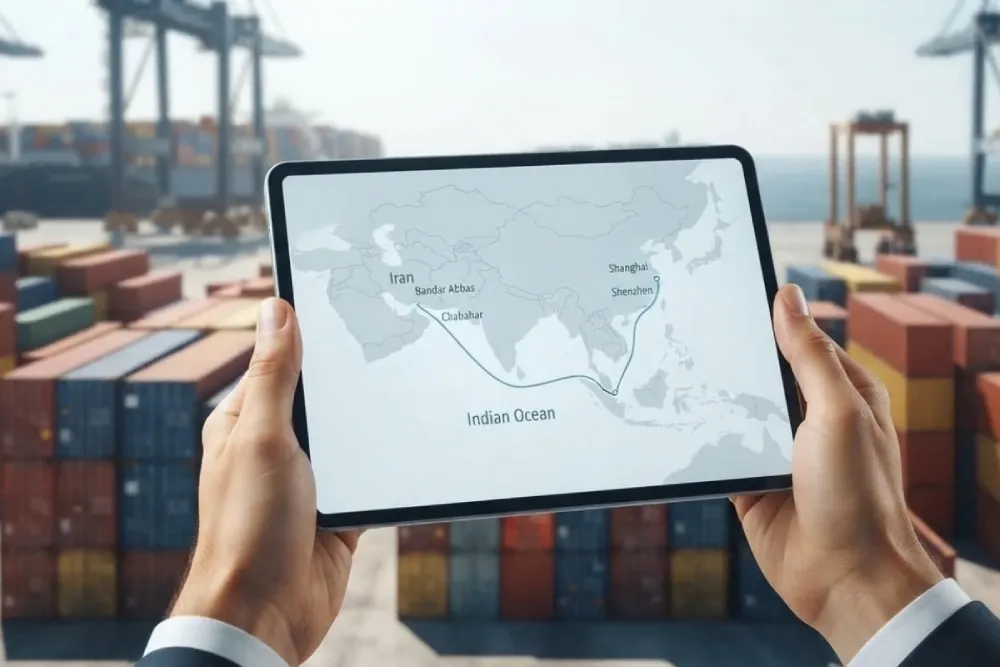
تأمین کالا از کارخانهها و بازارهای مبدأ در شرق آسیا، همواره یکی از جذابترین و در عین حال چالشبرانگیزترین مسیرهای تجاری برای بازرگانان ایرانی بوده است. در این میان، بخش عمدهای از زنجیره تجارت خارجی میان دو کشور بر دوش خطوط کشتیرانی قرار دارد؛ مسیری که از بنادر شلوغ شنزن، نینگبو، شانگهای و کینگدائو آغاز میشود و پس از طی هزاران مایل دریایی، در اسکلههای جنوب ایران پهلو میگیرد. مدیریت درست این فرآیند، تفاوت میان یک تجارت پرسود و یک تجربه پرهزینه همراه با دموراژهای سنگین و توقف در گمرک را رقم میزند.
انتخاب روش مناسب باربری دریایی، شناخت اسناد بازرگانی، آشنایی با اصطلاحات اینکوترمز و انتخاب شرکت فورواردر قابل اعتماد، ارکان اصلی موفقیت در این زنجیره هستند. در ادامه، جزئیات تخصصی و تجربیات میدانی مسیرهای دریایی، انواع روشهای کانتینری، هزینهها، چالشهای گمرکی و راهحلهای لجستیکی را بررسی میکنیم تا تصویر کاملی از فرایند ورود کالا از مبدأ تا ترخیص نهایی پیش رو داشته باشید.
چرا حمل دریایی گزینه اول واردات از چین است؟
وقتی حجم سفارشها از چند کارتن فراتر میرود و وزن کالا به چند صد کیلوگرم یا چندین تن میرسد، گزینههای هوایی به دلیل کرایههای بالا توجیه اقتصادی خود را از دست میدهند. در چنین شرایطی، حمل بار از چین به شکل دریایی، تعادلی منطقی میان هزینه و حجم بار ایجاد میکند.
مزیتهای اصلی این روش عبارتند از:
- صرفه اقتصادی در تناژ و حجم بالا: هزینه هر واحد کالا (CBM) در مسیرهای دریایی چندین برابر کمتر از گزینههای دیگر تمام میشود.
- تنوع تجهیزات بارگیری: امکان حمل انواع بارهای فله (Bulk)، ماشینآلات سنگین، مواد شیمیایی، قطعات صنعتی و کالاهای فاسدشدنی با کانتینرهای مخصوص.
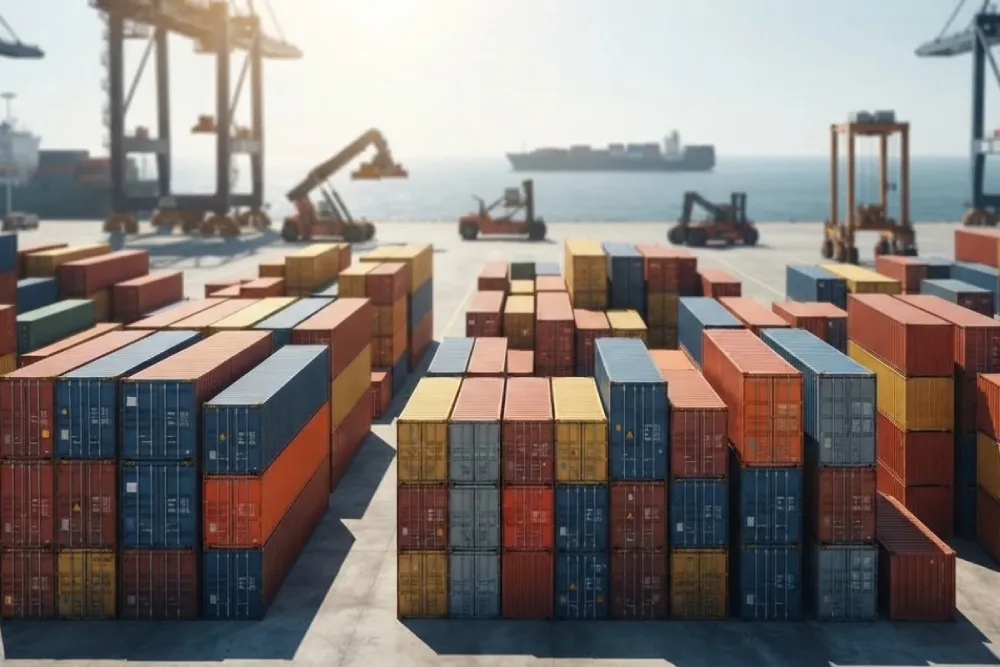
- ایمنی بالای جابهجایی استاندارد: سیستمهای بارشماری و باربندی اصولی در پایگاههای کانتینری ریسک شکستگی یا آسیب دیدگی فیزیکی محموله را به حداقل میرساند.
در پروژههای صنعتی خاص که کالا باید پس از ورود به کشور به مقاصد همسایه در حوزه CIS یا ترکیه منتقل شود، بار پس از تخلیه روی بستر خدمات ترانزیت قرار میگیرد و با هماهنگی گمرکی دقیق به مقاصد ثانویه هدایت میشود.
بنادر اصلی مبدأ در چین و مقاصد ورودی به ایران
چین پهناورترین شبکه بنادر کانتینری جهان را در اختیار دارد و انتخاب بندر خروجی صحیح مستقیماً به موقعیت کارخانه فروشنده و زمان حمل بستگی دارد.
بنادر کلیدی چین برای خروج بار
- شانگهای (Shanghai) و نینگبو (Ningbo): قطب اصلی خروج تجهیزات صنعتی، ابزارآلات، الیاف نساجی و قطعات خودرو تولیدشده در استانهای شرقی و حوزه دلتای یانگ تسه.
- شنزن (Shenzhen) و گوانگژو (Guangzhou): ایدهآل برای محمولههای الکترونیک، گجتها، لوازم خانگی و قطعات سختافزاری تولیدشده در جنوب چین (استان گوانگدونگ).
- کینگدائو (Qingdao) و تیانجین (Tianjin): مناسب برای صنایع سنگین، مواد شیمیایی، لاستیک و تجهیزات مستقر در مناطق صنعتی شمال چین.
بنادر ورودی در ایران
- بندر شهید رجایی (بندرعباس): بندرگاه اصلی کشور که بیش از ۸۰ درصد ترافیک کانتینری ایران را پذیرش میکند و به خطوط ریلی و جادهای سراسری متصل است.
- بندر بوشهر و بندر خرمشهر: بیشتر برای بارهای متمرکز بر لنجها، شناورهای فیدری یا رویههای خاص تجاری و تهلنجی به کار گرفته میشوند.
- بندر چابهار (شهید بهشتی): دروازهای اقیانوسی که برای مقاصد ترانزیتی به شرق کشور و افغانستان کاربرد فزاینده دارد.
مقایسه روشهای FCL و LCL؛ کدام شیوه مناسب بار شماست؟
یکی از مهمترین تصمیمها هنگام ثبت سفارش کانتینر، انتخاب بین کانتینر اختصاصی (FCL) و بار خرد اشتراکی (LCL) است:
۱. کانتینر دربست (FCL – Full Container Load)
اگر حجم بار شما حداقل یک کانتینر ۲۰ فوت (حدود ۲۸ تا ۳۰ متر مکعب) یا کانتینر ۴۰ فوت (حدود ۶۰ تا ۶۵ متر مکعب) را پر کند، استفاده از FCL بهینهترین گزینه است. در این شیوه:
- تمام کانتینر متعلق به یک صاحب بار و یک بارنامه (BL) است.
- ریسک اشتباه در تخلیه و تفکیک بار در بنادر به صفر میرسد.
- درب کانتینر در کارخانه پلمب شده و مستقیماً تا گمرک مقصد باز نمیشود.
۲. بار خرد اشتراکی (LCL – Less than Container Load)
اگر حجم کالای خریداریشده مثلاً بین ۱ تا ۱۵ متر مکعب باشد، اجاره یک کانتینر دربست توجیه ندارد. در این حالت، بار شما همراه با بارهای سایر بازرگانان در یک کانتینر مشترک تجمیع (Consolidation) میشود.
- پرداخت هزینه بر اساس CBM (متر مکعب) یا وزن ناخالص انجام میگیرد.
- مدت زمان رسیدن بار مقداری طولانیتر است، زیرا زمان صرف بارگیری و تفکیک بار در انبار (CFS) بندر مبدأ و مقصد خواهد شد.
مراحل گامبهگام از خرید تا تحویل بار در انبار
مدیریت زمان در واردات نیازمند شناخت گامهای عملیاتی زیر است:
تأیید پیشفاکتور (Proforma Invoice)
↓
ثبت سفارش در سامانه جامع تجارت و تخصیص ارز
↓
عقد قرارداد حمل با فورواردر و صدور بوکینگ (Booking)
↓
تحویل بار در کارخانه یا بندر و بازرسی کیفی (COI)
↓
بارگیری دریایی و دریافت بارنامه (Bill of Lading)
↓
ورود کشتی به بندرعباس و پرداخت ترخیصیه و دموراژ
↓
اظهار کالا در سامانه EPL و ترخیص نهایی
↓
حمل درونشهری به انبار خریدار
۱. تعیین اینکوترمز دقیق: حواستان به تفاوت قیمت بر مبنای FOB و EXW یا CIF باشد. در روش FOB، فروشنده کالا را تا روی عرشه در چین میرساند و از آن نقطه هزینهها بر عهده خریدار است.
۲. رزرو کانتینر و هماهنگی پیکاپ: پس از اعلام آمادگی بار (Cargo Ready Date)، فورواردر مراحل دریافت کانتینر خالی و بارگیری را تنظیم میکند.
۳. کنترل و صدور اسناد معتبر: بارنامه دریایی، سیاهه خرید (Invoice)، لیست عدلبندی (Packing List) و گواهی مبدأ (Certificate of Origin) باید تطابق کامل اطلاعاتی داشته باشند.
ترکیب روشهای حمل در پروژههای پیچیده لجستیکی
همه پروژهها با یک مسیر دریایی تکمرحلهای به پایان نمیرسند. در زنجیرههای بینالمللی توزیع، هماهنگی میان شاخههای مختلف باربری تعیینکننده هزینه نهایی است.
زمانی که محمولههای سنگین مواد اولیه یا ماشینآلات حجیم در بندرعباس تخلیه میشوند، اتصال به شبکه حمل و نقل ریلی در مقایسه با ناوگان جادهای میتواند به شکل چشمگیری در کاهش استهلاک، هزینه سوخت و مخاطرات جادهای برای مقاصد مرکزی و شمالی کشور مؤثر باشد. از سوی دیگر، برای جابهجایی سریع محمولههای خرد و توزیع در استانهای مختلف پس از ترخیص، تکیه بر حمل و نقل زمینی منظم با بارگیرهای چادری و ترانزیتی کفی، انعطاف بالایی به جریان کالا میبخشد.
یکپارچهسازی خدمات نیازمند ارتباط با یک شرکت حمل و نقل بین المللی باسابقه است که علاوه بر ساماندهی تخصصی در حوزه حمل و نقل دریایی، دسترسی مستقیم به خطوط کشتیرانی کانتینری و سرویسهای مستقیم و کراساستاف (Cross-Stuffing) در بنادر واسط مانند جبلعلی را در اختیارتان بگذارد. در این راستا، شرکت حمل و نقل آپادانا با ایجاد شبکه عملیاتی پیوسته از بنادر شرق آسیا تا گمرکات ایران، پاسخگوی نیازهای صاحبان صنایع در مسیرهای چندوجهی و انبارداری است.
عوامل مؤثر بر مدتزمان حمل دریایی از چین
فاصله معمول خطوط کشتیرانی از بنادر چین تا بندرعباس در سرویسهای مستقیم (Direct Line) معمولاً بین ۲۲ تا ۳۰ روز دریانوردی است. با این حال، متغیرهای متعددی میتوانند این زمان را تغییر دهند:
- ترانشیپمنت در بنادر امارات (Transshipment): در صورتی که به دلیل محدودیتها یا شرایط خط کشتیرانی، کالا در دبی یا جبلعلی تخلیه و با فیدر دیگری به ایران منتقل شود، معمولاً ۷ تا ۱۲ روز به زمان مسیر افزوده میشود.
- ایام تعطیلات سال نو چینی (Chinese New Year): در ماههای ژانویه و فوریه، کارخانهها و بنادر چین با کمبود شدید نیرو مواجه میشوند. این بازه همواره با جهش نرخ حمل و تأخیر در خروج کانتینرها همراه است.
- ترافیک اسکله و عملیات بندری: شلوغی حوضچهها یا معطلی جرثقیلهای ساحلی (Gantry Cranes) در روزهای طوفانی ممکن است زمان انتظار پهلوگیری کشتیها را طولانی کند.
اشتباهات رایج بازرگانان در واردات از مبدأ چین
برخی بیدقتیهای رایج اداری و لجستیکی ممکن است به جریمههای سنگین نقدی ختم شود:
- نادیده گرفتن روزهای معافیت دموراژ (Free Time): پیش از رزرو بار، مطمئن شوید که خط کشتیرانی حداقل ۱۴ تا ۲۱ روز فریتایم در مقصد (بندرعباس) به شما اعطا کرده است؛ در غیر این صورت تاخیر در ترخیص هزینههای ارزی سنگینی به ازای هر روز توقف کانتینر روی دست شما خواهد گذاشت.
- مغایرت کد تعرفه گمرکی (HS Code): عدم همخوانی کد تعرفه ثبتشده در سامانه جامع تجارت با فاکتور صادرشده از سوی فروشنده چینی، فرایند ترخیص را هفتهها متوقف خواهد کرد.
- بستهبندی نامناسب در کانتینر: رطوبت دریا و ضربات امواج اقیانوسی نیازمند استفاده از پالتهای استاندارد شرینکشده، کیسههای جاذب رطوبت (Silica Gel) و تسمهکشی مستحکم داخل کانتینر است.
سوالات متداول
مدت زمان رسیدن بار دریایی از چین به ایران چقدر است؟
به طور متوسط زمان دریانوردی مستقیم بین ۲۲ تا ۳۰ روز است. در صورت نیاز به ترانشیپ در بنادر ثالث، این زمان ممکن است به ۳۵ تا ۴۵ روز افزایش یابد.
منظور از روزهای فریتایم (Free Time) در قرارداد حمل چیست؟
مدت زمانی است که خریدار فرصت دارد کانتینر را از محوطه بندری خارج کرده، کالای خود را تخلیه نماید و کانتینر خالی را بدون پرداخت جریمه دیرکرد (Demurrage) به خط کشتیرانی تحویل دهد.
آیا امکان رهگیری آنلاین کانتینرها در طول مسیر وجود دارد؟
بله؛ با استفاده از شماره بارنامه (B/L Number) یا شماره اختصاصی کانتینر، موقعیت لحظهای شناور حامل بار در سامانههای رهگیری خطوط کشتیرانی قابل پیگیری است.