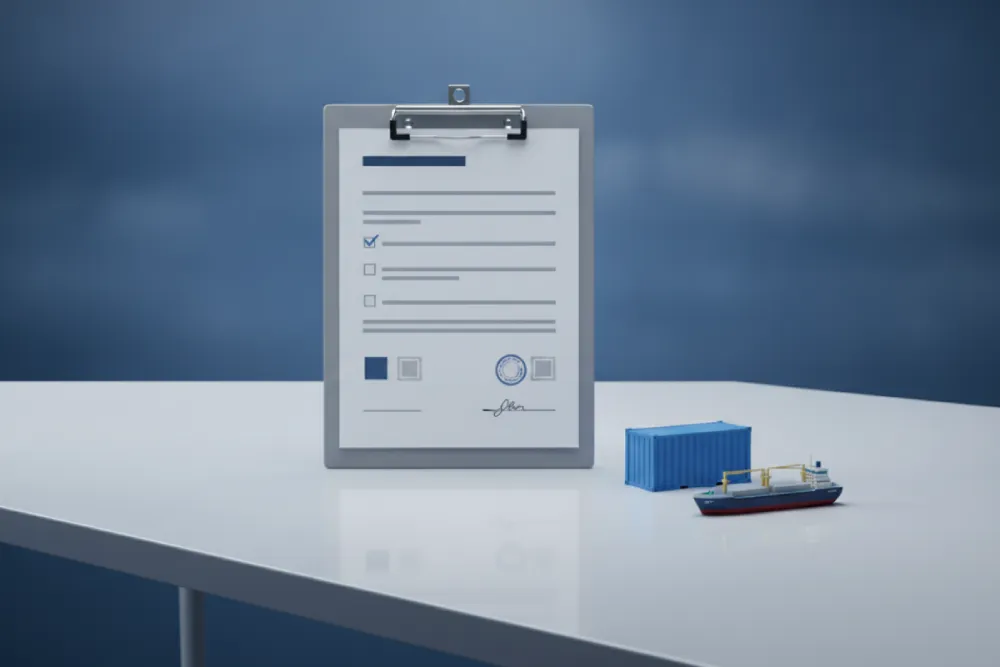
تجارت جهانی، دنیایی از قوانین، مقررات و تشریفات است که موفقیت در آن بدون رعایت جزئیات دقیق ممکن نیست. وقتی صحبت از جابه‌جایی کالا از یک نقطه به نقطه دیگر جهان به میان می‌آید، جریان کالا تنها نیمی از ماجراست؛ نیمه دیگر، جریان اطلاعات و مستنداتی است که مالکیت، ماهیت و وضعیت حقوقی بار را مشخص می‌کند. برای هر بازرگان یا مدیر لجستیکی، آشنایی با اسناد حمل و نقل حکم قطب‌نما را دارد. کوچک‌ترین خطا در این مدارک می‌تواند منجر به توقف بار در گمرک، جریمه‌های سنگین و یا حتی مرجوع شدن محموله شود. در این مقاله از وب‌سایت شرکت حمل و نقل آپادانا، قصد داریم ۵ سند حیاتی را بررسی کنیم که عبور بی‌دردسر کالاهای شما را در فرایند حمل و نقل بین المللی تضمین می‌کند.

Shipping documents

چرا اسناد حمل و نقل قلب تپنده تجارت هستند؟

تصور کنید محموله‌ای ارزشمند از طریق حمل و نقل دریایی ارسال شده و به مقصد رسیده است، اما به دلیل نقص در یکی از مدارک، اجازه تخلیه بار صادر نمی‌شود. این سناریو، کابوس هر صادرکننده‌ای است. اسناد حمل و نقل در واقع زبان مشترک بین خریدار، فروشنده، شرکت‌های بیمه، گمرک و شرکت حمل‌ونقل هستند. این مدارک ثابت می‌کنند که کالا کیست، چه ماهیتی دارد، چقدر ارزش دارد و بر اساس چه شرایطی (اینکوترمز) معامله شده است. اگر در حال استفاده از خدمات ترانزیت هستید، اطمینان از صحت این اسناد اولین قدم در کاهش هزینه‌های پنهان است.

۱. سیاهه تجاری (Commercial Invoice)

این سند، شناسنامه مالی معامله شماست. سیاهه تجاری (این‌ویس) توسط فروشنده صادر شده و حاوی اطلاعات دقیقی از جمله مشخصات خریدار، فروشنده، شرح کالا، قیمت واحد و قیمت کل، شرایط پرداخت و شرایط تحویل (Incoterms) است. گمرک مقصد از این سند برای تعیین ارزش کالا و محاسبه حقوق و عوارض گمرکی استفاده می‌کند.

۲. لیست عدل‌بندی (Packing List)

لیست عدل‌بندی یا پکینگ لیست مکمل سیاهه تجاری است. در حالی که این‌ویس بر جنبه مالی تمرکز دارد، پکینگ لیست بر ماهیت فیزیکی بار متمرکز است. در این سند، جزئیات وزن خالص (Net Weight)، وزن ناخالص (Gross Weight)، تعداد بسته‌ها، ابعاد هر بسته و نوع بسته‌بندی ذکر می‌شود. این سند برای بازرسان گمرک ضروری است تا بتوانند محتویات بار را با اسناد مطابقت دهند. همکاران ما در شرکت حمل و نقل بین المللی آپادانا همیشه تأکید می‌کنند که دقت در جزئیات پکینگ لیست، احتمال بازرسی‌های سخت‌گیرانه فیزیکی را به شدت کاهش می‌دهد.

۳. بارنامه (Bill of Lading / Air Waybill)

بارنامه معتبرترین سند در تجارت بین‌الملل است. این سند توسط شرکت حمل‌ونقل صادر می‌شود و به عنوان رسید کالا، قرارداد حمل و سندی برای مالکیت بار عمل می‌کند. بسته به نوع حمل، بارنامه انواع مختلفی دارد:

Shipping documents

۴. گواهی مبدأ (Certificate of Origin)

این سند تأیید می‌کند که کالا در چه کشوری تولید شده است. گواهی مبدأ برای اعمال تعرفه‌های ترجیحی و رعایت قراردادهای تجاری دوجانبه اهمیت حیاتی دارد. بسیاری از کشورها برای جلوگیری از ورود کالاهای قاچاق یا بی‌کیفیت، این سند را به عنوان شرط لازم برای ترخیص کالا مطالبه می‌کنند.

۵. بیمه‌نامه حمل و نقل (Insurance Certificate)

بسیاری از تجار تازه‌کار اهمیت بیمه را نادیده می‌گیرند. در مسیرهای طولانی حمل و نقل هوایی یا دریایی، حوادث غیرمترقبه‌ای مانند توفان، سرقت یا آسیب‌های فیزیکی ممکن است رخ دهد. بیمه‌نامه، ریسک مالی را از دوش صاحب کالا برداشته و به شرکت بیمه منتقل می‌کند. وجود این سند به خصوص در قراردادهای حمل‌ونقل با شرایط CIP یا CIF الزامی است.

مدیریت اسناد با شرکت حمل و نقل آپادانا

فرایند تهیه و تنظیم اسناد حمل و نقل نیاز به دقت و تجربه بالا دارد. یک شرکت حمل و نقل بین المللی حرفه‌ای نه تنها مسئولیت انتقال فیزیکی کالا را بر عهده دارد، بلکه به عنوان یک مشاور، صحت اسناد شما را قبل از ارسال بررسی می‌کند. ما در شرکت حمل و نقل آپادانا با سال‌ها تجربه در ارائه خدمات ترانزیت و مدیریت لجستیک، به شما کمک می‌کنیم تا با خیالی آسوده، تجارت خود را فراتر از مرزها گسترش دهید. چه قصد استفاده از حمل و نقل دریایی داشته باشید و چه حمل و نقل هوایی، کارشناسان ما در کنار شما هستند تا از درستی هر برگه اطمینان حاصل شود.

Shipping documents

سوالات متداول

۱. آیا پکینگ لیست باید حتماً مهر و امضا شود؟

بله، هر سندی که برای گمرک ارسال می‌شود، باید دارای مهر و امضای رسمی شرکت صادرکننده باشد تا رسمیت قانونی پیدا کند.

۲. اگر بارنامه گم شود چه اتفاقی می‌افتد؟

بارنامه سندی برای مالکیت کالا است. در صورت مفقود شدن، فرایند دریافت المثنی بسیار پیچیده و زمان‌بر است؛ لذا توصیه می‌شود اسناد حمل را با حداکثر دقت نگهداری کنید.

۳. تفاوت بارنامه دریایی با هوایی چیست؟

بارنامه دریایی معمولاً قابلیت معامله دارد (قابل پشت‌نویسی و انتقال است)، در حالی که راهنامه هوایی یک رسید غیرقابل انتقال است که کالا را به گیرنده خاصی تحویل می‌دهد.

۴. برای خدمات ترانزیت، کدام سند از همه مهم‌تر است؟

پروانه گمرکی و بارنامه جاده‌ای (CMR) برای ترانزیت کالا از اهمیت بالاتری برخوردارند زیرا وضعیت قانونی کالا در طول مسیر ترانزیتی را مشخص می‌کنند.

دیدگاهتان را بنویسید

نشانی ایمیل شما منتشر نخواهد شد. بخش‌های موردنیاز علامت‌گذاری شده‌اند *

Global trade is a complex ecosystem of regulations, compliance, and protocols where success hinges on meticulous attention to detail. Moving goods across borders is only half the battle; the other half involves managing the flow of documentation that dictates the ownership, nature, and legal status of your cargo. For any trader or logistics manager, mastering the required shipping documents is the ultimate compass. A minor error in these documents can lead to cargo detention at customs, hefty fines, or even the rejection of your shipment. In this article from the Apadana transport company blog, we explore the five critical documents that ensure the smooth flow of your goods throughout the international freight process.

Shipping documents

Why Shipping Documents Are the Lifeblood of Trade

Imagine your high-value cargo arriving via sea freight, only to be denied port clearance due to a single missing or incorrect document. This is every exporter’s nightmare. Shipping documents serve as the common language between buyers, sellers, insurance providers, customs authorities, and freight forwarders. They prove who owns the goods, what they are, their value, and the terms of sale (Incoterms). If you are utilizing complex transit services, ensuring these documents are accurate is your first line of defense against hidden logistics costs.

1. Commercial Invoice

The commercial invoice is the financial passport of your transaction. Issued by the seller, it contains detailed information including the buyer and seller’s details, description of goods, unit price, total value, payment terms, and delivery terms (Incoterms). Customs authorities use this document to determine the value of the goods and calculate applicable duties and taxes.

2. Packing List

The packing list complements the commercial invoice. While the invoice focuses on financial aspects, the packing list details the physical nature of the cargo. It must clearly state the Net Weight, Gross Weight, number of packages, dimensions per package, and type of packaging. Customs inspectors rely heavily on this document to verify the physical content of the shipment against the invoice. Our experts at international transport company Apadana always emphasize that precision in the packing list drastically reduces the likelihood of intrusive physical customs inspections.

3. Bill of Lading (B/L) / Air Waybill (AWB)

The Bill of Lading is arguably the most critical document in international trade. Issued by the carrier, it serves as a receipt for the cargo, a contract of carriage, and a document of title. Depending on the transport mode, the type of document varies:

Shipping documents

4. Certificate of Origin

This document verifies the country in which the goods were manufactured. The Certificate of Origin is vital for applying preferential tariff treatments and complying with bilateral trade agreements. Many countries demand this document as a mandatory requirement for clearance, acting as a safeguard against illicit or substandard goods.

5. Transport Insurance Certificate

Many novice traders overlook the importance of insurance. During long-haul air freight or sea transit, unforeseen events like storms, theft, or physical damage can occur. An insurance certificate shifts financial risk from the cargo owner to the insurer. This document is particularly mandatory under CIF or CIP incoterms.

Managing Documentation with Apadana Transport Company

The process of preparing and validating shipping documents requires experience and meticulous oversight. A professional international transport company does not just handle the physical movement of goods; it acts as an advisor, auditing your documentation before dispatch to prevent issues. At Apadana transport company, with our years of experience in transit services and logistics management, we help you expand your business across borders with complete peace of mind. Whether you are opting for sea freight or air freight, our experts are by your side to ensure every page is error-free.

Shipping documents

Frequently Asked Questions (FAQ)


1. Does the Packing List require an official stamp and signature?

Yes, any document submitted to customs must bear the official stamp and signature of the issuing company to be considered legally valid.

2. What happens if the Bill of Lading is lost?

The Bill of Lading acts as a document of title. If lost, the process of obtaining a duplicate is highly complex and time-consuming; therefore, we strongly recommend handling and storing these documents with the utmost care.

3. What is the difference between an Ocean B/L and an Air Waybill?

An Ocean B/L is generally a document of title (negotiable and transferable), whereas an Air Waybill is a non-negotiable receipt that consigns goods to a specific recipient.

4. Which document is most critical for land transit services?

For transit services, the Customs Declaration and the CMR (road consignment note) are paramount, as they define the legal status and route of the cargo throughout the transit journey.

دیدگاهتان را بنویسید

نشانی ایمیل شما منتشر نخواهد شد. بخش‌های موردنیاز علامت‌گذاری شده‌اند *