Choosing the wrong ocean freight method can wipe out the profit margin of an entire shipment. The cost of shipping cargo by vessel is not limited to the base freight rate; demurrage, port storage, customs delays, and cargo damage risks all feed into the final landed cost. The decision between FCL and LCL, the selection of origin and destination ports, and a realistic understanding of transit time separate a resilient supply chain from a volatile one.
Apadana Freight Logistics, with its extensive international network and multimodal capabilities, supports importers, exporters, and trading houses in forecasting cost and transit time with practical accuracy.
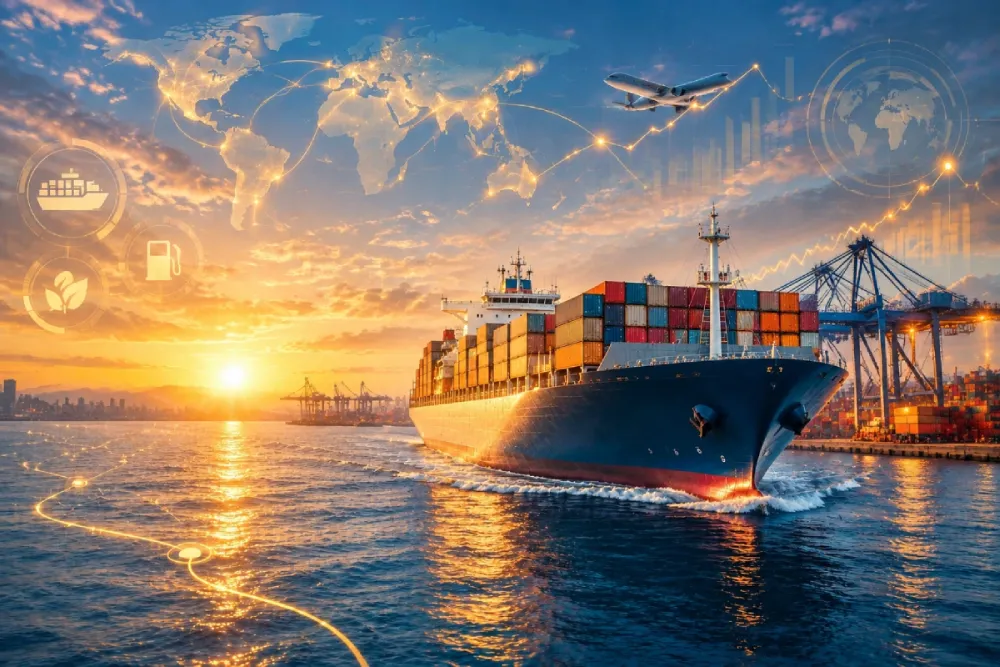
What Is Maritime Transport and Why Does It Still Dominate Global Trade?
More than 80 percent of international trade volume moves by sea. The primary reason is capacity: ocean freight offers far greater volume per vessel than air cargo, at a fraction of the cost per unit of weight. Sea freight remains the most economical option for bulky, heavy, bulk, and containerized cargo.
That said, ocean freight comes with its own challenges: longer transit times, dependence on vessel schedules, congestion at major ports, and variable port charges. Managing these requires forwarding experience and a clear understanding of transit corridors.
Types of Cargo in Vessel Shipping
Containerized Cargo
The most common form of ocean shipping is containerized cargo. Two main models exist:
FCL (Full Container Load): The entire container is dedicated to one shipper. It offers better cargo security and is more suitable for high-volume shipments.
LCL (Less than Container Load): Your cargo is consolidated with other shippers’ goods in one container. It is cost-effective for smaller shipments, but transit time increases due to consolidation and deconsolidation.
Bulk Cargo
Grain, iron ore, cement, coal, and minerals move on bulk carriers. This mode is used for raw industrial materials and liquid bulk, often under long-term contracts.
Liquid Cargo
Oil, chemicals, and liquefied gas are carried in tankers or tank containers. Safety requirements and documentation for this cargo type are significantly stricter.
Reefer Cargo
Food, pharmaceuticals, and agricultural products require temperature-controlled reefer containers. Rates are higher, and continuous temperature monitoring along the route is mandatory.
Break Bulk and Project Cargo
Industrial machinery, turbines, and project equipment that cannot fit in containers are shipped as break bulk or on specialized vessels. This requires loading engineering and specific permits.
How Is the Cost of Shipping Cargo by Vessel Calculated?
The cost of shipping cargo by vessel consists of several components, each of which must be reviewed separately:
| Cost Component | Description |
|---|---|
| Base Freight | Main carriage rate from origin to destination port |
| Origin Port Charges | THC, loading, export documentation |
| Destination Port Charges | THC, discharge, storage |
| Demurrage & Detention | Penalties for late container pickup or return |
| Cargo Insurance | Based on cargo value and route risk |
| Customs Costs | Import duties, taxes, brokerage fees |
Ocean freight rates fluctuate with season, port congestion, fuel prices, vessel capacity, and geopolitical conditions. For this reason, rate requests should be made close to the actual shipping date.
Comparison of Cost and Transit Time by Mode
| Mode | Approximate Transit Time | Relative Cost | Best For |
|---|---|---|---|
| Ocean FCL | 20–45 days | Low | High-volume, non-urgent cargo |
| Ocean LCL | 25–50 days | Medium | Smaller shipments |
| Rail | 12–25 days | Medium | North-South Corridor |
| Road | 5–15 days | High | Regional routes |
| Air | 1–5 days | Very high | Urgent, high-value cargo |
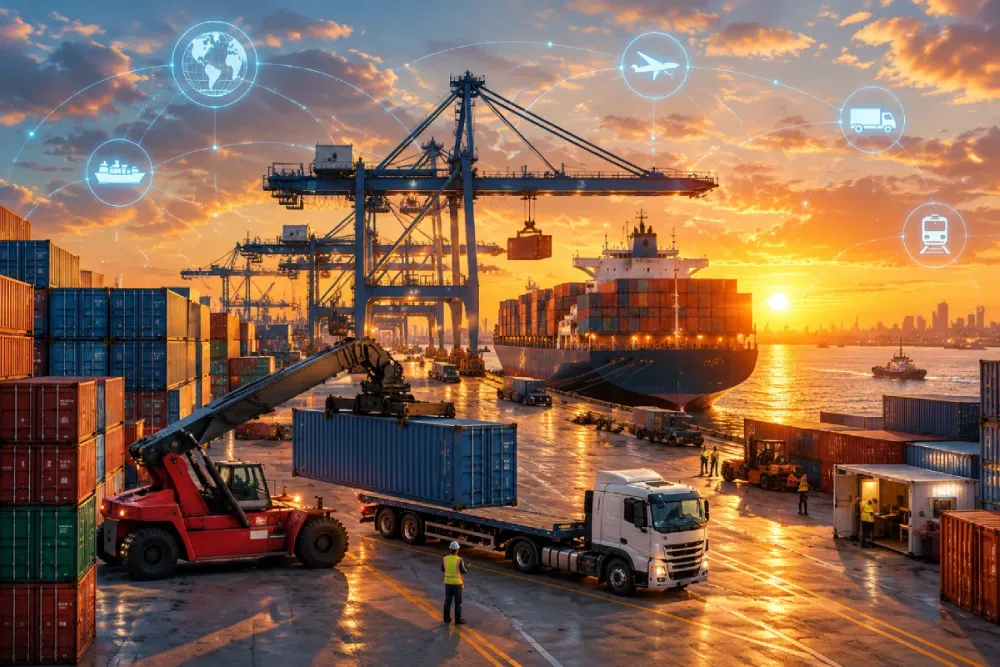
Ocean Transit Time: What Changes It?
Transit time is not fixed. Route selection, number of transshipment ports, port congestion, weather, and customs procedures all affect the actual duration.
For example, shipping from Bandar Abbas to Northern European ports typically takes 25 to 35 days, while the same route with transshipment via intermediate hubs can extend to 45 days. In transit services, selecting the optimal route directly reduces both time and cost.
Steps in Vessel Shipping
Agree on Incoterms: Define seller and buyer responsibilities for freight, insurance, and clearance.
Booking: Coordinate with a freight forwarder or shipping line.
Consolidation and Loading: In LCL, cargo moves to a consolidation warehouse.
Documentation: Bill of Lading, commercial invoice, packing list, and certificate of origin.
Ocean Carriage: Transit and shipment tracking.
Customs Clearance: At destination, customs clearance services require document submission and duty payment.
Final Delivery: Transport from port to buyer’s warehouse.
Required Document Checklist
Bill of Lading
Commercial Invoice
Packing List
Certificate of Origin
Insurance Certificate
Specific permits (health, standards, quarantine)
Shipping Insurance: Necessity or Option?
Shipping insurance is mandatory in many international transactions, particularly under Incoterms such as CIF and CIP. Even when the counterparty is responsible for insurance, reviewing coverage and its limits protects the buyer’s interests. Risks such as water damage, theft, fire, and lost cargo can cause severe losses without adequate coverage.
Common Ocean Freight Challenges and How to Manage Them
Vessel schedule delays: Continuous tracking and selecting carriers with reliable schedules.
High demurrage: Precise planning for discharge and clearance.
Document mismatches: Thorough document review before dispatch.
Cargo damage: Standard packaging and adequate insurance.
Changing customs regulations: Working with an experienced customs brokerage partner.
The North-South Corridor and Shipping from Southern Ports
For Iranian traders, transit corridors are particularly important. Shipping from southern ports such as Bandar Abbas and Chabahar, combined with sea freight and onward road freight or rail, can optimize both time and cost. The North-South Corridor provides an economical route to Russia and Northern European markets.
Apadana offers multimodal solutions that leverage these corridors with minimal risk.
Importing by Ship: Key Points for Importers
Importing by ship requires precise planning. Destination port selection, customs tariff review, document preparation, and choosing a reliable forwarder are success factors. Importers should include ancillary costs such as storage, demurrage, and inland transport in the landed cost before purchase.
Why Apadana Freight Logistics?
Apadana delivers end-to-end supply chain solutions:
FCL and LCL ocean freight from all major ports
Multimodal transport combining sea, rail, and road
Customs clearance and documentation consultancy
International cargo insurance
Rapid rate quotations
Apadana’s team applies deep knowledge of customs procedures, Incoterms, and transit corridors to design solutions matched to cargo type and target market.

Frequently Asked Questions
How is the cost of shipping cargo by vessel determined?
The cost includes base freight, port charges, demurrage, insurance, and customs costs. The final rate depends on cargo type, route, season, and market conditions.
What is the difference between FCL and LCL?
In FCL, the entire container is dedicated to one shipper, offering better security and speed. In LCL, cargo is consolidated with other shipments, which is more economical for small volumes but has longer transit time.
How long does ocean transit take?
Depending on the route, it ranges from 20 to 50 days. Transshipment, port congestion, and customs procedures all affect it.
Is shipping insurance mandatory?
Under Incoterms such as CIF and CIP, it is mandatory. Even otherwise, adequate insurance is recommended to protect capital.