در دنیای تجارت بین‌الملل، مدیریت زنجیره تأمین فراتر از جابه‌جایی ساده‌ی کالا از مبدأ به مقصد است؛ چالش اصلی، حفظ کیفیت و ارزش محصول در طول مسیر است. زمانی که صحبت از محصولات کشاورزی، دارویی یا مواد شیمیایی حساس به دما می‌شود، انتخاب روش حمل‌ونقل و ابزار مناسب، مرز میان سودآوری و ضرر سنگین خواهد بود. در این میان، کانتینر یخچالی (Reefer Container) به‌عنوان ستون فقرات لجستیک کالاهای فاسدشدنی و حساس شناخته می‌شود.

این مقاله به بررسی دقیق ویژگی‌ها، کاربردها و نکات حیاتی که هر مدیر بازرگانی یا مسئول لجستیک باید درباره حمل‌ونقل با کانتینر یخچالی بداند، می‌پردازد.

Reefer container shipping

کانتینر یخچالی چیست و چگونه کار می‌کند؟

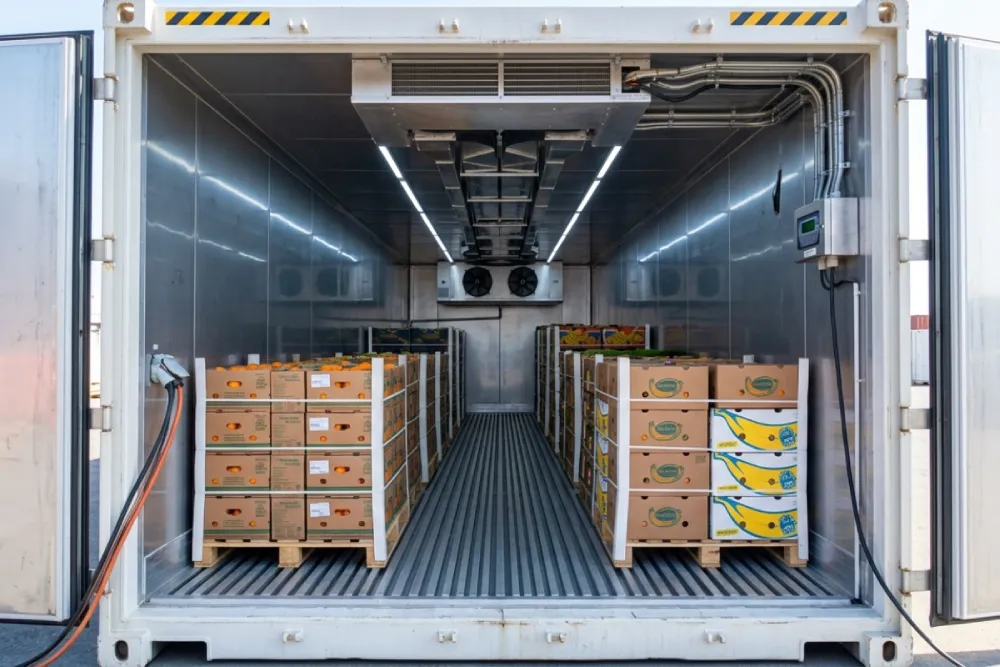
برخلاف تصور عمومی، کانتینر یخچالی صرفاً یک کانتینر معمولی نیست که داخل آن یخ ریخته شده باشد. این کانتینر یک واحد لجستیکی هوشمند و مجهز به سیستم‌های پیشرفته کنترل دما، تهویه و مدیریت رطوبت است.

این سیستم‌ها به کاربر اجازه می‌دهند تا دمای محیط داخلی را در محدوده‌ای بسیار دقیق (از دماهای زیر صفر تا دماهای بالای مثبت) حفظ کنند. علاوه بر دما، قابلیت تنظیم جریان هوا (Ventilation) به جلوگیری از تجمع گازهای تولید شده توسط محصولات کشاورزی و همچنین مدیریت رطوبت برای جلوگیری از فساد یا یخ‌زدگی محصول کمک می‌کند.

انواع محصولات مناسب برای حمل با کانتینر یخچالی

استفاده از کانتینرهای یخچالی محدود به یک دسته محصول نیست، اما دقت در انتخاب نوع محصول، تعیین نوع سرویس را آسان‌تر می‌کند:

  1. محصولات کشاورزی و باغی: از میوه‌ها و سبزیجات تازه گرفته تا غلات و حبوبات که نیاز به کنترل رطوبت و دما دارند.
  2. محصولات پروتئینی: گوشت، ماهی و سایر فرآورده‌های دریایی که نیاز به دمای ثابت زیر صفر دارند.
  3. محصولات دارویی و بیولوژیک: واکسن‌ها، داروهای حساس و نمونه‌های آزمایشگاهی که کوچک‌ترین تغییر دما می‌تواند اثر آن‌ها را از بین ببرد.
  4. مواد شیمیایی خاص: برخی مواد شیمیایی که برای پایداری خود نیاز به شرایط دمایی کنترل‌شده دارند.
  5. محصولات لبنی و فرآورده‌های تخمیری: که حساسیت بالایی به تغییرات محیطی دارند.

مزایا و چالش‌های حمل‌ونقل با کانتینر یخچالی

در انتخاب این روش، باید تعادلی میان مزایا و ریسک‌ها برقرار کرد.

مزایا:

چالش‌ها:

کانتینر یخچالی

نکات کلیدی برای مدیریت محموله‌های حساس

اگر مسئول لجستیک هستید، برای کاهش ریسک در حمل با کانتینر یخچالی، رعایت موارد زیر الزامی است:

۱. انتخاب صحیح نوع کانتینر و تنظیمات اولیه

باید بدانید که آیا محصول شما نیاز به دمای زیر صفر (Frozen) دارد یا دمای بالای صفر (Chilled). همچنین، تنظیم میزان تهویه (Ventilation) برای محصولات کشاورزی که هنگام تنفس گاز تولید می‌کنند، بسیار حیاتی است.

۲. بارگیری و چیدمان اصولی

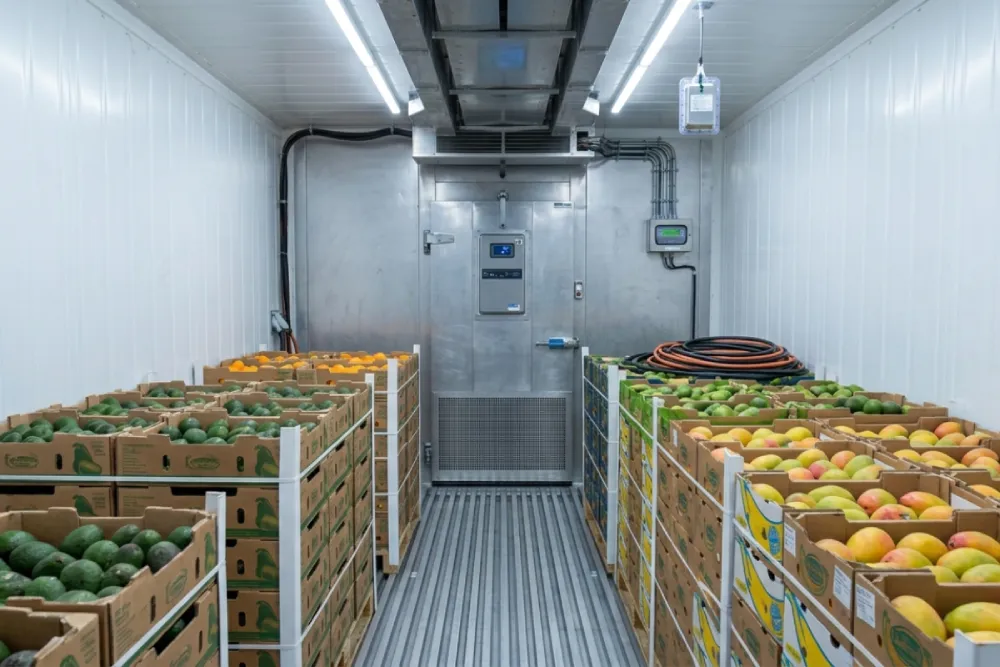
در کانتینرهای یخچالی، جریان هوا باید بدون مانع باشد. اگر کالاها به گونه‌ای چیده شوند که مسیر جریان هوای سرد را مسدود کنند، دما در بخش‌هایی از کانتینر بالا می‌رود و محصول فاسد می‌شود. استفاده از پالت‌های مناسب برای ایجاد فضای زیرین جهت گردش هوا توصیه می‌شود.

۳. نظارت بر عملکرد تجهیزات

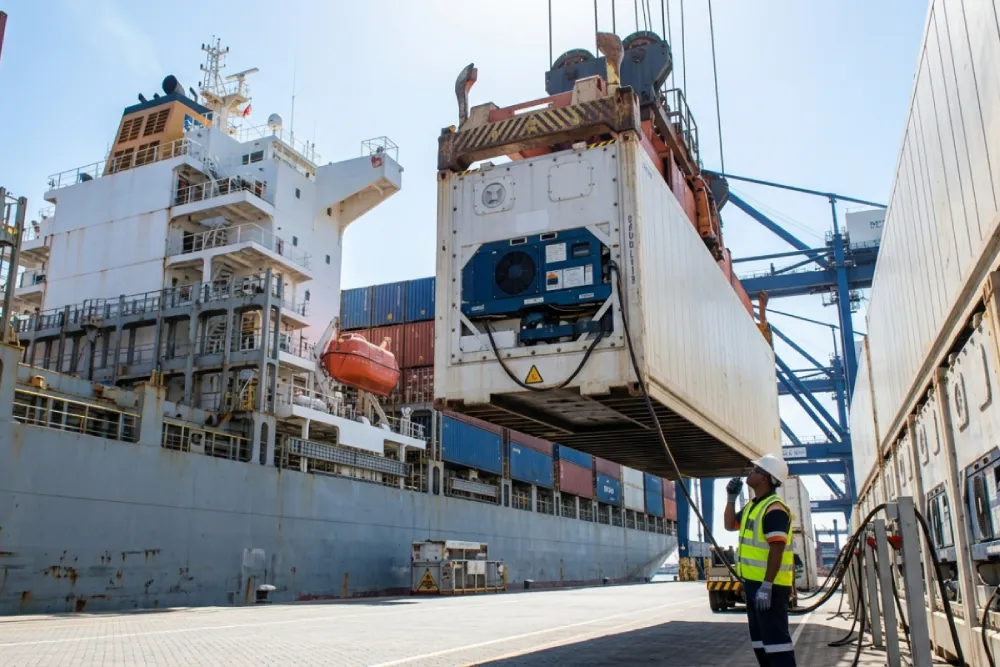
بررسی سلامت دستگاه خنک‌کننده (Reefer Unit) پیش از شروع حرکت و در طول مسیر، از اقدامات ضروری است.

۴. مدیریت ریسک‌های زنجیره تأمین

همواره باید طرح جایگزین برای تأمین انرژی یا تغییر مسیر در صورت بروز نقص فنی در نظر گرفته شود. در این مسیر، همکاری با یک شرکت حمل‌ونقل بین‌المللی متخصص که تجربه مدیریت محموله‌های حساس را داشته باشد، می‌تواند تفاوت بزرگی ایجاد کند.

نتیجه‌گیری

حمل‌ونقل با کانتینر یخچالی، فراتر از یک خدمت لجستیکی ساده است؛ این یک فرآیند مهندسی‌شده برای حفظ ارزش کالا است. انتخاب اشتباه در تنظیمات دما، چیدمان بار یا انتخاب ارائه‌دهنده خدمات، می‌تواند به از دست رفتن کل سرمایه در یک محموله منجر شود. بنابراین، تمرکز بر تخصص، تجربه و ارائه راهکارهای یکپارک در مدیریت زنجیره تأمین، کلید موفقیت در این حوزه است.

برای دریافت مشاوره تخصصی و هماهنگی حمل محموله‌های حساس خود، می‌توانید با کارشناسان آپادانا ترابر در ارتباط باشید تا بهترین راهکار لجستیکی متناسب با نوع کالای شما ارائه شود.
کانتینر یخچالی

سوالات متداول

تفاوت اصلی کانتینر یخچالی با کانتینرهای معمولی در چیست؟

کانتینر یخچالی دارای موتور و سیستم‌های کنترل دما، رطوبت و تهویه است که اجازه می‌دهد شرایط محیطی داخل کانتینر برای حفظ کیفیت کالا به صورت دقیق تنظیم و مدیریت شود.

چه محصولاتی حتماً باید با کانتینر یخچالی حمل شوند؟

محصولاتی که به دما حساس هستند از جمله میوه‌ها، سبزیجات، گوشت، ماهی، محصولات لبنی، داروهای حساس و برخی مواد شیمیایی که پایداری آن‌ها به دما وابسته است.

آیا دمای کانتینر یخچالی در طول مسیر ثابت می‌ماند؟

در صورت عملکرد صحیح تجهیزات و عدم قطع برق یا نقص فنی، دما باید در محدوده تنظیم شده ثابت بماند. با این حال، نظارت مستمر بر عملکرد سیستم خنک‌کننده برای اطمینان از پایداری دما در طول مسیرهای طولانی توصیه می‌شود.

عوامل مؤثر بر هزینه حمل با کانتینر یخچالی چیست؟

عواملی نظیر نوع محصول، مدت زمان مسیر، مسافت، وزن و حجم محموله، نوع تنظیمات دما و رطوبت مورد نیاز، و همچنین هزینه‌های مربوط به تجهیزات و مدیریت لجستیک بر نرخ نهایی حمل اثر می‌گذارند.

دیدگاهتان را بنویسید

نشانی ایمیل شما منتشر نخواهد شد. بخش‌های موردنیاز علامت‌گذاری شده‌اند *

In the global trade arena, supply chain management extends far beyond merely moving goods from origin to destination; the primary challenge lies in preserving the quality and value of products throughout their journey. When dealing with temperature-sensitive cargo such as agricultural produce, pharmaceuticals, or specialized chemicals, the choice of transportation method and equipment can be the thin line between profitability and significant loss. In this context, the reefer container stands as the backbone of perishable and sensitive cargo logistics.

This article delves into the intricate details of reefer containers, their applications, and the critical considerations that every commercial manager or logistics professional must understand for successful international shipping.

Reefer container shipping

What is a Reefer Container and How Does It Work?

Contrary to common assumptions, a reefer container is not just a standard container filled with ice. It is a sophisticated, self-contained unit equipped with advanced systems for temperature control, ventilation, and humidity management.

These integrated systems allow operators to maintain precise internal temperatures within a wide range, from sub-zero to well above freezing. Furthermore, the adjustable airflow (Ventilation) capability helps prevent the buildup of gases produced by respiring products, such as fresh produce, and manages humidity levels to avoid spoilage or frost damage.

Types of Cargo Suitable for Reefer Transport

The application of reefer containers is diverse, not limited to a single product category. Careful consideration of the cargo type simplifies the selection of the appropriate service:

  1. Agricultural & Horticultural Products: From fresh fruits and vegetables to grains and legumes that require controlled temperature and humidity.
  2. Protein Products: Meat, fish, and other seafood products that necessitate consistently sub-zero temperatures.
  3. Pharmaceuticals & Biologics: Vaccines, sensitive medications, and laboratory samples where even minor temperature fluctuations can render them ineffective.
  4. Specialized Chemicals: Certain chemical substances that require controlled temperature conditions for stability.
  5. Dairy Products & Fermented Goods: These items are highly susceptible to environmental changes.


Advantages and Challenges of Reefer Container Shipping

When choosing this method, a balance between benefits and risks must be carefully considered.

Advantages:

Challenges:

کانتینر یخچالی

Key Considerations for Managing Sensitive Cargo

If you are a logistics professional, adhering to the following points is crucial for mitigating risks in reefer transport:

1. Correct Reefer Type and Initial Settings

It is vital to determine whether your product requires sub-zero (Frozen) or above-zero (Chilled) temperatures. Additionally, adjusting the ventilation level is critical for produce that emits respiratory gases.

2. Proper Loading and Stowage

In reefer containers, airflow must be unobstructed. Improper stacking that blocks the cold air circulation path can lead to temperature rises in certain parts of the container, resulting in spoilage. Utilizing pallets to create under-floor space for air circulation is recommended.

3. Monitoring Equipment Performance

Verifying the operational status of the refrigeration unit (Reefer Unit) before departure and throughout the transit is an essential practice.

4. Supply Chain Risk Management

Always have contingency plans for power supply or rerouting in case of technical failures. Collaborating with a specialized international freight forwarder experienced in handling sensitive cargo can make a significant difference.

Conclusion

Reefer container shipping is more than just a standard logistics service; it’s an engineered process designed to preserve cargo value. Incorrect temperature settings, improper cargo stacking, or choosing the wrong service provider can result in the complete loss of a shipment’s value. Therefore, focusing on expertise, experience, and integrated solutions in supply chain management is key to success in this domain.

For expert consultation and to arrange the transport of your sensitive cargo, please contact the specialists at Apadana Tarabar to receive the most suitable logistics solution tailored to your specific cargo needs.

کانتینر یخچالی

Frequently Asked Questions (FAQ)


What is the main difference between a reefer container and a standard container?

A reefer container is equipped with a motor and systems for precise temperature, humidity, and ventilation control, allowing the internal environment to be precisely managed to maintain cargo quality.

What types of cargo absolutely require reefer transport?

Temperature-sensitive products including fruits, vegetables, meat, fish, dairy products, sensitive pharmaceuticals, and certain chemicals whose stability is temperature-dependent.

Does the temperature inside a reefer container remain constant during transit?

If the equipment functions correctly and there are no power outages or technical failures, the temperature should remain stable within the set range. However, continuous monitoring of the refrigeration system is advised to ensure temperature stability on long journeys.

What factors influence the cost of reefer container shipping?

Factors such as product type, transit time, distance, cargo weight and volume, required temperature and humidity settings, and associated equipment and logistics management costs all contribute to the final freight rate.

دیدگاهتان را بنویسید

نشانی ایمیل شما منتشر نخواهد شد. بخش‌های موردنیاز علامت‌گذاری شده‌اند *