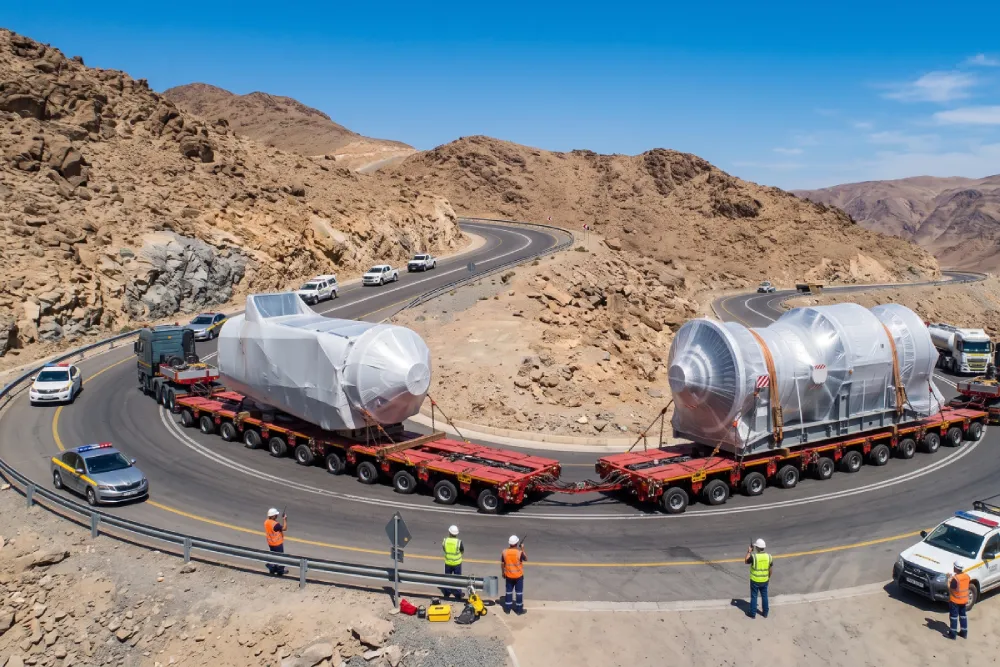
در دنیای پیچیده و گسترده تجارت و صنعت امروز، جابجایی کالاها یکی از ارکان اصلی موفقیت هر پروژه‌ای محسوب می‌شود. اما زمانی که صحبت از بارهای غول‌پیکر، ماشین‌آلات صنعتی عظیم، توربین‌های بادی یا قطعات سنگین پالایشگاهی به میان می‌آید، شرایط کاملاً تغییر می‌کند. اینجا دیگر روش‌های عادی پاسخگو نیستند و ما با مفهومی کاملاً تخصصی و حساس مواجه می‌شویم. شاید برایتان پیش آمده باشد که در جاده‌ها با تریلی‌های بسیار بزرگی مواجه شوید که با اسکورت ویژه در حال حرکت هستند و بارهایی با ابعاد غیرمتعارف را جابجا می‌کنند؛ این دقیقاً همان چیزی است که به آن نیاز داریم بپردازیم.

حمل محموله ترافیکی یکی از پیچیده‌ترین و حساس‌ترین بخش‌های لجستیک است که نیازمند برنامه‌ریزی دقیق، تجهیزات تخصصی و دانش مهندسی بالایی است. کوچکترین اشتباه در این فرایند می‌تواند منجر به خسارات جبران‌ناپذیر مالی و حتی جانی شود و کل روند یک پروژه ملی یا بین‌المللی را مختل کند. به همین خاطر است که سپردن این وظیفه خطیر به یک شرکت معتبر مانند شرکت حمل و نقل آپادانا اهمیت بسیار زیادی پیدا می‌کند.

در این مقاله می‌خواهیم به صورت جامع در مورد این صحبت کنیم که چالش‌های اصلی در مسیر حمل محموله ترافیکی چه هستند و شرکت‌های پیشرو چگونه با استفاده از راهکارهای نوین این موانع را برطرف می‌کنند. بنابراین، اگر به دنبال این هستید که در مورد این حوزه تخصصی اطلاعات بیشتری کسب کنید و با راهکارهای عملی آن آشنا شوید، از شما دعوت می‌کنیم تا انتهای این مقاله با ما همراه باشید.
Project cargo logistics

محموله ترافیکی و پروژه‌ای چیست؟

پیش از آنکه به سراغ چالش‌ها و راهکارها برویم، بهتر است بدانیم که اصلاً به چه بارهایی ترافیکی یا پروژه‌ای گفته می‌شود. به زبان ساده، هر باری که ابعاد (طول، عرض، ارتفاع) و وزن آن از استانداردهای تعیین شده برای وسایل نقلیه باری معمولی بیشتر باشد، یک بار ترافیکی محسوب می‌شود. این بارها نمی‌توانند توسط کامیون‌ها یا تریلی‌های استاندارد جابجا شوند و به ناوگان‌های ویژه‌ای مانند بوژی‌ها و کمرشکن‌ها نیاز دارند.

این نوع بارها معمولاً شامل تجهیزات نفت، گاز و پتروشیمی، ماشین‌آلات سنگین راه‌سازی و معدنی، سازه‌های بزرگ فلزی، ترانسفورماتورهای غول‌پیکر برقی و قطعات نیروگاهی هستند. اجرای عملیات حمل محموله ترافیکی نیازمند هماهنگی‌های گسترده با ارگان‌های مختلف نظیر پلیس راهور، وزارت راه‌وشهرسازی و سایر نهادهای ذی‌ربط است تا انتقال بار با کمترین خطر و بالاترین ضریب ایمنی انجام پذیرد.

مهم‌ترین چالش‌های حمل محموله ترافیکی چیست؟

حالا که با مفهوم این نوع بارها آشنا شدید، بد نیست بدانید که شرکت‌های لجستیکی در زمان اجرای پروژه‌های انتقال این تجهیزات با چه موانع و مشکلاتی روبرو می‌شوند. شناخت این چالش‌ها به ما کمک می‌کند تا درک بهتری از پیچیدگی کار داشته باشیم. در ادامه مهم‌ترین مواردی که در حمل محموله ترافیکی اختلال ایجاد می‌کنند را با هم بررسی خواهیم کرد.

1- مسیرها و محدودیت‌های زیرساخت جاده‌ای

اولین و بزرگترین چالشی که در حمل محموله ترافیکی وجود دارد، وضعیت جاده‌ها و زیرساخت‌های ارتباطی است. بارهای غول‌پیکر نمی‌توانند از هر جاده‌ای عبور کنند. وجود پل‌هایی با تحمل وزن پایین، تونل‌هایی با ارتفاع کم، پیچ‌های تند در جاده‌های کوهستانی و شیب‌های غیراستاندارد، همگی از موانعی هستند که حرکت ناوگان را کند یا غیرممکن می‌کنند. حتی وجود کابل‌های برق شهری در ارتفاع پایین نیز می‌تواند در مسیر حمل و نقل زمینی بارهای مرتفع چالش‌برانگیز باشد.

2- فرایند پیچیده اخذ مجوزهای قانونی

یکی دیگر از مشکلاتی که پیش روی شرکت‌های ترابری قرار دارد، تشریفات اداری و اخذ مجوزهای ترافیکی است. برای حمل محموله ترافیکی، شرکت مربوطه باید پروانه عبور بار ترافیکی دریافت کند. این پروانه شامل تعیین دقیق زمان حرکت (معمولاً روزها و ساعات خاص برای جلوگیری از ترافیک)، مسیر مجاز و سرعت مجاز است. هماهنگی با پلیس راه و تیم‌های اسکورت برای همراهی محموله نیز زمان‌بر بوده و نیاز به تخصص و تجربه دارد.

3- شرایط جوی و آب و هوایی نامساعد

تغییرات آب و هوایی تأثیر مستقیم و بسیار شدیدی بر عملیات لجستیک بارهای سنگین دارد. بارش برف و باران، یخبندان جاده‌ها، وزش بادهای شدید و مه غلیظ می‌تواند خطرات متعددی را در هنگام انتقال بارهای چند صد تنی ایجاد کند. در بسیاری از مواقع، به دلیل شرایط جوی پیش‌بینی نشده، عملیات حمل محموله ترافیکی روزها متوقف می‌شود تا ایمنی بار به خطر نیفتد.

4- ایمنی بار و جلوگیری از خسارات احتمالی

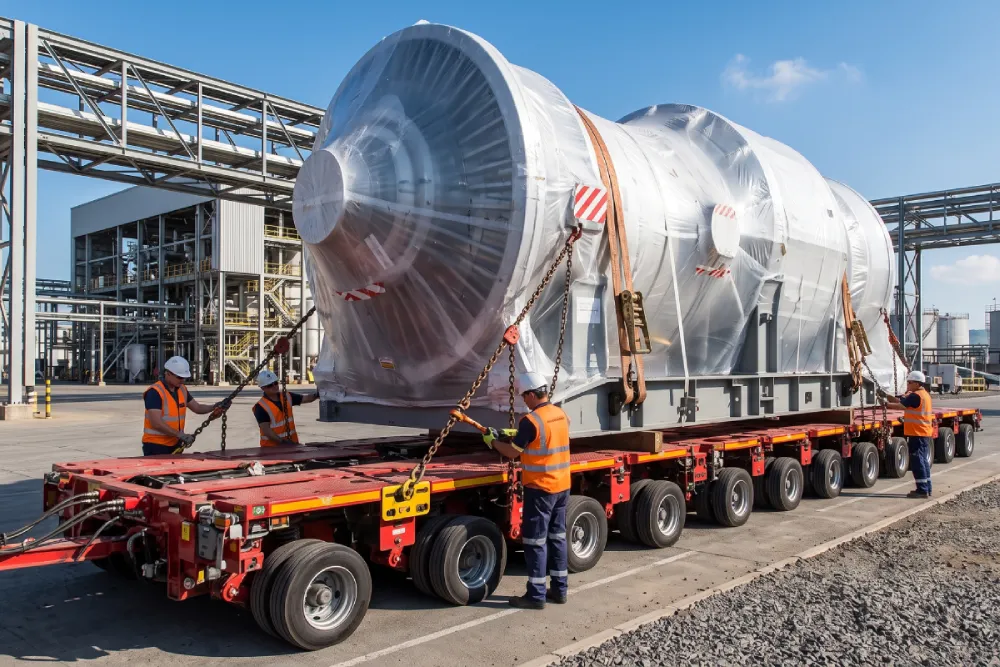
محموله‌های پروژه‌ای معمولاً تجهیزاتی بسیار گران‌قیمت، حساس و در برخی موارد غیرقابل جایگزین هستند. مهار کردن اصولی بار (Lashing) روی وسایل نقلیه، جلوگیری از لغزش، و توزیع صحیح وزن روی محورهای کشنده، چالش بزرگی است. هرگونه اشتباه محاسباتی در نقطه ثقل بار می‌تواند در هنگام ترمزگیری یا عبور از پیچ‌ها باعث واژگونی ناوگان و بروز فاجعه شود.

5- هماهنگی تجهیزات و ماشین‌آلات تخصصی

بارهای سنگین برای بارگیری و تخلیه به جرثقیل‌های فوق سنگین و تجهیزات خاصی نیاز دارند. گاهی اوقات این محموله‌ها باید از مبادی دوردست وارد کشور شوند و از کشتی به کشنده‌های زمینی انتقال یابند. هماهنگی بین تجهیزات بندری، جرثقیل‌ها و ناوگان جاده‌ای برای انجام پیوسته حمل محموله ترافیکی یک دغدغه اساسی در پروژه‌های صنعتی است.

راهکارهای شرکت حمل و نقل آپادانا برای غلبه بر چالش‌ها

تا به اینجا موانع مختلف را بررسی کردیم. اما سؤال اینجاست که چگونه می‌توان این موانع را با موفقیت پشت سر گذاشت؟ یک شرکت لجستیک حرفه‌ای با تکیه بر تجربه و تجهیزات خود می‌تواند تمامی این چالش‌ها را مدیریت کند. در ادامه راهکارهای شرکت حمل و نقل آپادانا را برای انجام بی‌نقص این پروژه‌ها معرفی می‌کنیم.

1- مسیریابی دقیق و نقشه‌برداری مهندسی

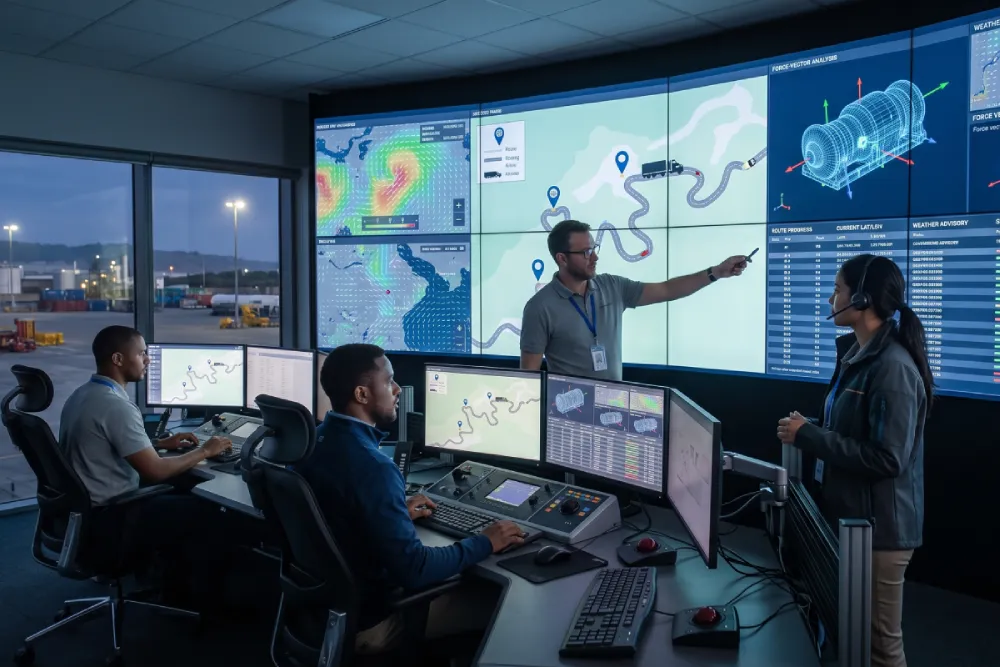
پیش از شروع هرگونه عملیاتی برای حمل محموله ترافیکی، مهندسین شرکت حمل و نقل آپادانا اقدام به بررسی میدانی و نقشه‌برداری دقیق از مسیر مبدأ تا مقصد می‌کنند. این تیم تمامی پل‌ها، تونل‌ها، عرض جاده‌ها و موانع هوایی را می‌سنجند و در صورت نیاز، اقدام به تقویت موقت پل‌ها یا هماهنگی برای باز کردن گاردریل‌ها و جابجایی کابل‌های برق می‌کنند تا مسیر برای عبور ایمن بار کاملاً آماده شود.

2- استفاده از ناوگان مدرن در حمل و نقل زمینی

داشتن ناوگانی قدرتمند و به‌روز، برگ برنده هر شرکت لجستیکی است. شرکت حمل و نقل آپادانا با در اختیار داشتن انواع کمرشکن‌های چند محوره، بوژی‌ها و کشنده‌های قدرتمند، توانایی اجرای سنگین‌ترین پروژه‌های حمل و نقل زمینی را داراست. این ناوگان مجهز به سیستم‌های تعلیق پیشرفته هستند که می‌توانند ضربات جاده را خنثی کرده و بار را در نهایت سلامت به مقصد برسانند.

3- تیم تخصصی اخذ مجوز و اسکورت حرفه‌ای

برای جلوگیری از اتلاف وقت در بروکراسی‌های اداری، تیم حقوقی و اجرایی شرکت، تمامی مراحل دریافت پروانه‌های ترافیکی را در سریع‌ترین زمان ممکن انجام می‌دهد. همچنین، در زمان حمل محموله ترافیکی، خودروهای اسکورت مجهز به چراغ‌های گردان و علائم هشداردهنده در جلو و عقب ناوگان حرکت می‌کنند تا ایمنی جاده و سایر خودروهای عبوری به طور کامل تأمین شود.

4- ارائه بیمه‌نامه‌های معتبر و جامع کالا

با توجه به ارزش مالی بسیار بالای تجهیزات پروژه‌ای، شرکت حمل و نقل آپادانا پیش از آغاز حرکت، تمامی محموله‌ها را تحت پوشش کامل‌ترین بیمه‌نامه‌های باربری قرار می‌دهد. این موضوع باعث می‌شود که کارفرمایان با خیالی آسوده و بدون نگرانی از خسارات احتمالی، پروژه‌های خود را پیش ببرند و دغدغه‌ای بابت حوادث پیش‌بینی نشده نداشته باشند.

حمل محموله ترافیکی

نقش حمل و نقل بین المللی در پروژه‌های عظیم

بسیاری از تجهیزات و ماشین‌آلات پروژه‌ای در داخل کشور تولید نمی‌شوند و باید از کشورهای دیگر وارد شوند. اینجاست که اهمیت حمل و نقل بین المللی به شدت پررنگ می‌شود. در این نوع حمل و نقل، محموله باید مسیرهای طولانی را از طریق دریا، ریل و سپس جاده طی کند که به آن حمل و نقل ترکیبی (Multimodal) می‌گویند.

مدیریت حمل محموله ترافیکی در بستر بین‌المللی نیازمند دانش عمیق قوانین گمرکی کشورهای مبدأ، ترانزیت و مقصد است. هماهنگی زمان‌بندی رسیدن کشتی‌ها به بنادر با حضور ناوگان‌های حمل و نقل زمینی در اسکله برای بارگیری مستقیم، هنری است که شرکت‌های معتبر لجستیکی با بهره‌گیری از شبکه‌های گسترده جهانی خود آن را به بهترین شکل اجرا می‌کنند.

سوالات متداول درباره حمل محموله ترافیکی


محموله ترافیکی دقیقاً به چه بارهایی گفته می‌شود؟

به بارهایی که ابعاد، وزن و حجم آن‌ها فراتر از ظرفیت استاندارد و قانونی کامیون‌ها و جاده‌های عادی باشد، محموله ترافیکی گفته می‌شود. این بارها شامل قطعات بزرگ کارخانجات، توربین‌ها، ماشین‌آلات معدنی و سازه‌های غول‌پیکر فلزی هستند.

آیا برای حمل محموله ترافیکی به مجوز خاصی نیاز است؟

بله، برای جابجایی این محموله‌ها در جاده‌های کشور، اخذ “پروانه عبور بار ترافیکی” از وزارت راه و شهرسازی و همچنین هماهنگی دقیق با پلیس راهور برای تعیین مسیر، زمان حرکت و نیاز به خودروی اسکورت الزامی است.

بهترین روش برای اطمینان از سلامت این محموله‌ها چیست؟

بهترین کار، سپردن صفر تا صد عملیات به یک شرکت لجستیک معتبر مانند شرکت حمل و نقل آپادانا است که ضمن دارا بودن ناوگان تخصصی و تیم نقشه‌برداری مسیر، محموله را با بیمه‌نامه‌های کامل و جامع تضمین کند.

حمل محموله ترافیکی

جمع‌بندی

در این مقاله به بررسی یکی از پیچیده‌ترین شاخه‌های لجستیک پرداختیم و گفتیم که حمل محموله ترافیکی چیست و چه تفاوت‌هایی با جابجایی بارهای عادی دارد. با هم مهم‌ترین چالش‌های این مسیر از جمله وضعیت جاده‌ها، مجوزها، آب و هوا و ایمنی را بررسی کردیم تا با سختی‌های این کار آشنا شوید.

در ادامه به بررسی راهکارهای عملی پرداختیم و نقش تیم‌های مهندسی مسیر و ناوگان‌های قدرتمند حمل و نقل زمینی را توضیح دادیم. همچنین به اهمیت حمل و نقل بین المللی در واردات و جابجایی محموله‌های غول‌پیکر اشاره کردیم و دیدیم که یک شرکت حرفه‌ای چگونه این موانع را از سر راه برمی‌دارد. امیدواریم این مقاله به شما کمک کرده باشد که با چالش‌ها و راهکارهای این حوزه تخصصی به خوبی آشنا شوید و در زمان اجرای پروژه‌های عظیم صنعتی، با دیدی بازتر و اطلاعاتی جامع‌تر بهترین تصمیمات را برای مدیریت لجستیک پروژه‌های خود اتخاذ کنید.

دیدگاهتان را بنویسید

نشانی ایمیل شما منتشر نخواهد شد. بخش‌های موردنیاز علامت‌گذاری شده‌اند *

In the complex and expansive world of modern trade and industry, the transportation of goods is one of the main pillars of success for any business or large-scale operation. But when it comes to massive industrial machinery, wind turbines, refinery components, or oversized construction equipment, the rules of the game change entirely. Standard logistics methods are no longer sufficient, and we are faced with a highly specialized and sensitive operation. You may have seen massive trailers on the highway, escorted by specialized vehicles, carrying unusually large loads; this is exactly the domain we are going to explore.

Project cargo logistics is one of the most complex, demanding, and sensitive branches of the supply chain. It requires meticulous planning, specialized equipment, and high-level engineering knowledge. The slightest mistake in this process can lead to irreparable financial losses and even put lives at risk, halting national or global projects. That is why entrusting this critical task to a reputable firm like Apadana Transport Company is of utmost importance.

In this comprehensive article, we will discuss the main hurdles faced in Project cargo logistics and how leading companies utilize modern solutions to overcome them. So, if you are looking to gain a deeper understanding of this specialized field and learn about practical solutions for moving heavy freight, we invite you to read on until the end.

Project cargo logistics

What is Project and Oversized Cargo?

Before diving into the obstacles and solutions, it is essential to understand what qualifies as project or oversized cargo. Simply put, any load whose dimensions (length, width, height) or weight exceed the standard legal limits for regular commercial freight vehicles falls into this category. These loads cannot be transported by standard trucks or trailers and require specialized fleets, such as multi-axle trailers (modular transporters) and lowboys.

This type of cargo typically includes oil, gas, and petrochemical equipment, heavy mining and construction machinery, massive steel structures, giant electrical transformers, and power plant components. Executing a successful Project cargo logistics operation requires extensive coordination with various authorities, such as traffic police and transportation ministries, to ensure the freight moves with the lowest possible risk and the highest safety standards.

What Are the Main Challenges in Project Cargo Logistics?

Now that you are familiar with the concept of these loads, you should know what obstacles transportation companies face when executing these massive projects. Understanding these challenges helps us appreciate the sheer complexity of the job. Below, we will review the most critical factors that can disrupt Project cargo logistics.

1- Road Infrastructure and Route Limitations

The first and most significant challenge in Project cargo logistics is the condition of roads and infrastructure. Giant loads cannot travel on just any highway. Bridges with low weight capacities, low-clearance tunnels, sharp turns on mountain roads, and non-standard gradients are all obstacles that can slow down or completely halt a fleet. Even low-hanging city power lines can present a major hurdle during the land transportation of highly elevated cargo.

2- The Complex Process of Legal and Customs Permits

Another major issue logistics companies face is bureaucratic red tape and acquiring the necessary transport permits. For Project cargo logistics, the company must obtain special transit licenses. This permit dictates exact travel times (often restricting movement to specific days or hours to avoid traffic jams), approved routes, and maximum speeds. Coordinating with highway patrols and escort teams to accompany the convoy is also time-consuming and requires significant expertise.

3- Unfavorable Weather Conditions

Weather variations have a direct and severe impact on the logistics of heavy loads. Snow, heavy rain, icy roads, strong winds, and dense fog create numerous hazards when transporting payloads weighing hundreds of tons. In many cases, unexpected severe weather forces Project cargo logistics operations to pause for days to ensure the cargo is not put at risk.

4- Cargo Safety and Damage Prevention

Project shipments usually consist of incredibly expensive, sensitive, and sometimes irreplaceable equipment. Properly lashing the load to the vehicle, preventing slippage, and accurately distributing the weight across the trailer’s axles is a monumental task. Any miscalculation in the cargo’s center of gravity can cause the fleet to tip over during braking or cornering, resulting in catastrophic failure.

5- Coordinating Specialized Heavy Machinery

Heavy loads require super-heavy cranes and specific lifting equipment for loading and unloading. Sometimes, these components must be imported from distant origins, requiring a seamless transfer from ocean vessels to land transporters. Coordinating port equipment, cranes, and trucking fleets for an uninterrupted Project cargo logistics workflow is a major concern in industrial project management.

Solutions by Apadana Transport Company to Overcome Challenges

So far, we have examined the various obstacles. The real question is: how can these barriers be successfully overcome? A professional logistics company, relying on its experience and specialized assets, can manage all these difficulties. Below, we introduce the strategies used by Apadana Transport Company to execute these projects flawlessly.

1- Precise Routing and Engineering Surveys

Before any movement begins in Project cargo logistics, the engineering team at Apadana Transport Company conducts field studies and meticulous surveys of the entire route from origin to destination. The team evaluates all bridges, tunnels, road widths, and overhead obstacles. If necessary, they reinforce bridges temporarily, arrange for the removal of guardrails, or coordinate the lifting of power lines to ensure the path is fully prepared for safe passage.

2- Utilizing a Modern Fleet for Land Transportation

Owning a powerful and modern fleet is the winning card for any logistics firm. By possessing a variety of multi-axle lowbeds, modular trailers (bogies), and high-capacity prime movers, Apadana Transport Company has the capability to execute the heaviest land transportation projects. These vehicles are equipped with advanced suspension systems that neutralize road shocks, ensuring the cargo arrives at its destination in perfect condition.

3- Professional Permitting and Escort Teams

To avoid wasting time in administrative bureaucracy, the company’s legal and operational teams handle all steps of acquiring traffic permits in the fastest time possible. Furthermore, during the execution of Project cargo logistics, escort vehicles equipped with warning lights and signage travel ahead of and behind the convoy. This ensures complete safety for the cargo, the crew, and other vehicles on the road.

4- Comprehensive and Reliable Cargo Insurance

Given the incredibly high financial value of project equipment, Apadana Transport Company ensures that all loads are covered by the most comprehensive freight insurance policies before the journey begins. This allows clients to proceed with their projects with peace of mind, free from the worry of potential financial loss due to unforeseen accidents.

حمل محموله ترافیکی

The Role of International Transportation in Mega Projects

Many heavy project components and industrial machines are not manufactured domestically and must be imported from other countries. This is where the importance of international transportation becomes highly prominent. In these scenarios, the cargo must travel long distances via ocean freight, rail, and finally road—a process known as multimodal logistics.

Managing Project cargo logistics on a global scale requires deep knowledge of the customs regulations of the country of origin, transit zones, and the final destination. Synchronizing the arrival times of cargo ships at ports with the readiness of land transportation fleets at the docks for direct discharge is an art. Reputable logistics companies achieve this seamlessly by leveraging their extensive global networks.

Frequently Asked Questions About Project Cargo Logistics

What exactly is considered project or oversized cargo?

Any cargo whose dimensions, weight, and volume exceed the standard legal capacity of regular trucks and conventional roads is considered project or oversized cargo. This includes massive factory components, wind turbines, mining machinery, and giant steel structures.

Are special permits required for Project cargo logistics?

Yes. Transporting these loads on public highways requires obtaining an “Oversized Load Permit” from transportation authorities, as well as strict coordination with traffic police to determine the allowed route, time of travel, and escort requirements.

What is the best way to ensure the safety of these shipments?

The best approach is to entrust the entire operation to a highly reputable logistics provider like Apadana Transport Company. They utilize specialized fleets, conduct thorough route engineering, and guarantee the shipment with comprehensive insurance coverage.

حمل محموله ترافیکی

Conclusion

In this article, we explored one of the most complex branches of the supply chain and defined what Project cargo logistics is and how it differs from moving regular freight. We reviewed the most significant challenges on this journey, including road conditions, legal permits, weather, and safety, to give you a clear picture of the difficulties involved.

Furthermore, we discussed practical solutions, highlighting the crucial role of route engineering teams and powerful fleets in land transportation. We also touched upon the importance of international transportation in importing giant industrial payloads, demonstrating how a professional company overcomes these hurdles. We hope this article has helped you thoroughly understand the challenges and solutions in this specialized field, allowing you to make informed and effective decisions for managing logistics in your upcoming mega projects.

دیدگاهتان را بنویسید

نشانی ایمیل شما منتشر نخواهد شد. بخش‌های موردنیاز علامت‌گذاری شده‌اند *