




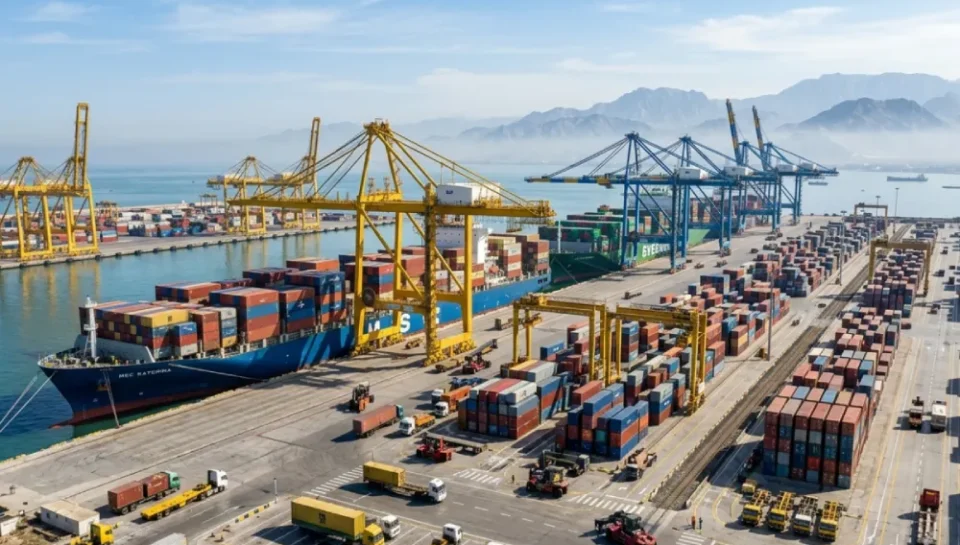
The strategic geographical location of Iran makes it a vital hub in global trade, bridging East and West, North and South. Positioned between the Caspian Sea to the north and the Persian Gulf and Gulf of Oman to the south, Iran offers critical maritime gateways for regional and global trade. The country’s ports are the lifelines of its economy, facilitating the vast majority of its export and import activities.
To move cargo efficiently from these coastal gateways to inland destinations or neighboring countries, a robust multimodal infrastructure is required. The integration of road freight, rail freight, and sometimes air freight ensures that goods flow seamlessly. For businesses operating globally, partnering with an experienced international transport company is essential to navigate these routes and leverage the potential of international transit.
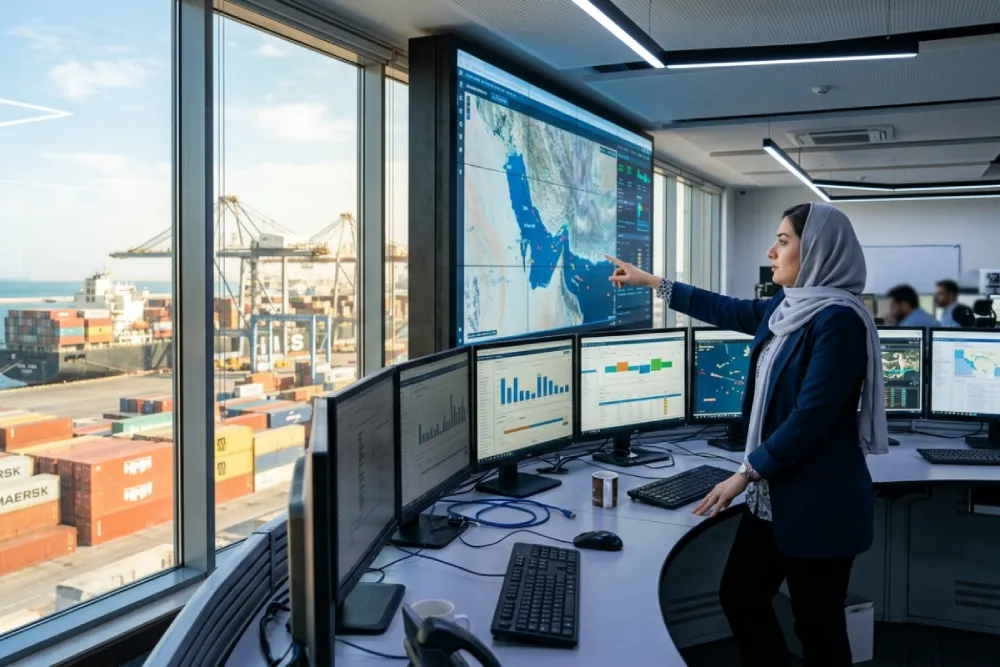
Major Southern Iranian Ports: Gateway to Open Oceans
The southern ports of Iran handle the lion’s share of the country’s maritime trade. These ports offer direct access to international waters and key global shipping lanes.
Shahid Rajaee Port (Bandar Abbas)
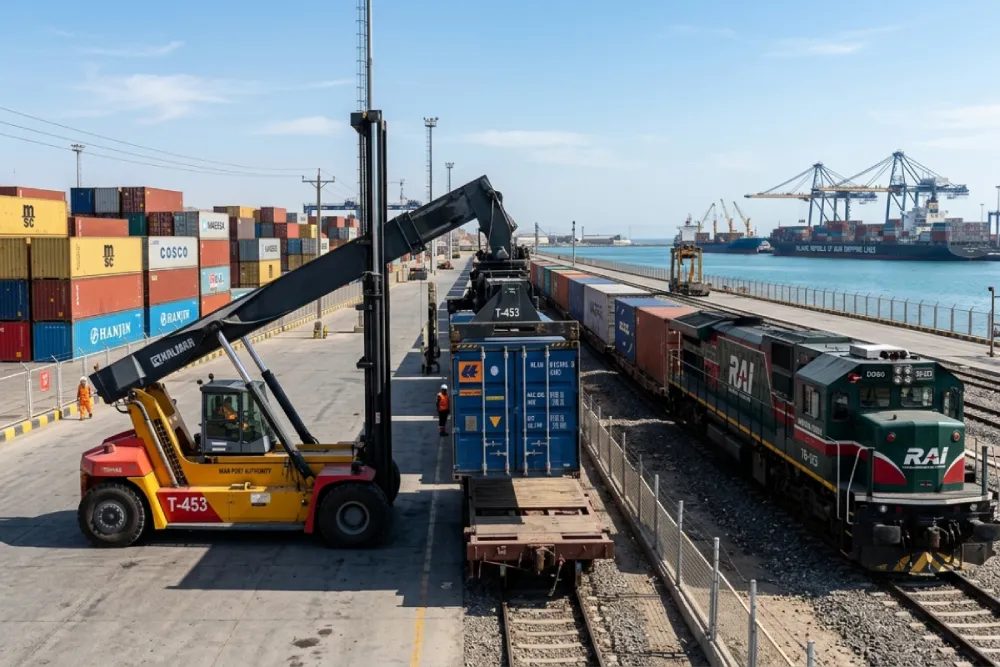
Located in Hormozgan province, Shahid Rajaee Port is Iran’s largest and most advanced container terminal. Handling over half of the country’s seaborne trade, it is equipped with modern container handling facilities. The port is directly linked to the national railway system, enabling smooth rail freight options to move goods further inland. This makes it a preferred hub for any international transport company operating in the region.
Imam Khomeini Port
Situated in Khuzestan province at the northwestern tip of the Persian Gulf, Imam Khomeini Port is the primary hub for bulk cargo and essential goods such as grain, minerals, and petrochemicals. Its proximity to major industrial zones and its strong connection to the nationwide road network make road freight distribution fast and cost-effective.
Chabahar Port (Shahid Beheshti)
Chabahar is Iran’s only oceanic port, located on the coast of the Gulf of Oman. Its strategic position outside the Strait of Hormuz makes it a secure and highly attractive transit corridor. Chabahar plays a monumental role in international transit, serving as the shortest and most economical trade route for landlocked countries like Afghanistan and Central Asian nations to access global markets.
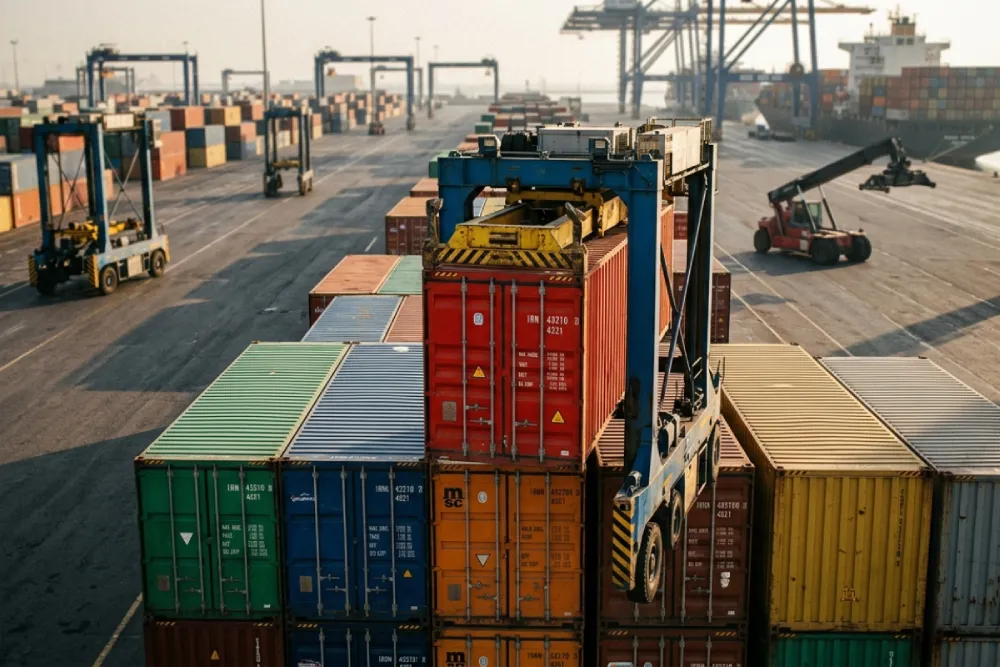
Strategic Northern Ports: Bridging the Caspian Sea Region
Iran’s northern coast along the Caspian Sea serves as a critical trade link with Russia, Azerbaijan, Kazakhstan, and Turkmenistan.
Anzali Port
Anzali Port in Gilan province is one of the oldest and most active commercial ports in the Caspian region. It features excellent infrastructure for handling general cargo, wood, and steel products, driving trade along the International North-South Transport Corridor (INSTC).
Amirabad Port
Located in Mazandaran province, Amirabad Port is the largest port facility on the Caspian Sea and a designated Special Economic Zone. It is uniquely equipped with a Ro-Ro rail pier, allowing train wagons to roll directly onto vessels, bridging ocean freight and railway cargo movements seamlessly.
Integrating Multimodal Logistics for Seamless Trade
Maximizing the efficiency of these gateways requires a smart mix of transport methods. A reliable logistics partner coordinates various channels to keep cargo moving without delays:
- Ocean freight: The backbone of global trade, carrying high-volume goods to and from Iranian ports.
- Road freight: Providing flexible, door-to-door delivery from ports to regional markets.
- Rail freight: Delivering high-capacity, environmentally friendly transportation over long distances.
- Air freight: Responding to urgent shipment demands for high-value or perishable products.
Through these combined methods, businesses can ensure that their international transit cargo reaches its destination safely, on time, and within budget.
Conclusion
Understanding the capabilities of key ports is vital for optimizing your supply chain in the region. Whether you are exporting minerals or importing consumer goods, selecting the right port and logistics partner can significantly reduce transit times and operational costs.