
In cross-border trade, commercial success rarely hinges solely on buying low and selling high; profit margins are fundamentally made or lost inside logistics channels. For decades, commercial warehouses were treated as static holding depots—mere storage sheds designed to stockpile pallets until distribution. Today, rising fuel prices, shifting consumer expectations, and unpredictable trade corridors have transformed facilities into vital operational hubs that actively optimize capital velocity.
Every extra hour container equipment spends idling at maritime quaysides, every cubic metre of misallocated depot volume, and every bottleneck in cargo transfers chips away at an enterprise’s working balance. Transitioning to advanced storage infrastructure is no longer just an administrative upgrade; it is an indispensable strategy for minimizing hidden supply chain leakages. By examining modern warehousing through an operational lens, businesses can understand how smart storage facilities directly improve balance sheets.
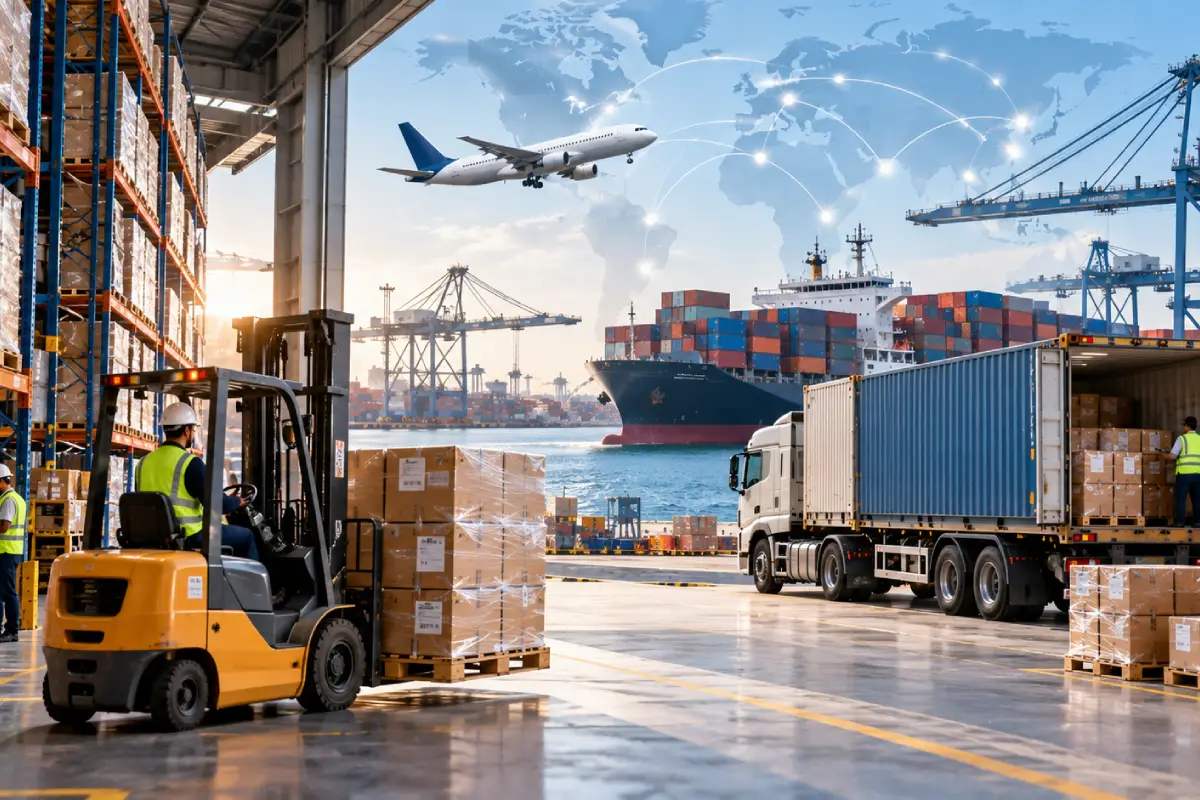
Moving Beyond Passive Storage Facilities
Conventional storage operated on fragmented record-keeping, manual counts, and unguided floor layouts—frameworks inherently plagued by shipment variances, shrinkage, and costly handling errors. Conversely, modern storage facilities operate on high-grade Warehouse Management Systems (WMS), Radio-Frequency Identification (RFID), autonomous sortation, and algorithmic inventory placement.
In contemporary distribution ecosystems, the facility serves as an agile node for cargo consolidation, export-grade repackaging, localized pallet configuration, and tight climate tracking for sensitive cargo. When paired with structured international warehousing frameworks, enterprises can position strategic buffers at regional trade gateways and special economic zones without incurring full import clearances ahead of customer demand. This buffer model prevents the need for emergency, high-cost air freight dispatches.
Structural Channels Driving Cost Reductions
How does sophisticated warehouse infrastructure directly compress operating expenditure? The cost reductions occur across four primary operational areas:
1. Eliminating Demurrage and Container Detention Penalties
Importers regularly face severe cost leaks at marine container terminals when inward customs inspections stall or on-site port yards reach capacity. Modern bonded off-dock terminals allow operators to de-stuff marine boxes rapidly, releasing specialized container gear back to shipping lines within free-time limits and holding cargo under bonded supervision without ocean carrier penalties.
2. Maximizing Vertical Capacity and Real Estate Efficiency
In prime transport corridors and metropolitan cargo hubs, footprint rental costs are constantly climbing. Advanced facilities replace spread-out floor layouts with high-bay selective racking, very-narrow-aisle (VNA) equipment, and multi-tier mezzanines. Maximizing vertical clearance allows businesses to house up to three times more inventory within the same geographical perimeter, slashing the carrying cost per pallet.
3. Mitigating Material Wastage and Cargo Breakage
Manual sorting and poorly planned forklift routes remain primary sources of cargo damage. Integrating barcode validation, automated roller conveyors, and standardized load containment drops damage rates below 0.5%. Fewer damage claims mean lower cargo insurance premiums and fewer customer service disputes.
4. Improving Cash Flow via Bonded Storage Structures
Bonded depots give importers significant financial flexibility. Rather than paying all customs tariffs, commercial duties, and value-added tax at the port of arrival, consignees defer tax liabilities until items are dispatched for domestic distribution. This allows companies to release goods incrementally as orders are fulfilled, easing working capital pressure.
Aligning International Storage with Inward Transit Logistics
Warehouses cannot function effectively as isolated outposts; they must be closely linked with inbound and outbound freight networks. Connecting bonded facilities directly with specialized transit services allows importers to move goods seamlessly under customs seals from busy coastal seaports to dedicated inland distribution points.
Consider an industrial assembler: rather than settling import duties at a congested coastal port, cargo can be placed under inward transit directly into a dedicated bonded storage depot adjacent to the manufacturing plant. The assembler clears components only as production schedules demand, minimizing idle capital and safeguarding goods in a controlled environment.
The Role of Integrated Multimodal Freight Partners
Running storage hubs independently from freight operations inevitably creates scheduling friction. If highway carriers miss dock appointments (Cross-Docking), or if maritime waybills are disconnected from warehouse stock codes, the entire logistics line slows down, resulting in costly administrative delays.
Engaging an established international transport company with balanced road, rail, ocean, and air capabilities unifies cargo tracking. Experienced providers, such as Apadana transport company, streamline this journey by bridging global freight handoffs with secure terminal storage.
For complex industrial projects, establishing end-to-end logistics management offers total operational transparency. Consignors can monitor pipeline stock, assets in transit, border clearances, and inland delivery from a single operational platform.
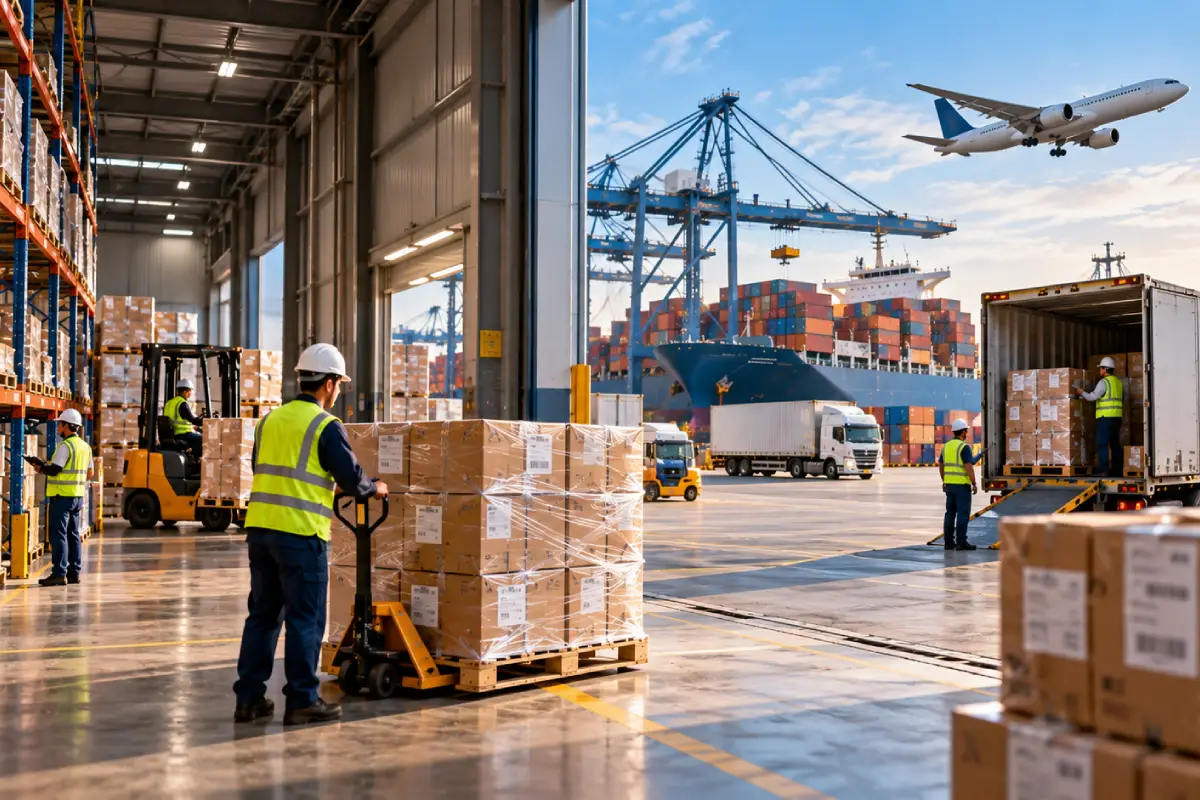
Traditional vs. Modern Warehousing: Operational Comparison
| Evaluation Metric | Traditional Storage | Modern Warehousing |
|---|---|---|
| Inventory Tracking | Manual ledgers, disconnected spreadsheets | Dynamic WMS platforms, RFID, and 2D barcoding |
| Vertical Space Utilization | Horizontal floor storage with empty overhead clearance | High-bay racking structures and high-density vertical systems |
| Cargo Staging Velocity | Slow handling, leading to extended container dwell time | Rapid turnaround via cross-docking infrastructure |
| Tariff & Duty Flexibility | Full duty settlement required immediately at border | Duty-deferred bonded storage until final market dispatch |
| Handling Damage Rates | Elevated due to erratic manual loading | Minimized through guided automated material handling (AMH) |
Common Pitfalls in Warehousing Strategy
Avoiding frequent operational mistakes helps companies protect their logistics budgets:
- Prioritizing Low Floor Rates Over Location and Design: Leasing an inexpensive warehouse that lacks proper dock levelers, adequate turning radius for heavy trailers, or certified sprinkler lines inevitably increases transportation and cargo insurance expenses.
- Disconnected IT Architectures: Operating a warehouse system that cannot interface with your company’s core ERP software or customs databases leads to continuous inventory discrepancies and costly delivery delays.
- Overlooking Regulated Storage Requirements: Storing dangerous goods (ADR/IMDG), chemicals, or perishable pharmaceuticals in facilities without proper environmental controls puts consignments at risk of regulatory rejection and invalidates insurance coverage.
Frequently Asked Questions (FAQ)
How does bonded international warehousing differ from standard warehousing?
Bonded facilities allow uncleared foreign goods to be received and held under customs supervision with all import tariffs, excise duties, and VAT deferred until the products enter domestic distribution or are re-exported. Standard domestic warehouses only store cargo that has already been cleared through customs.
What is cross-docking, and how does it reduce operating costs?
Cross-docking is a logistics process where inbound shipments are unloaded, sorted, and loaded directly onto outbound trailers or railcars with zero or minimal intermediate storage time. This approach virtually eliminates long-term holding fees, picking expenses, and excessive handling.
How does a Warehouse Management System (WMS) control handling costs?
A WMS automates bin locations, guides picking paths, monitors SKU shelf-life (FIFO/FEFO), and provides real-time stock counts. This automation eliminates lost items, reduces manual handling errors, and speeds up truck loading and unloading cycles.
Can goods held in bonded storage undergo light processing?
Yes. Depending on local customs approvals, operators can perform light value-adding operations within bonded facilities, such as repacking, labeling, barcode application, inspection, and sorting, without triggering immediate import duties.