
در دنیای امروز که سرعت، امنیت و بهینهسازی هزینهها سه عامل تعیینکننده در جابهجایی کالا هستند، انتخاب روش مناسب برای حمل بار اهمیت بسیار زیادی دارد. بسیاری از شرکتها و بازرگانان هنگام برنامهریزی برای صادرات و واردات، با این سوال مواجه میشوند که کدام روش حمل، هم قابل اعتمادتر است و هم در بلندمدت صرفه اقتصادی بیشتری دارد. در میان گزینههای مختلف، حمل و نقل ریلی بین المللی بهعنوان یکی از امنترین و کارآمدترین روشهای انتقال کالا شناخته میشود.
وقتی صحبت از تجارت فرامرزی به میان میآید، فقط رسیدن کالا به مقصد مهم نیست؛ بلکه سالم رسیدن، بهموقع رسیدن و کاهش ریسکهای مسیر نیز اهمیت بالایی دارد. در بسیاری از مسیرهای طولانی، بهخصوص برای حمل بارهای حجیم، سنگین یا منظم، حمل و نقل ریلی میتواند راهحلی هوشمندانه باشد. این روش در مقایسه با بعضی شیوهها، ثبات بیشتری دارد و کمتر تحت تاثیر ترافیک جادهای، محدودیتهای مسیر یا نوسانات عملیاتی قرار میگیرد.
برای بسیاری از صاحبان کالا، ترس از خسارت، تاخیر، گم شدن محموله یا افزایش ناگهانی هزینهها یک دغدغه واقعی است. به همین دلیل، شناخت دقیق مزایا، محدودیتها و کاربردهای حمل و نقل ریلی بین المللی میتواند به تصمیمگیری بهتر کمک کند. در این مقاله، بهصورت کامل بررسی میکنیم که چرا این روش یکی از ایمنترین شیوههای انتقال کالا در تجارت جهانی است، چه مزایایی دارد، برای چه بارهایی مناسبتر است و چگونه میتوان از آن در کنار سایر روشهای حمل و نقل بین المللی استفاده کرد.
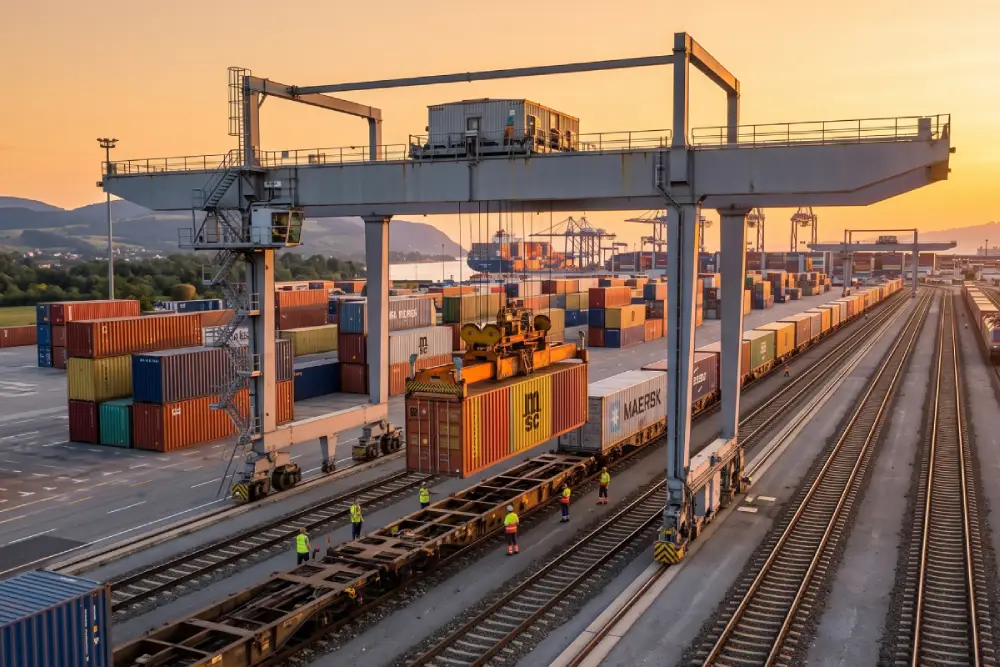
حمل و نقل ریلی بین المللی چیست؟
حمل و نقل ریلی بین المللی به جابهجایی کالا میان دو یا چند کشور از طریق شبکه راهآهن گفته میشود. در این روش، محمولهها با استفاده از واگنهای باری، کانتینرها یا تجهیزات تخصصی ریلی از مبدا به مقصد منتقل میشوند. این مدل حمل، بهویژه در مسیرهایی که زیرساخت ریلی قوی دارند، یکی از گزینههای بسیار قابل اتکا برای تجارت خارجی است.
برخلاف تصور برخی افراد، حمل و نقل ریلی فقط مناسب بارهای بسیار بزرگ یا صنعتی نیست. امروزه طیف گستردهای از کالاها، از مواد اولیه و ماشینآلات گرفته تا محصولات مصرفی، مواد معدنی، کالاهای کانتینری و حتی برخی کالاهای حساس، میتوانند از طریق ریل جابهجا شوند. نکته مهم این است که نوع کالا، مسیر، زمانبندی و شرایط گمرکی باید بهدرستی بررسی شوند.
در بسیاری از کریدورهای تجاری، حمل ریلی بهعنوان حلقهای مهم در زنجیره تامین شناخته میشود. حتی در مواردی که کالا با کشتی یا کامیون به بخشی از مسیر میرسد، بخش ریلی میتواند نقش اصلی را در انتقال ایمن و اقتصادی بر عهده بگیرد. به همین دلیل، شرکتهای فعال در حوزه حمل و نقل بین المللی معمولاً نگاه ترکیبی و چندوجهی به حمل کالا دارند.
چرا حمل و نقل ریلی بین المللی ایمنترین روش انتقال کالا محسوب میشود؟
یکی از مهمترین دلایلی که حمل و نقل ریلی بین المللی را به گزینهای مطمئن تبدیل میکند، کنترلپذیری بالای مسیر است. قطارها در خطوط مشخص حرکت میکنند و برخلاف جاده، با ترافیک روزمره، انحرافهای متعدد و ریسکهای ناشی از رانندگی مداوم در مسیرهای طولانی روبهرو نیستند. همین موضوع احتمال بروز حادثه، تاخیر یا آسیب به محموله را کاهش میدهد.
عامل مهم دیگر، ثبات عملیاتی است. برنامه حرکت قطارها معمولاً از نظم بیشتری نسبت به بسیاری از روشهای دیگر برخوردار است. وقتی کالا روی واگن یا در کانتینر ریلی بارگیری میشود، جابهجاییهای اضافی کمتر خواهد بود و این یعنی احتمال ضربه، شکستگی یا دستکاری محموله کاهش پیدا میکند.
از نظر امنیت فیزیکی نیز مسیر ریلی مزایای قابل توجهی دارد. ایستگاهها، پایانهها و کریدورهای ریلی معمولاً تحت نظارت هستند و دسترسی به محموله در طول مسیر کنترلشدهتر از برخی روشهای دیگر است. این موضوع برای کالاهایی که ارزش بالایی دارند یا باید با حساسیت بیشتری منتقل شوند، بسیار مهم است.
کاهش ریسک تصادف و خسارت
در حمل و نقل زمینی جادهای، کامیونها با چالشهایی مثل تصادف، شرایط نامساعد جوی، ترافیک، خستگی راننده و محدودیتهای جادهای روبهرو هستند. البته این روش همچنان در بسیاری از مسیرها ضروری و کاربردی است، اما از نظر آماری، حمل ریلی در بسیاری از موارد ریسک کمتری دارد.
قطارها روی مسیر اختصاصی حرکت میکنند و این موضوع باعث میشود احتمال برخورد یا حوادث ناشی از عوامل انسانی کمتر شود. همچنین تکانهای یکنواختتر و کنترل بهتر بار در واگنها میتواند از آسیب دیدن برخی کالاها جلوگیری کند.
نظارت بهتر بر محموله
در پروژههای حرفهای حمل و نقل بین المللی، قابلیت رهگیری و مدیریت محموله اهمیت زیادی دارد. در حمل ریلی، بهدلیل ساختار منظمتر عملیات، ثبت اطلاعات بار، زمان حرکت، نقاط توقف و زمان تخمینی رسیدن معمولاً دقیقتر انجام میشود. این شفافیت به صاحبان کالا آرامش خاطر بیشتری میدهد.
کاهش دفعات بارگیری و تخلیه
هر بار که یک محموله جابهجا، بارگیری مجدد یا تخلیه میشود، احتمال آسیب افزایش پیدا میکند. یکی از امتیازهای حمل و نقل ریلی بین المللی این است که در بسیاری از مسیرها، کالا پس از بارگیری اولیه با حداقل جابهجایی اضافی به مقصد یا به هاب بعدی منتقل میشود. این ویژگی بهخصوص برای کالاهای حساس، شکستنی یا بستهبندیشده اهمیت زیادی دارد.
مهمترین مزایای حمل و نقل ریلی بین المللی
امنیت بالا فقط یکی از مزایای این روش است. در عمل، حمل و نقل ریلی بین المللی مجموعهای از امتیازها را در اختیار کسبوکارها قرار میدهد که میتواند بر هزینه، زمان، کیفیت خدمات و رضایت مشتری نهایی تاثیر بگذارد.
1. صرفه اقتصادی در مسیرهای طولانی
برای بارهای حجیم و سنگین، حمل ریلی در بسیاری از مسیرها میتواند از نظر هزینه بسیار بهصرفه باشد. وقتی حجم بار بالا میرود، هزینه حمل به ازای هر واحد کالا معمولاً منطقیتر میشود. به همین دلیل، بسیاری از صنایع بزرگ برای انتقال مواد اولیه یا محصولات خود به این روش تکیه میکنند.
2. مناسب برای بارهای سنگین و حجیم
ماشینآلات صنعتی، مواد معدنی، فلزات، چوب، محصولات پتروشیمی، غلات و کانتینرهای بزرگ از جمله بارهایی هستند که با حمل و نقل ریلی سازگاری بالایی دارند. اگر کسبوکار شما با محمولههای حجیم سروکار دارد، این روش میتواند انتخابی بسیار کاربردی باشد.
3. ثبات بیشتر در زمانبندی
برنامهریزی دقیق در زنجیره تامین اهمیت حیاتی دارد. تاخیر در رسیدن مواد اولیه یا کالاهای آماده فروش میتواند به زیانهای مالی منجر شود. حمل ریلی معمولاً در مقایسه با حمل و نقل زمینی در مسیرهای شلوغ یا طولانی، ثبات بیشتری در زمانبندی ارائه میدهد.
4. گزینهای سازگارتر با محیط زیست
یکی از دلایلی که در سالهای اخیر توجه به حمل و نقل ریلی بین المللی افزایش یافته، مصرف انرژی بهینهتر و آلایندگی کمتر آن در مقایسه با برخی روشهای جادهای است. بسیاری از شرکتها امروز فقط به هزینه و سرعت نگاه نمیکنند؛ بلکه مسئولیتپذیری زیستمحیطی هم برایشان اهمیت دارد.
5. امکان استفاده در حمل ترکیبی
در بسیاری از عملیاتهای حرفهای، حمل ریلی بهتنهایی انجام نمیشود. ممکن است کالا ابتدا با کامیون از کارخانه به پایانه منتقل شود، سپس بخش اصلی مسیر را با قطار طی کند و در نهایت دوباره با کامیون به مقصد نهایی برسد. این مدل ترکیبی باعث میشود مزایای حمل و نقل ریلی و حمل و نقل زمینی بهصورت همزمان استفاده شوند.
حمل و نقل ریلی بین المللی برای چه کالاهایی مناسب است؟
هرچند این روش مزایای زیادی دارد، اما برای انتخاب درست باید دید چه نوع کالایی قرار است منتقل شود. بهطور کلی، بارهایی که حجم بالا، وزن زیاد، حساسیت متوسط تا پایین و برنامهریزی منظم دارند، گزینههای مناسبی برای حمل ریلی هستند.
کالاهای مناسب برای این روش معمولاً شامل موارد زیر میشوند:
- مواد اولیه کارخانهها
- محصولات فولادی و فلزی
- مواد معدنی
- غلات و محصولات کشاورزی فلهای
- ماشینآلات و تجهیزات صنعتی
- کانتینرهای صادراتی و وارداتی
- برخی کالاهای بستهبندیشده با حجم بالا
البته این به معنای محدود بودن کاربرد آن نیست. در بسیاری از مسیرها، با بستهبندی مناسب و برنامهریزی دقیق، کالاهای متنوعتری هم میتوانند از طریق ریل جابهجا شوند. یک شرکت متخصص مانند شرکت حمل و نقل اپادانا میتواند بر اساس نوع بار، کشور مبدا، مقصد و شرایط زمانی، بهترین روش را پیشنهاد دهد.
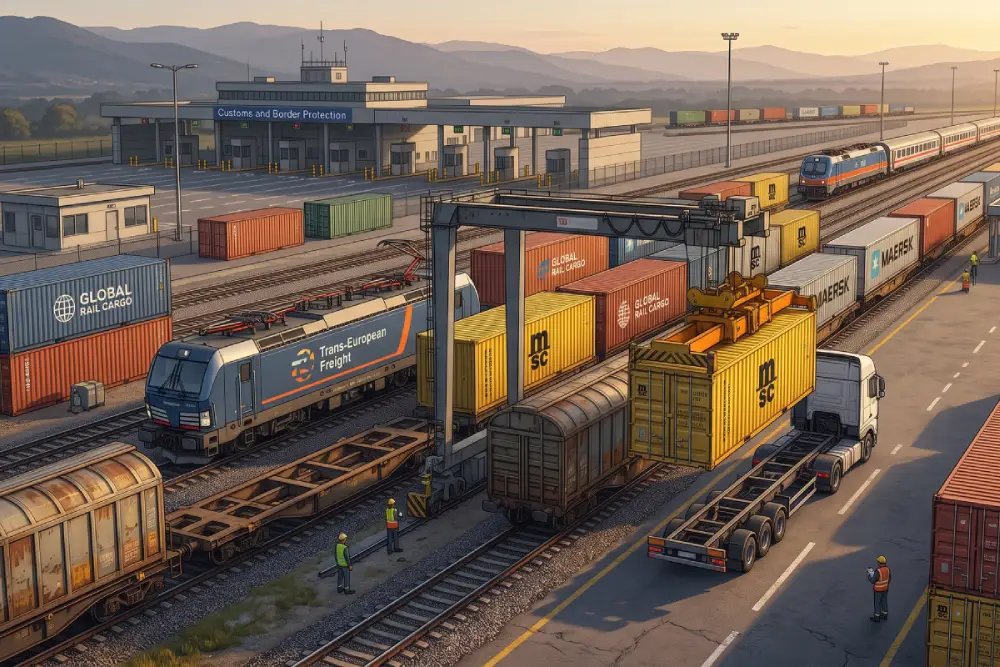
تفاوت حمل و نقل ریلی با حمل و نقل زمینی و سایر روشها
برای انتخاب بهترین روش، مقایسه واقعبینانه ضروری است. هیچ روشی برای همه شرایط بهترین نیست. اما در برخی سناریوها، حمل و نقل ریلی بین المللی مزیت واضحی نسبت به سایر گزینهها دارد.
مقایسه با حمل و نقل زمینی
حمل و نقل زمینی از انعطافپذیری بالایی برخوردار است و امکان تحویل درببهدرب را فراهم میکند. این ویژگی آن را برای بسیاری از محمولهها، بهخصوص در مسافتهای کوتاهتر یا مسیرهایی که شبکه ریلی کامل ندارند، بسیار ارزشمند میسازد. با این حال، در مسیرهای طولانی و برای بارهای سنگین، حمل ریلی معمولاً از نظر امنیت، ظرفیت و پایداری عملکرد بهتر ظاهر میشود.
مقایسه با حمل دریایی
حمل دریایی برای تجارت بینقارهای و بارهای بسیار بزرگ انتخابی مهم است، اما زمانبرتر است و به بنادر و فرآیندهای بندری وابستگی زیادی دارد. در برخی کریدورهای منطقهای، حمل ریلی میتواند سریعتر و قابل پیشبینیتر از حمل دریایی باشد.
مقایسه با حمل هوایی
حمل هوایی سریعترین روش است، اما هزینه بالایی دارد و برای بسیاری از کالاها از نظر اقتصادی بهصرفه نیست. اگر اولویت اصلی، امنیت بالا همراه با هزینه منطقیتر نسبت به هواپیما باشد، حمل و نقل ریلی بین المللی میتواند گزینهای متعادل و حرفهای باشد.
چالشهای حمل و نقل ریلی بین المللی
با وجود مزایای فراوان، این روش بدون چالش نیست. آگاهی از محدودیتها کمک میکند تصمیمگیری دقیقتری داشته باشید.
محدودیت پوشش شبکه ریلی
همه مبداها و مقصدها دسترسی مستقیم به راهآهن ندارند. در چنین شرایطی، نیاز به حمل ترکیبی بهوجود میآید. یعنی بخشی از مسیر با کامیون یا روش دیگر انجام میشود.
تفاوت مقررات و زیرساختها در کشورها
در حمل فرامرزی، قوانین گمرکی، استانداردهای فنی، نوع واگنها و حتی عرض خطوط در برخی کشورها میتواند متفاوت باشد. این موضوع نیازمند هماهنگی دقیق و تجربه عملیاتی است.
نیاز به برنامهریزی حرفهای
اگرچه حمل ریلی منظم است، اما برای استفاده بهینه از آن باید زمانبندی، رزرو ظرفیت، اسناد حمل، تشریفات گمرکی و هماهنگی بین مبدا و مقصد با دقت مدیریت شود. اینجاست که همکاری با یک مجموعه متخصص اهمیت زیادی پیدا میکند.
نقش شرکت حمل و نقل اپادانا در مدیریت حمل ریلی بین المللی
در بازار رقابتی امروز، فقط دسترسی به یک روش حمل کافی نیست؛ بلکه مهمتر از آن، توانایی طراحی بهترین مسیر و اجرای دقیق عملیات است. شرکت حمل و نقل اپادانا با فعالیت در حوزه حمل و نقل بین المللی از طریق روشهای زمینی، ریلی، دریایی و هوایی، میتواند برای صاحبان کالا راهکارهای متناسب با نیاز واقعی آنها ارائه دهد.
وقتی یک شرکت بهصورت چندوجهی فعالیت میکند، بهتر میتواند تشخیص دهد که آیا حمل و نقل ریلی بین المللی برای محموله شما بهترین انتخاب است یا باید از ترکیب آن با حمل و نقل زمینی یا سایر روشها استفاده شود. این نگاه تخصصی باعث میشود هم هزینهها بهتر کنترل شوند و هم ریسکهای عملیاتی کاهش یابند.
خدماتی که یک مجموعه حرفهای در این حوزه ارائه میدهد، معمولاً شامل بررسی مسیر، انتخاب مدل مناسب حمل، هماهنگیهای گمرکی، پیگیری وضعیت بار، مدیریت اسناد و ارائه مشاوره برای کاهش هزینه و زمان است. این موارد برای بازرگانان، تولیدکنندگان و واردکنندگان اهمیت بسیار زیادی دارد.
چگونه بهترین تصمیم را برای انتخاب حمل ریلی بگیریم؟
اگر قصد دارید برای انتقال کالا از حمل و نقل ریلی بین المللی استفاده کنید، بهتر است پیش از هر تصمیم، چند سوال کلیدی را بررسی کنید:
نوع کالای شما چیست؟
وزن، حجم، حساسیت، ارزش کالا و نوع بستهبندی تاثیر مستقیمی بر انتخاب روش حمل دارند.
مبدا و مقصد کجاست؟
وجود یا نبود زیرساخت ریلی در مسیر، تعیین میکند که حمل ریلی بهتنهایی کافی است یا باید با حمل و نقل زمینی ترکیب شود.
اولویت شما امنیت است یا سرعت؟
اگر سرعت فوقالعاده بالا مدنظر باشد، شاید حمل هوایی مناسبتر باشد. اما اگر بهدنبال تعادل بین امنیت، هزینه و زمان هستید، حمل ریلی گزینه بسیار خوبی است.
حجم محموله چقدر است؟
برای بارهای عمده، منظم و حجیم، حمل ریلی معمولاً مزایای اقتصادی بیشتری ایجاد میکند.
آیا به شریک اجرایی مطمئن دسترسی دارید؟
همکاری با مجموعهای باتجربه مانند شرکت حمل و نقل اپادانا میتواند از بروز بسیاری از خطاهای پرهزینه جلوگیری کند.
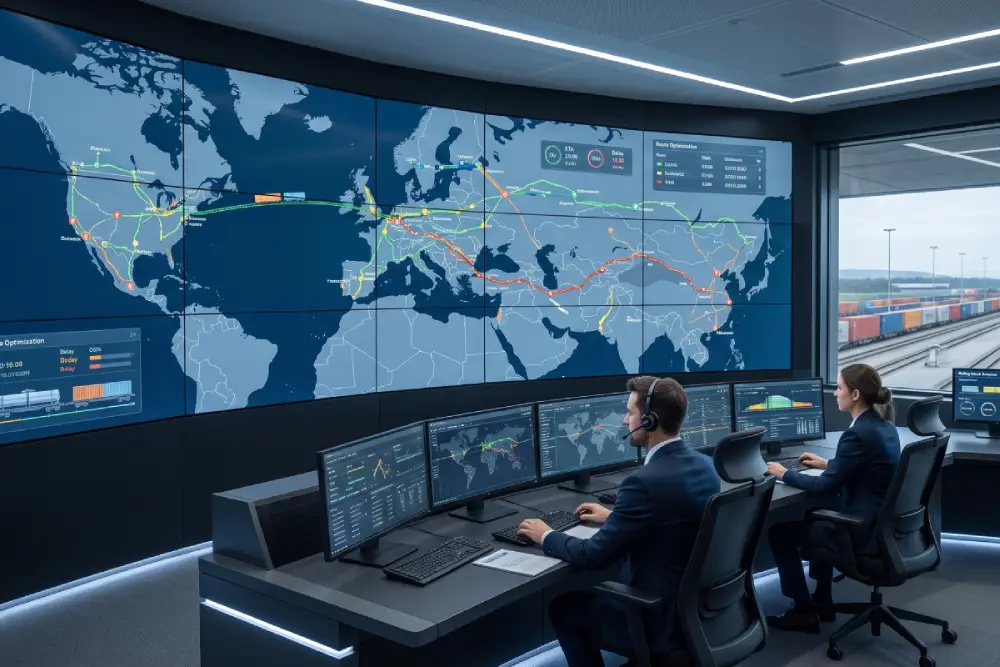
آینده حمل و نقل ریلی بین المللی
رشد تجارت منطقهای، توسعه کریدورهای ترانزیتی و افزایش توجه به روشهای پایدارتر حمل کالا باعث شده آینده حمل و نقل ریلی بین المللی روشنتر از گذشته باشد. بسیاری از کشورها در حال سرمایهگذاری روی زیرساختهای ریلی هستند تا هم هزینه لجستیک را کاهش دهند و هم مسیرهای امنتر و پایدارتر برای انتقال بار ایجاد کنند.
برای کسبوکارهایی که به دنبال کاهش ریسک، بهبود برنامهریزی و افزایش بهرهوری زنجیره تامین خود هستند، حمل ریلی دیگر فقط یک گزینه جایگزین نیست؛ بلکه در بسیاری از موارد، یک انتخاب استراتژیک است. هرچه پیچیدگی تجارت جهانی بیشتر میشود، نیاز به روشهایی که امنیت، ظرفیت و قابلیت پیشبینی بالاتری دارند نیز افزایش پیدا میکند.
جمعبندی
حمل و نقل ریلی بین المللی یکی از امنترین، منطقیترین و در بسیاری از مسیرها اقتصادیترین روشهای انتقال کالا در تجارت فرامرزی است. این روش با کاهش ریسکهای جادهای، ایجاد ثبات بیشتر در زمانبندی، امکان حمل بارهای حجیم و کمک به کاهش آسیبهای احتمالی به کالا، جایگاه مهمی در زنجیره تامین جهانی پیدا کرده است.
البته انتخاب بهترین روش حمل همیشه به نوع کالا، مسیر، زمان و بودجه بستگی دارد. گاهی حمل ریلی بهترین انتخاب است و گاهی ترکیب آن با سایر روشهای حمل و نقل بین المللی نتیجه بهتری میدهد. مهم این است که تصمیمگیری بر اساس تحلیل واقعی نیازها انجام شود، نه فقط بر مبنای عادت یا تصور عمومی.
اگر بهدنبال روشی مطمئنتر برای جابهجایی بار در مسیرهای بینالمللی هستید، بررسی دقیق ظرفیتهای حمل و نقل ریلی میتواند یک قدم مهم و هوشمندانه باشد. همکاری با مجموعهای متخصص مانند شرکت حمل و نقل اپادانا نیز به شما کمک میکند تا با دید بازتر، ریسک کمتر و برنامهریزی بهتر، مسیر حمل کالای خود را انتخاب کنید.