
صادرات به بازار عراق یکی از استراتژیکترین مسیرهای تجاری برای فعالان اقتصادی ایران است. نزدیکی جغرافیایی و وجود زیرساختهای ارتباطی گسترده، باعث شده تا روشهای جادهای، نقشی حیاتی در زنجیره تأمین کالاهای صادراتی ایفا کنند. اما مدیریت یک فرآیند صادراتی که شامل عبور از مرزهای زمینی و جابهجایی کالا در مسیرهای طولانی است، نیازمند شناخت دقیق از لجستیک، قوانین گمرکی و چالشهای مسیر است.
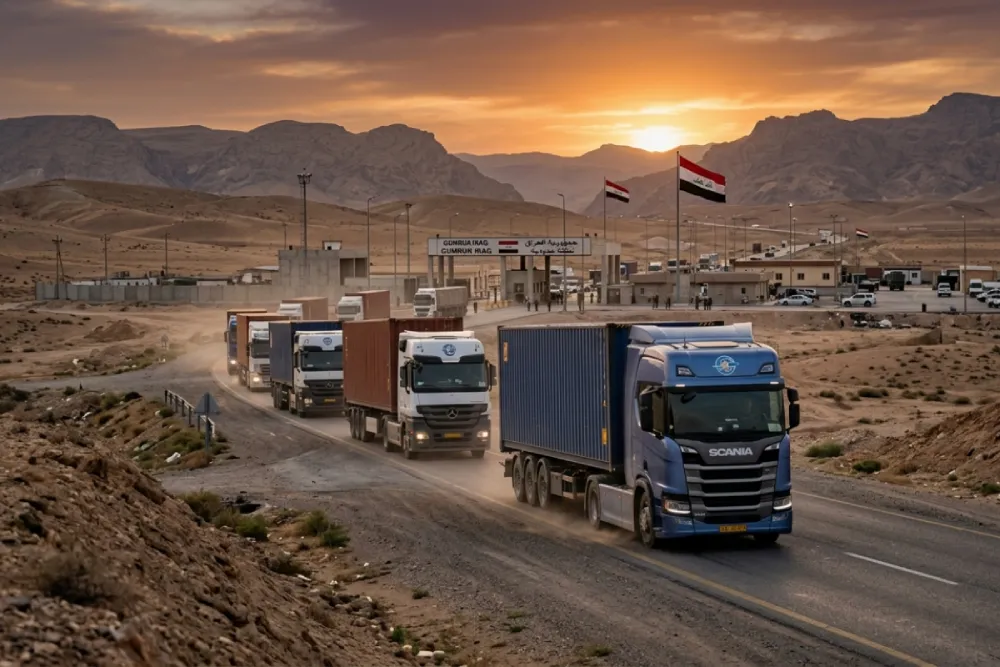
چرا حمل بار زمینی به عراق اولویت تجار است؟
در مقایسه با سایر روشها، حمل و نقل زمینی مزایای بیشماری برای بازرگانان دارد. این روش بیش از هر چیز به دلیل انعطافپذیری در انتخاب نوع خودرو و قابلیت حمل کالاهای متنوع (از مواد غذایی تا تجهیزات صنعتی) شناخته میشود.
مزایای اصلی مسیرهای جادهای:
- دسترسی مستقیم به مراکز مصرف: برخلاف حمل دریایی که محدود به بنادر است، حمل زمینی امکان تحویل کالا (Door-to-Door) را در شهرهایی مانند بغداد، اربیل و بصره فراهم میکند.
- سرعت در جابهجایی کالاهای میانمدت: برای کالاهایی که نیاز به چرخش سریع موجودی دارند، مسیرهای زمینی تعادل مناسبی میان هزینه و زمان ایجاد میکنند.
- کاهش هزینههای انبارداری: امکان ارسال مستقیم از کارخانه یا انبار به مقصد نهایی، نیاز به واسطههای انبارداری در مسیر را کاهش میدهد.
بررسی مسیرهای اصلی ارسال بار به عراق
بسته به مبدأ تولید کالا، مسیرهای مختلفی برای ورود به خاک عراق وجود دارد. شناخت این مسیرها به بهینهسازی زمان و هزینه ارسال بار به عراق کمک میکند.
ارسال بار از شهرهای مختلف ایران
بسته به موقعیت جغرافیایی تولیدکننده، استراتژیهای حمل متفاوت است:
- ارسال بار به عراق از خرمشهر: به دلیل نزدیکی به مرزهای عملیاتی، این منطقه یکی از اصلیترین گلوگاههای خروجی برای کالاهای صادراتی است.
- ارسال بار به عراق از اصفهان و مشهد: برای تولیدکنندگان در مرکز و شرق کشور، مدیریت زنجیره تأمین از طریق شبکههای ترانزیتی سراسری برای رسیدن به مرزهای غربی اهمیت بالایی دارد.
- ارسال بار به عراق از قم: این مسیر معمولاً برای کالاهای تولید شده در قطبهای صنعتی مرکزی بسیار کارآمد است.
تمرکز بر مقاصد کلیدی مانند بغداد
ارسال بار به بغداد به عنوان قلب اقتصادی عراق، نیازمند برنامهریزی دقیق برای عبور از گمرکات مرزی است. از آنجا که بغداد مرکز توزیع اصلی است، مدیریت ترافیک جادهای و زمان رسیدن محموله در این مسیر، بر موفقیت بازاریابی کالا تأثیر مستقیم دارد.
عوامل مؤثر بر هزینه و مدیریت ترانزیت
محاسبه دقیق هزینهها تنها به فاصله جادهای بستگی ندارد. برای مدیریت بودجه صادراتی، باید متغیرهای زیر را در نظر گرفت:
کرایه ترانزیت و هزینههای جانبی
کرایه ترانزیت به عراق تحت تأثیر چندین عامل قرار دارد:
- نوع خودرو: استفاده از تریلیهای کانتینری، یخچالدار یا پشتپرده بسته به نوع کالا.
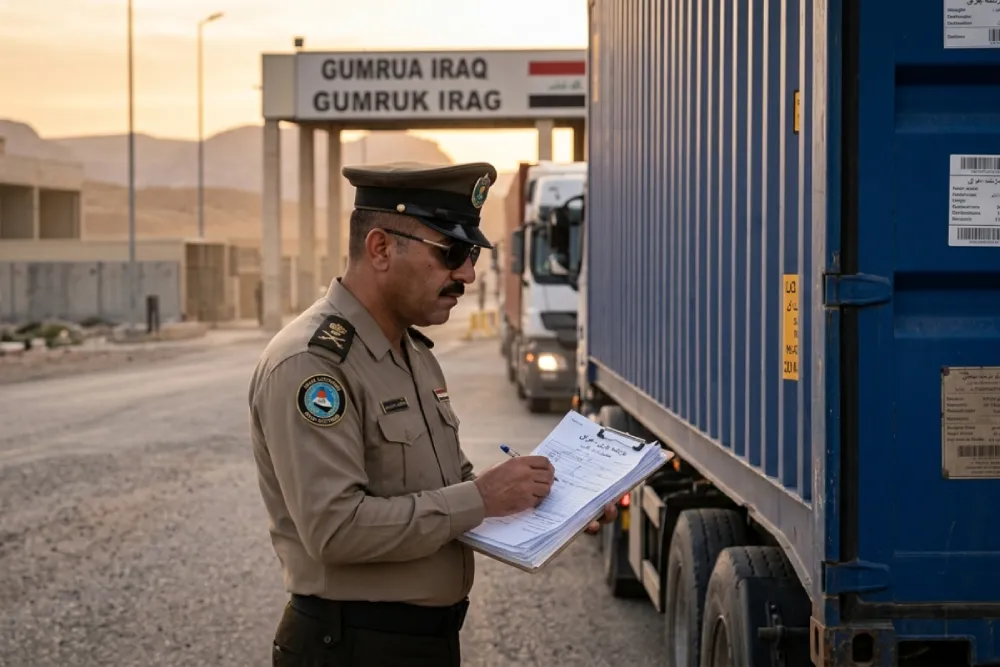
- وضعیت مرزی: زمان انتظار در گمرکات میتواند هزینههای توقف و دموراژ را افزایش دهد.
- نوسانات قیمت سوخت و نرخ ارز: این موارد مستقیماً بر قیمت نهایی خدمات تأثیرگذارند.
برای مدیریت این پیچیدگیها، همکاری با یک شرکت حمل و نقل بین المللی که تسلط کاملی بر قوانین گمرکی عراق و ایران داشته باشد، میتواند ریسکهای مالی را به حداقل برساند.
چالشهای مسیر و راهکارهای مدیریت ریسک
حمل بار در مسیرهای بینالمللی، بهویژه در مناطق مرزی، با چالشهایی نظیر تغییر قوانین گمرکی، مسائل امنیتی مسیر و شرایط جوی همراه است.
نکته کاربردی: برای جلوگیری از توقف محموله در مرز، حتماً پیش از حرکت، صحت تمامی اسناد صادراتی و استانداردهای بهداشتی یا فنی مورد نیاز در عراق را بررسی کنید. استفاده از خدمات ترانزیت حرفهای میتواند فرآیند بررسی اسناد را تسهیل کند. همچنین، برای کسانی که به دنبال فرصتهای جدید هستند، بررسی کانال اعلام بار عراق میتواند به پیدا کردن ظرفیتهای خالی و نرخهای رقابتی کمک کند.
جمعبندی
صادرات به عراق فرصتی طلایی برای صنایع داخلی است، مشروط بر اینکه زنجیره حمل و نقل بین المللی بهدرستی طراحی شود. انتخاب مسیر مناسب از مبدأ (اعم از خرمشهر، اصفهان یا مشهد) و درک صحیح از هزینههای ترانزیت و قوانین گمرکی، تفاوت میان یک صادرات موفق و یک شکست لجستیکی را رقم میزند.
سوالات متداول
تفاوت حمل بار با تریلی یخچالدار و معمولی در مسیر عراق چیست؟
اگر کالای شما از نظر دما حساس باشد (مانند محصولات کشاورزی یا دارویی)، استفاده از تریلی یخچالدار الزامی است. این نوع حمل هزینه بیشتری دارد اما از فساد کالا جلوگیری میکند.
چگونه میتوان هزینه ارسال بار به عراق را کاهش داد؟
بهینهسازی حجم بار (استفاده از ظرفیت کامل خودرو)، انتخاب مسیرهای گمرکی با صفهای کمتر و همکاری با شرکتهای دارای قراردادهای ترانزیتی بلندمدت، از روشهای کاهش هزینههاست.
آیا ارسال بار به بغداد از طریق تمامی مرزها امکانپذیر است؟
بله، اما مسیرهای مختلف از نظر زمان رسیدن و هزینههای ترانزیت متفاوت هستند. معمولاً مسیرهایی که به مرزهای فعالتر و با زیرساختهای جادهای بهتر متصل هستند، برای رسیدن به بغداد اولویت دارند.