
موفقیت در تجارت جهانی، درست مانند قدم زدن در یک مسیر آرام و مشخص در دل طبیعت است؛ اگر نقشه راه را بشناسید، ذهن شما درگیر پیچیدگیها نمیشود و با آرامش و تمرکز به سمت هدف حرکت میکنید. بازار پهناور روسیه یکی از جذابترین مقاصد برای تاجران و تولیدکنندگان است، اما رسیدن به این بازار نیازمند یک استراتژی دقیق و انتخاب مسیرهای درست لجستیکی است. زمانی که صحبت از ارسال کالا به این کشور پهناور میشود، انتخاب مسیر درست و بهینه میتواند مرز بین سودآوری بالا و ضررهای جبرانناپذیر باشد.
آشنایی با بهترین مسیرهای لجستیکی برای صادرات به روسیه نه تنها هزینههای شما را کاهش میدهد، بلکه سرعت رسیدن کالا به مقصد و امنیت آن را نیز تضمین میکند. در این مسیر پیچیده، تکیه بر تجربه و تخصص یک مرجع معتبر مانند شرکت حمل و نقل آپادانا میتواند به عنوان یک بازوی قدرتمند اجرایی، تمام دغدغههای شما را برطرف سازد. در این مقاله جامع، قصد داریم با نگاهی استراتژیک و کاربردی، بهترین مسیرهای لجستیکی را بررسی کنیم تا با خیالی آسوده و ساختاری منظم، تجارت خود را گسترش دهید.
چرا صادرات به روسیه یک فرصت طلایی است؟
کشور روسیه با داشتن وسعتی بینظیر و بازاری مصرفی و پهناور، همواره یکی از شرکای تجاری استراتژیک در منطقه بوده است. شرایط اقلیمی این کشور باعث شده تا نیاز مبرمی به واردات محصولات کشاورزی، مواد غذایی، مصالح ساختمانی و محصولات پتروشیمی داشته باشد. از سوی دیگر، تحولات سیاسی و اقتصادی سالهای اخیر، بازار روسیه را بیش از پیش به روی محصولات سایر کشورها در منطقه باز کرده است.
با این حال، ورود به این بازار نیازمند داشتن یک سیستم حمل و نقل بین المللی قدرتمند است. پهناوری روسیه به این معناست که توزیع کالا در شهرهای مختلف آن مانند مسکو، سن پترزبورگ یا آستراخان، نیازمند برنامهریزی دقیق است. اگر محموله شما در زمان مناسب و با کیفیت اولیه به دست خریدار نرسد، جایگاه خود را در این بازار رقابتی از دست خواهید داد. به همین دلیل است که انتخاب روش ارسال، نقشی حیاتی در پایداری کسب و کار شما ایفا میکند.
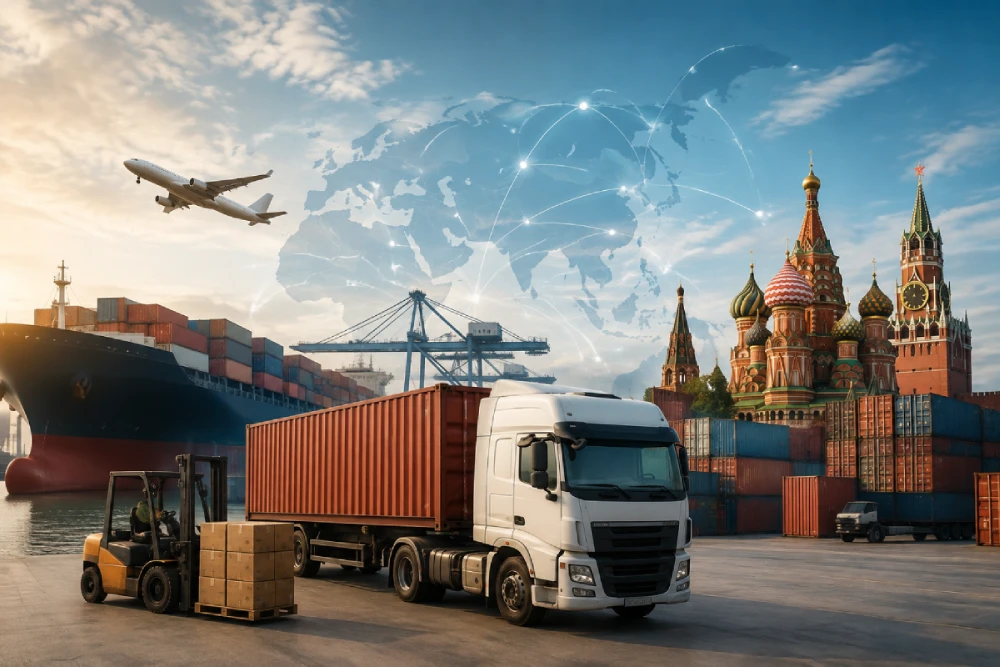
بررسی دقیق مسیرها و روشهای صادرات به روسیه
برای ارسال کالا به اوراسیا و به ویژه روسیه، مسیرهای متنوعی وجود دارد که هر کدام مزایا و چالشهای خاص خود را دارند. انتخاب هر یک از این روشها به عواملی مانند نوع کالا، بودجه، زمان تحویل و حجم بار بستگی دارد. در ادامه، این روشها را با جزئیات کامل بررسی میکنیم.
حمل و نقل دریایی؛ شاهراه اقتصادی از طریق دریای خزر
یکی از محبوبترین و مقرونبهصرفهترین روشها برای جابجایی کالاهای حجیم و سنگین، استفاده از مسیرهای آبی است. حمل و نقل دریایی از طریق بنادر شمالی مانند بندر انزلی، امیرآباد، نوشهر و کاسپین به مقصد بنادر روسیه نظیر بندر آستراخان و ماخاچقلعه انجام میشود.
این روش برای تاجرانی که قصد صادرات به روسیه با حجم بالا (مانند مصالح ساختمانی، مواد معدنی و غلات) را دارند، بسیار ایدهآل است. اگرچه سرعت رسیدن کالا در این روش نسبت به مسیرهای زمینی یا هوایی کمتر است، اما هزینه پایین آن، حاشیه سود شما را به شدت افزایش میدهد. شرکت حمل و نقل آپادانا با دسترسی به کشتیهای تجاری مجهز و کانتینرهای استاندارد، این مسیر را به ایمنترین شکل ممکن برای مشتریان خود مدیریت میکند.
حمل و نقل ریلی؛ امن، ارزان و باثبات
در دنیای لجستیک، قطارها نماد ثبات و برنامهریزی دقیق هستند. حمل و نقل ریلی یکی از استراتژیکترین روشها برای ارسال کالا به روسیه محسوب میشود. این روش نه تنها امنیت بسیار بالایی دارد، بلکه تحت تاثیر تغییرات ناگهانی آب و هوا (که در منطقه قفقاز و روسیه بسیار شایع است) قرار نمیگیرد.
مسیرهای ریلی معمولاً از طریق مرز اینچه برون یا جلفا و همچنین مسیر ریلی آستارا به سمت جمهوری آذربایجان و سپس روسیه امتداد مییابند. برای محمولههایی که نه به سرعتِ هواپیما نیاز دارند و نه میتوانند کندی کشتی را تحمل کنند، حمل و نقل ریلی یک نقطه تعادل عالی است. این روش برای کالاهای فله، محصولات پتروشیمی و فلزات یکی از بهترین گزینهها برای حفظ کیفیت و کاهش هزینههای پنهان است.
حمل و نقل زمینی؛ سریع، منعطف و تحویل درب به درب
وقتی صحبت از انعطافپذیری در لجستیک میشود، کامیونها و تریلیهای ترانزیتی حرف اول را میزنند. حمل و نقل زمینی یکی از پرکاربردترین روشها برای ارسال کالاهای مصرفی، مواد غذایی فاسدشدنی، میوه و ترهبار است. در این روش، بارگیری در مبدا انجام شده و کالا مستقیماً در انبار خریدار در روسیه تخلیه میشود (Door to Door).
عمده ترافیک این مسیر از طریق مرز زمینی آستارا و عبور از کشور آذربایجان (مرز سامور) به سمت داغستان و سپس شهرهای مرکزی روسیه انجام میشود. در صادرات به روسیه، زمان رسیدن محصولات کشاورزی بسیار حیاتی است. استفاده از کانتینرهای یخچالی در حمل و نقل زمینی تضمین میکند که بار شما کاملاً تازه به مقصد برسد.
حمل و نقل هوایی؛ پرسرعت اما پرهزینه
برای کالاهای لوکس، داروهای خاص، قطعات الکترونیکی حساس و نمونههای تجاری، زمان مهمترین فاکتور است. در این شرایط، مسیر هوایی بهترین انتخاب است. محمولهها از طریق فرودگاههای بینالمللی به فرودگاههای اصلی روسیه (مانند شرمتیوو یا دومودهدوو مسکو) ارسال میشوند. اگرچه هزینه این روش بالاست، اما برای بارهای سبک و ارزشمند، کاملاً توجیهپذیر است.
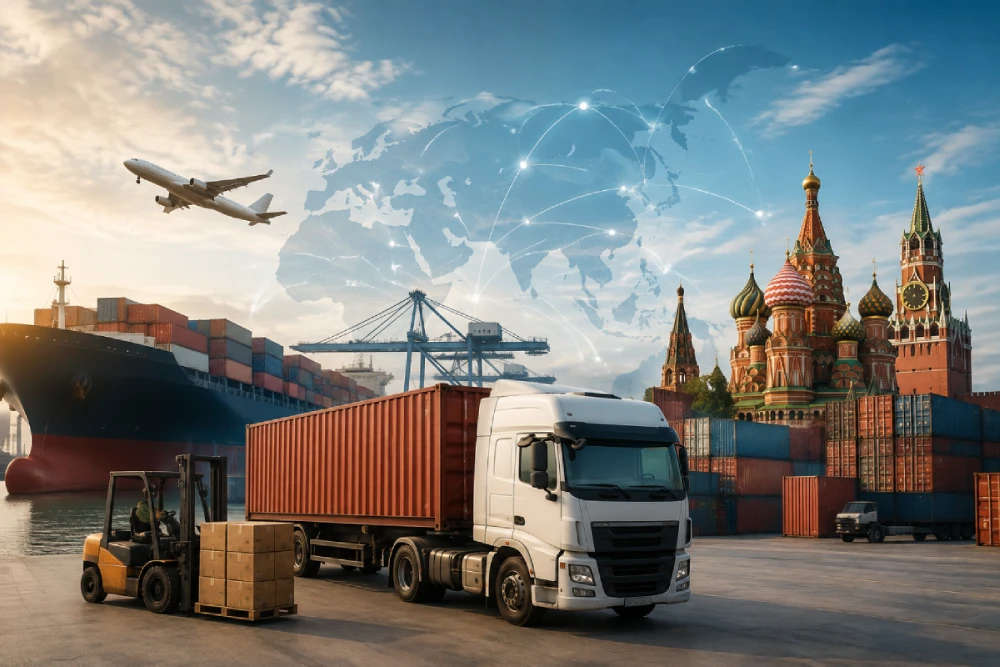
کریدور شمال-جنوب؛ مزیت رقابتی در صادرات به روسیه
یکی از مهمترین مفاهیمی که هر تاجر موفقی باید بشناسد، کریدور بینالمللی شمال-جنوب (INSTC) است. این مسیر استراتژیک، هند و کشورهای حاشیه خلیج فارس را از طریق شبکهای از مسیرهای ریلی، دریایی و جادهای به روسیه و شمال اروپا متصل میکند.
استفاده از این کریدور ترکیبی باعث میشود که زمان ترانزیت کالا و هزینههای حمل و نقل بین المللی به میزان قابل توجهی کاهش یابد. یک سیستم لجستیکی هوشمند که بر پایه این کریدور بنا شده باشد، میتواند فرآیند ارسال بار را بهینهسازی کند. ترکیب استراتژیک حمل و نقل دریایی و حمل و نقل ریلی در این کریدور، یک مزیت رقابتی فوقالعاده برای تاجران ایجاد میکند.
نقش شرکت حمل و نقل بین المللی در کاهش ریسکهای تجاری
تجارت بینالملل پر از قوانین پیچیده گمرکی، استانداردهای بستهبندی، مدارک ترخیص و چالشهای بیمهای است. شما نمیتوانید هم روی کیفیت تولید محصول خود تمرکز کنید و هم درگیر پیچیدگیهای صدور بارنامه و قوانین گمرکی فدراسیون روسیه شوید. اینجاست که حضور یک تیم اجرایی قدرتمند الزامی میشود.
یک شرکت حمل و نقل بین المللی حرفهای مانند شرکت حمل و نقل آپادانا، تمام این فرآیندها را به صورت یکپارچه مدیریت میکند. از لحظه بارگیری کالا در انبار شما، تا صدور بارنامه، انجام تشریفات گمرکی، بیمه بینالمللی بار و تحویل آن در مسکو یا سن پترزبورگ، تمام مراحل با دقتی مهندسیشده انجام میشود. این واگذاری کار به متخصصان، باعث میشود شما بدون دغدغه فکری، تنها به فکر توسعه بازار و جذب مشتریان جدید باشید.
چالشهای صادرات به روسیه و راهکارهای غلبه بر آنها
هر مسیر تجاری چالشهای خاص خود را دارد. در مسیر اوراسیا، تغییرات شدید آب و هوایی در فصول سرد، یخبندان در مسیرهای جادهای، ترافیک کامیونها در مرز آستارا و قوانین سختگیرانه گمرک روسیه (رای فدراسیون) از جمله این چالشها هستند.
راهکار غلبه بر این مشکلات، داشتن یک برنامه منعطف و جایگزین است. به عنوان مثال، در زمان ترافیک شدید مرز زمینی، تغییر استراتژی به سمت حمل و نقل دریایی با کانتینرهای یخچالی (Ro-Ro) میتواند محموله شما را نجات دهد. شرکت حمل و نقل آپادانا با مانیتورینگ دائمی مسیرها و شرایط مرزی، همیشه بهترین و سریعترین پلن جایگزین را برای مشتریان خود طراحی میکند تا پروسه صادرات به روسیه هرگز متوقف نشود.
سوالات متداول درباره بهترین مسیرهای صادرات به روسیه
بهترین و ارزانترین روش برای صادرات به روسیه کدام است؟
انتخاب روش به نوع کالای شما بستگی دارد. اما به طور کلی، برای کالاهای سنگین و فله، حمل و نقل دریایی از طریق دریای خزر ارزانترین روش است. برای تعادل بین سرعت و هزینه، حمل و نقل ریلی پیشنهاد میشود.
آیا ارسال محصولات کشاورزی فاسدشدنی به روسیه ریسک دارد؟
اگر از تجهیزات استاندارد استفاده شود، ریسکی وجود ندارد. حمل و نقل زمینی با استفاده از تریلیهای یخچالدار مجهز به ترموگراف (ثبتکننده دما) بهترین گزینه برای ارسال میوه و ترهبار است تا کالا با حفظ کیفیت کامل به مقصد برسد.
نقش شرکت حمل و نقل آپادانا در این مسیر چیست؟
شرکت حمل و نقل آپادانا به عنوان یک شرکت حمل و نقل بین المللی با سابقه، صفر تا صد خدمات لجستیکی شامل بستهبندی، انتخاب بهترین مسیر (زمینی، ریلی، هوایی، دریایی)، انجام امور گمرکی و تحویل در مقصد را با بالاترین استانداردهای امنیتی انجام میدهد.
چقدر زمان میبرد تا بار از طریق مسیر زمینی به مسکو برسد؟
زمان رسیدن بار در حمل و نقل زمینی به شرایط جوی و ترافیک مرزی بستگی دارد، اما به طور معمول تریلیها این مسیر را در بازه زمانی ۱۰ الی ۱۴ روز طی میکنند.
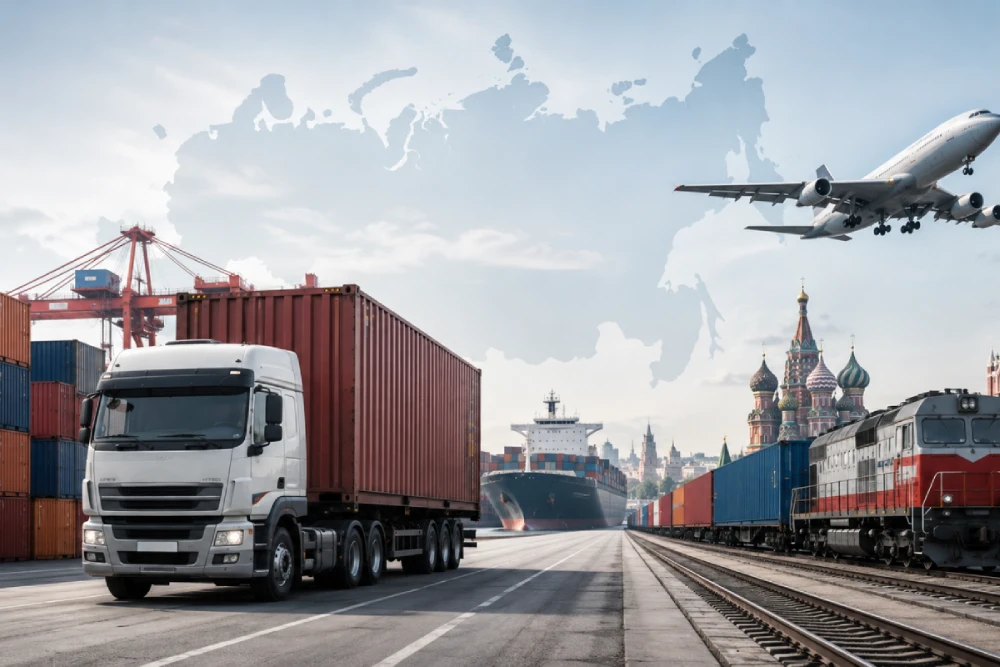
نتیجهگیری نهایی
حضور در بازار بزرگ اوراسیا یک فرصت بینظیر برای توسعه کسبوکار است. اما کلید موفقیت در این مسیر، داشتن یک سیستم لجستیکی پایدار، امن و برنامهریزی شده است. همانطور که بررسی کردیم، هر یک از روشهای حمل و نقل دریایی، حمل و نقل ریلی و حمل و نقل زمینی دارای ویژگیهایی هستند که باید با توجه به نوع محموله و استراتژی فروش شما انتخاب شوند.
تلاش کنید تا با انتخاب یک شریک تجاری معتبر در زمینه لجستیک، پیچیدگیهای مسیر را به صفر برسانید. شرکت حمل و نقل آپادانا با ارائه راهکارهای تخصصی و ترکیبی در زمینه حمل و نقل بین المللی، بستری امن و آرام را برای تجارت شما فراهم میکند تا بتوانید با تمرکز کامل، اهداف صادراتی خود را محقق سازید و سودآوری خود را در بازار روسیه تضمین کنید.