
در دنیای امروز تجارت و بازرگانی، سرعت، امنیت و کاهش هزینهها حرف اول را میزنند. برای تاجران و شرکتهایی که قصد مبادله کالا با کشورهای آسیای میانه را دارند، انتخاب یک مسیر درست و یک روش حمل ایمن، میتواند حاشیه سود آنها را به شدت تغییر دهد. یکی از بهترین و استراتژیکترین روشهایی که در سالهای اخیر مورد توجه بسیاری از تجار قرار گرفته است، استفاده از خطوط ریلی ایران است. موقعیت جغرافیایی بینظیر ایران باعث شده تا به عنوان یک پل ارتباطی طلایی بین آبهای آزاد و کشورهای محصور در خشکی آسیای میانه شناخته شود. در این مقاله میخواهیم به صورت جامع و کامل در مورد مزایای ترانزیت ریلی به CIS از مسیر ایران صحبت کنیم و ببینیم که چرا این روش، به انتخاب اول بسیاری از بازرگانان تبدیل شده است.
همچنین بررسی خواهیم کرد که چگونه شرکت حمل و نقل آپادانا با تکیه بر سالها تجربه در زمینه حمل و نقل بین المللی، میتواند این مسیر پیچیده را برای شما هموار کرده و بارهای شما را با بالاترین امنیت به مقصد برساند. اگر شما هم در زمینه صادرات و واردات به کشورهای آسیای میانه فعالیت میکنید و به دنبال یک راهکار اقتصادی و مطمئن هستید، از شما دعوت میکنیم تا انتهای این مقاله با ما همراه باشید.
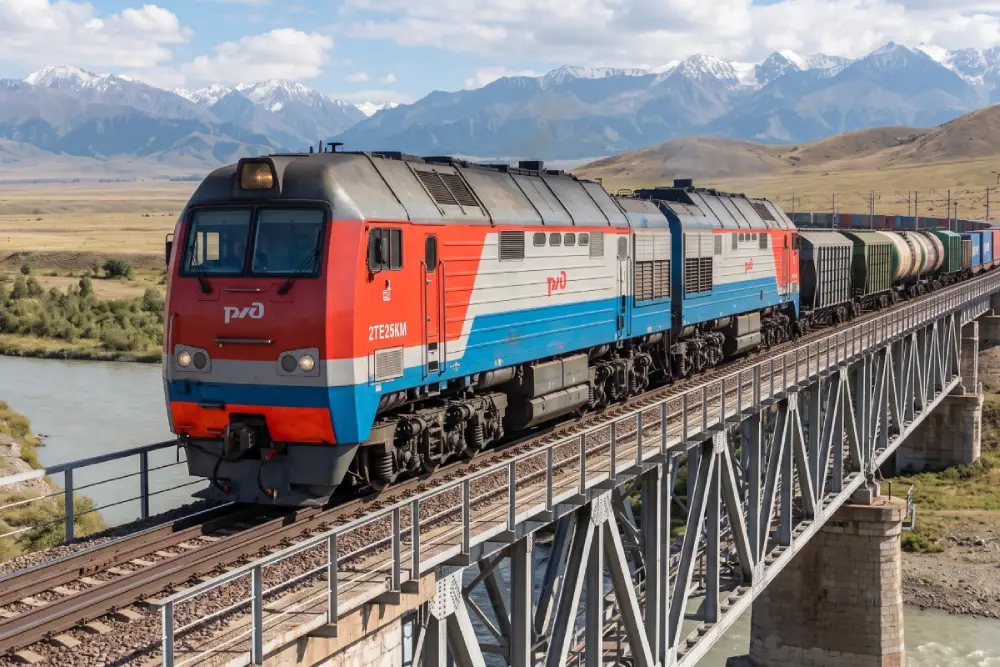
کشورهای CIS چه کشورهایی هستند و چرا اهمیت دارند؟
پیش از اینکه بخواهیم وارد بحث اصلی شویم، بد نیست یک نگاه کلی به این کشورها داشته باشیم. کشورهای مستقل همسود یا همان CIS (Commonwealth of Independent States)، مجموعهای از کشورهای جدا شده از اتحاد جماهیر شوروی سابق هستند. کشورهایی مانند روسیه، قزاقستان، ترکمنستان، ازبکستان، قرقیزستان، تاجیکستان و ارمنستان در این دسته قرار میگیرند.
ویژگی بارز بسیاری از این کشورها این است که محصور در خشکی (Landlocked) هستند و دسترسی مستقیمی به آبهای آزاد و اقیانوسها ندارند. همین موضوع باعث میشود که برای صادرات محصولات خود و یا واردات کالاهای مورد نیازشان از سراسر جهان، به شدت نیازمند کشورهای واسطهای باشند که به آبهای آزاد دسترسی دارند. در اینجا است که اهمیت و ارزش استراتژیک مسیرهای ترانزیتی مشخص میشود و ترانزیت ریلی به CIS به عنوان یک شریان حیاتی برای اقتصاد این کشورها نقشآفرینی میکند. تامین نیازهای بازار بزرگ این کشورها، یک فرصت استثنایی برای تجار ایرانی و خارجی است که با یک برنامهریزی درست در حمل و نقل بین المللی میتوانند سودآوری بالایی داشته باشند.
چرا مسیر ایران بهترین گزینه برای ترانزیت است؟
ایران در قلب خاورمیانه و در نقطه اتصال شرق به غرب و شمال به جنوب قرار گرفته است. دسترسی به خلیج فارس و دریای عمان در جنوب و دریای خزر در شمال، ایران را به شاهراه اصلی کریدور شمال-جنوب تبدیل کرده است. کالاهایی که از هند، چین و کشورهای حاشیه خلیج فارس به مقصد آسیای میانه ارسال میشوند، اگر بخواهند از مسیرهای جایگزین استفاده کنند، باید هزینهها و زمان بسیار طولانیتری را صرف کنند.
اما با پهلوگیری کشتیها در بنادری مانند بندرعباس یا چابهار، محمولهها میتوانند به سرعت وارد شبکه ریلی ایران شده و از طریق مرزهای شمالی مانند سرخس، اینچهبرون و آستارا به شبکه ریلی کشورهای همسود متصل شوند. این مسیر کوتاه، امن و مستقیم، دلیل اصلی محبوبیت ترانزیت ریلی به CIS از مسیر خاک ایران است. سرمایهگذاریهای انجام شده روی زیرساختهای راهآهن در سالهای اخیر نیز باعث شده تا ظرفیت پذیرش و انتقال بار به میزان چشمگیری افزایش پیدا کند.
بررسی مزایای ترانزیت ریلی به کشورهای CIS از مسیر ایران
حالا که با اهمیت این مسیر استراتژیک آشنا شدیم، وقت آن است که دقیقتر به این موضوع بپردازیم و ببینیم انتخاب قطار و خطوط آهن برای ارسال کالا به این کشورها، چه برتریهایی نسبت به جاده و کامیون دارد. در ادامه مهمترین مزایای این روش را با هم بررسی میکنیم:
مقرونبهصرفه بودن هزینهها
اولین و مهمترین دلیلی که هر تاجری را به سمت استفاده از حمل و نقل ریلی سوق میدهد، بحث هزینهها است. در مسیرهای طولانی، هزینه سوخت، استهلاک و دستمزد در حمل و نقل جادهای به شدت بالا میرود. اما قطارهای باری به دلیل مصرف سوخت بسیار کمتر به ازای هر تن-کیلومتر بار، هزینههای نهایی حمل را به شکل قابل توجهی کاهش میدهند. وقتی صحبت از جابجایی کالاهای فلهای، مواد معدنی، پتروشیمی و یا مصالح ساختمانی به میان میآید، هیچ روشی نمیتواند از نظر اقتصادی با ترانزیت ریلی به CIS رقابت کند.
امنیت بالای محمولهها و کاهش خسارات
آمارها نشان میدهند که خطراتی مانند تصادفات جادهای، سرقت، خرابی وسایل نقلیه و شرایط بد جوی در جادهها بسیار بیشتر از خطوط آهن است. قطارهای باری در مسیرهای اختصاصی و با ایمنی بسیار بالا حرکت میکنند. واگنهای مسقف و پلمپ شده، امنیت محموله شما را در برابر شرایط جوی نامساعد (مثل برف و سرمای شدید کشورهای شمالی) و دستبرد حفظ میکنند. شرکت حمل و نقل آپادانا با ارائه بیمهنامههای معتبر و استفاده از واگنهای استاندارد، این اطمینان را به شما میدهد که بار شما صحیح و سالم به مقصد میرسد.
ظرفیت بینظیر برای جابجایی کالاهای حجیم
یک قطار باری میتواند معادل دهها یا حتی صدها تریلی بار را به صورت همزمان جابجا کند. اگر شما قصد صادرات مقادیر عظیمی از کالاهای سنگین مانند فولاد، سیمان، گندم، مواد شیمیایی یا ماشینآلات صنعتی را دارید، حمل جادهای برای شما یک کابوس خواهد بود؛ چرا که هماهنگی دهها کامیون بسیار زمانبر و سخت است. اما ترانزیت ریلی به CIS این امکان را فراهم میکند که تناژ بالایی از بار را به صورت یکپارچه و در قالب یک محموله واحد بارگیری و ارسال کنید. این یک مزیت بزرگ در حمل و نقل بین المللی به شمار میرود.
برنامهریزی دقیق و کاهش زمان تشریفات
سفرهای ریلی بر اساس برنامههای زمانی مشخص و از پیش تعیین شده انجام میشوند. بر خلاف جادهها که ممکن است به دلیل ترافیک، خرابی مسیر یا شرایط جوی مسدود شوند، قطارها معمولا بدون وقفه به مسیر خود ادامه میدهند. علاوه بر این، در ترانزیت ریلی به CIS، تشریفات گمرکی در مرزها با سرعت و نظم بیشتری انجام میشود. تجمیع بارها در یک قطار باعث میشود که بازرسیها و ترخیص کالا یکپارچهتر پیش برود و زمان معطلی در مرزها به حداقل برسد.
سازگاری با محیط زیست و توسعه پایدار
در دنیای مدرن، توجه به محیط زیست یک فاکتور مهم برای کسب و کارها محسوب میشود. حمل و نقل ریلی یکی از سبزترین روشهای جابجایی کالا است. میزان انتشار گازهای گلخانهای توسط قطارها بسیار کمتر از ناوگان جادهای است. استفاده از ترانزیت ریلی به CIS به جای فرستادن صدها کامیون به دل جادهها، به کاهش آلودگی هوا و حفظ محیط زیست کمک شایانی میکند و این موضوع برای شرکتهایی که به مسئولیتهای اجتماعی خود پایبند هستند، بسیار ارزشمند است.
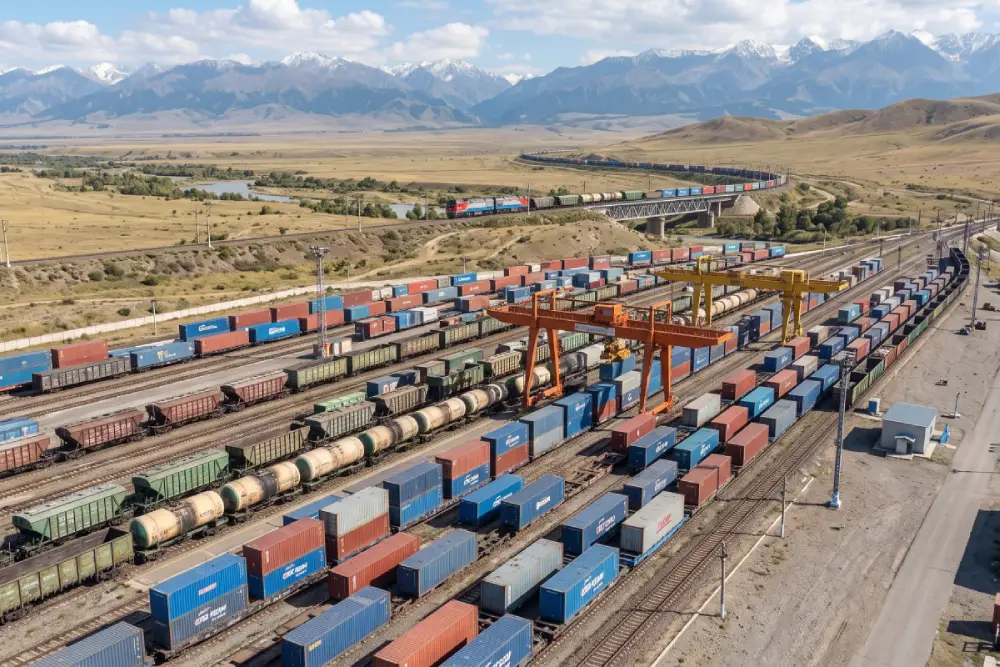
نقش شرکت حمل و نقل آپادانا در تسهیل ترانزیت ریلی
همانطور که میدانید، فرایند حمل و نقل بین المللی و گذر از مرزهای مختلف، پیچیدگیهای حقوقی، لجستیکی و گمرکی خاص خود را دارد. آشنایی با قوانین راهآهن کشورهای مبدا، مسیر و مقصد، تامین واگن مناسب (لبهدار، مسقف، مخزندار و…) و پیگیری لحظهای بار، نیازمند تخصص و تجربه است.
شرکت حمل و نقل آپادانا به عنوان یکی از نامهای معتبر در صنعت لجستیک، تمام این دغدغهها را برای شما برطرف میکند. این شرکت با داشتن ارتباطات گسترده با شبکههای ریلی کشورهای منطقه و تامین ناوگان مورد نیاز، صفر تا صد مراحل ترانزیت ریلی به CIS را مدیریت میکند. از لحظه بارگیری در بنادر جنوبی یا ایستگاههای مبدا در ایران، تا انجام امور گمرکی در مرزهایی مانند سرخس، تعویض بوژی (به دلیل تفاوت عرض خطوط آهن ایران و کشورهای CIS) و تحویل نهایی کالا در کشور مقصد، تیم متخصص شرکت حمل و نقل آپادانا در کنار شماست تا تجربهای بیدغدغه از تجارت داشته باشید.
چالشها و راهکارهای موجود در مسیر ریلی ایران به CIS
قطعا هیچ روشی بدون چالش نیست. یکی از مهمترین چالشها در ترانزیت ریلی به CIS، تفاوت عرض خطوط راهآهن (Gauge) ایران با کشورهای بازمانده از شوروی سابق است. خطوط آهن ایران استاندارد هستند، در حالی که خطوط کشورهای CIS عریضتر میباشند. این موضوع باعث میشود که قطارها نتوانند مستقیما وارد خاک یکدیگر شوند.
اما راهکار این مشکل سالهاست که عملیاتی شده است. در ایستگاههای مرزی مانند سرخس، عملیات “تعویض بوژی” (عوض کردن چرخها و محورهای واگن) یا “ترانس شیپمنت” (انتقال کالا از یک واگن به واگن دیگر) انجام میشود. با وجود امکانات پیشرفته در پایانههای مرزی ایران، این عملیات با سرعت بالایی انجام میپذیرد. همکاری با مجموعههای حرفهای در زمینه حمل و نقل بین المللی باعث میشود که این فرایند بدون اتلاف وقت و آسیب رسیدن به کالاها انجام شود و وقفه چندانی در حرکت محموله ایجاد نگردد.
نتیجهگیری
با توجه به تمامی مواردی که با هم بررسی کردیم، کاملا مشخص است که مسیر ریلی ایران یک دروازه طلایی برای ورود به بازار کشورهای آسیای میانه است. امنیت، هزینه پایین، توانایی حمل بارهای سنگین و حجیم، و سرعت مناسب باعث شده تا ترانزیت ریلی به CIS به منطقیترین و سودآورترین انتخاب برای بازرگانان تبدیل شود. اگر میخواهید در بازار رقابتی امروز موفق باشید، بهینهسازی زنجیره تامین و لجستیک باید اولویت اول شما باشد. با انتخاب شرکای تجاری قدرتمند مانند شرکت حمل و نقل آپادانا که تخصص ویژهای در زمینه حمل و نقل ریلی و ترانزیت دارند، میتوانید با خیالی آسوده تمرکز خود را روی توسعه کسب و کارتان بگذارید و امور حمل و نقل محمولههای ارزشمند خود را به دست متخصصان بسپارید.
سوالات متداول
مدت زمان ترانزیت ریلی به CIS از مسیر ایران چقدر است؟
زمان دقیق رسیدن کالا بستگی به کشور مقصد، نوع بار و شرایط مرزی دارد، اما به طور کلی به دلیل یکپارچگی شبکه ریلی و تشریفات منظم، این زمان نسبت به حمل و نقل دریایی ترکیبی یا مسیرهای دور زدن کشورهای همسایه بسیار کوتاهتر است و بسته به مقصد، معمولا بین ۱۰ تا ۲۰ روز کاری متغیر است.
آیا شرکت حمل و نقل آپادانا خدمات ترخیص و امور گمرکی را نیز انجام میدهد؟
بله، شرکت حمل و نقل آپادانا به عنوان یک شرکت جامع در زمینه حمل و نقل بین المللی، صفر تا صد خدمات لجستیکی از جمله انجام تشریفات گمرکی، صدور بارنامه بینالمللی و هماهنگیهای مرزی را برای باربری بینقص ارائه میدهد.
چه کالاهایی بیشتر از طریق حمل و نقل ریلی به CIS ترانزیت میشوند؟
بیشترین حجم کالاهای صادراتی و ترانزیتی شامل مواد پتروشیمی، محصولات کشاورزی فله، مصالح ساختمانی، سیمان، فولاد، مواد معدنی، ماشینآلات سنگین و قطعات صنعتی است که جابجایی آنها با ترانزیت ریلی به CIS بالاترین صرفه اقتصادی را دارد.
مسئله تفاوت عرض خطوط آهن (گیج) در مرزهای CIS چگونه حل میشود؟
در مرزهای مشترک ریلی مانند ایستگاه سرخس، از عملیات ترانس شیپمنت (تخلیه و بارگیری مجدد به واگنهای کشور مقصد) یا عملیات تعویض بوژی (تعویض چرخهای واگن متناسب با عرض ریل مقصد) استفاده میشود که توسط تجهیزات پیشرفته مرزی در زمان کوتاهی صورت میپذیرد.