




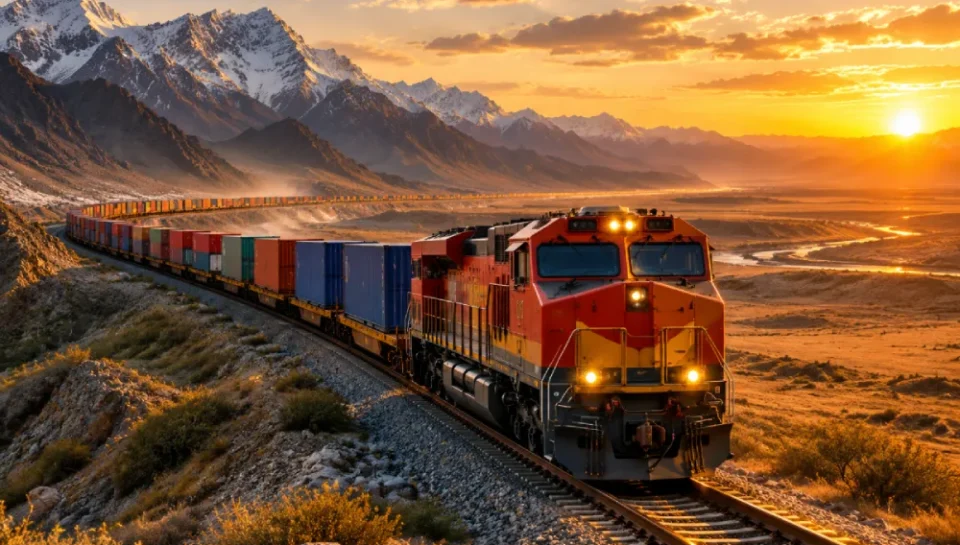
As international trade corridors adapt to shifting global supply chain demands, Eurasian land-bridge connections have gained unprecedented momentum. For importers, manufacturers, and trade professionals operating between East Asia and the Middle East, finding the optimal balance between transit speed and operational cost is critical.
While ocean freight remains cost-effective for slow-moving bulk and air cargo provides emergency speed at a premium, China to Iran rail freight has emerged as a high-performing middle ground. It delivers predictable transit schedules, substantial inventory turnover benefits, and dependable multi-modal capacity.
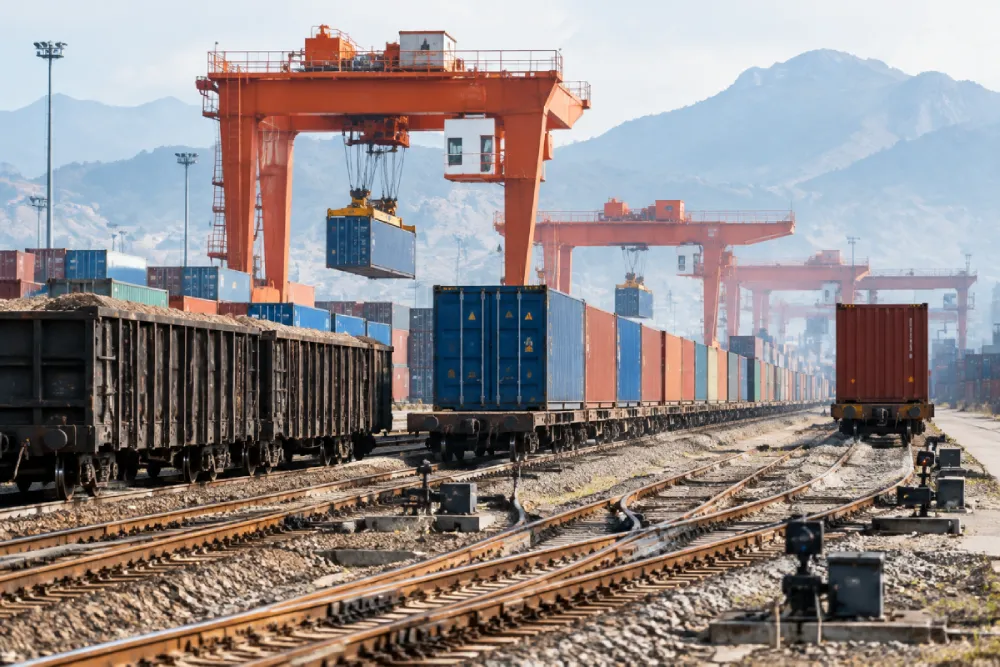
Why Rail Freight from China is Reshaping Logistics
Cross-border rail transport along the Belt and Road routes offers unique strategic value for businesses that cannot afford multi-week maritime delays but require more volume capacity than air transport can provide.
Key advantages include:
- Accelerated Turnaround: Rail solutions substantially reduce transit times compared to sea shipping, lowering working capital tied up in inventory.
- Insulation from Port Congestion: Inland rail terminals bypass maritime bottlenecks, demurrage exposure, and unpredictable berth congestion.
- Weather-Resilient Schedules: Freight trains operate on strict timetables that are far less susceptible to seasonal weather disruption than maritime vessels.
- Eco-Efficient Transportation: Rail represents a significantly lower carbon footprint per ton-kilometer compared to both air freight and long-haul road transport.
Realistic Transit Times: What to Expect
On average, containerized rail journeys from key industrial hubs in central and western China—such as Xi’an, Chengdu, Yiwu, and Lanzhou—reach Iranian border gateways within 14 to 18 operational days.
Several factors govern the exact schedule:
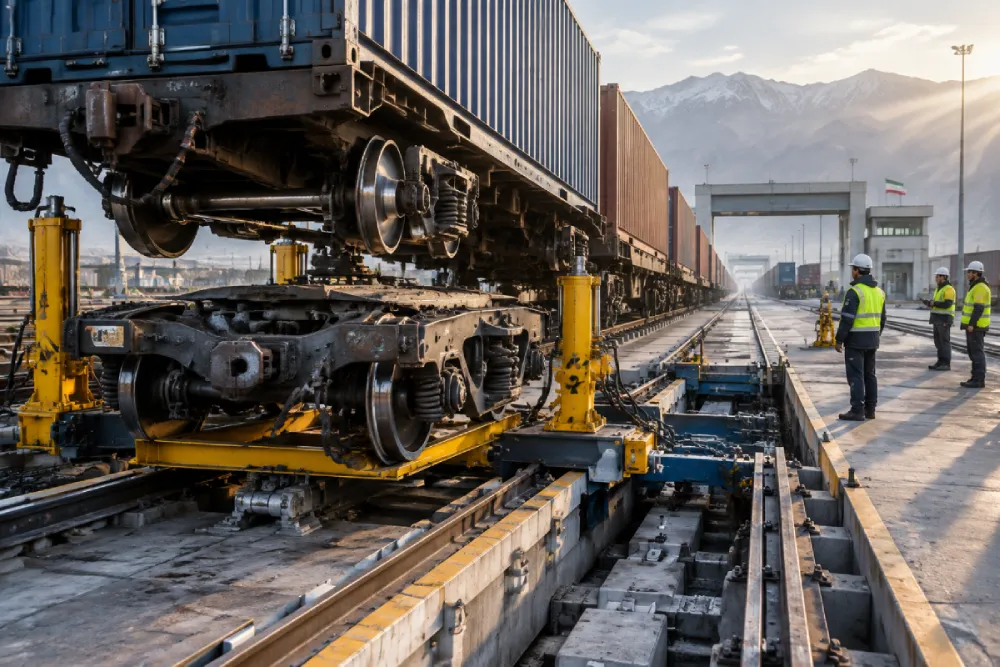
1. Bogie Exchange and Gauge Transitions
Rail gauges vary between China (Standard Gauge), Central Asian transit nations such as Kazakhstan and Turkmenistan (Broad Gauge), and Iranian destinations. At border hubs like Alashankou or Khorgos, specialized terminals handle rapid container transshipment or wheel-set adjustments.
2. Multi-Border Customs Protocols
Seamless cross-border movement across multiple customs territories requires standardized international consignment notes (CIM/SMGS). Professional freight forwarding ensures that customs clearance across intermediate borders proceeds without administrative hold-ups.
Cost Structure and Pricing Factors
Rail freight pricing is dynamically structured based on market capacity, volume commitments, and cargo specifications:
| Cost Variable | Practical Impact |
|---|---|
| FCL vs. LCL Shipments | Full Container Loads (20ft / 40ft HQ) offer optimal per-unit economics compared to groupage. |
| Origin Station Location | Inland and Western Chinese rail terminals offer lower freight rates to the border than far eastern coastal cities. |
| Seasonal Demand Cycles | Pre-holiday manufacturing rushes (e.g., prior to Chinese New Year) can elevate container lease and slot costs. |
| Terminal Handling Charges (THC) | Transshipment, shunting, and handling rates at intermediate and arrival terminals. |
| Value-Added Protection | Comprehensive cargo insurance and protective packing for delicate industrial components. |
When total landing costs are calculated—including capital depreciation, holding costs, and supply chain predictability—rail freight frequently proves more profitable than slow ocean routes for high-value machinery, automotive parts, and industrial equipment.
Connecting Rail with Onward Road Transport
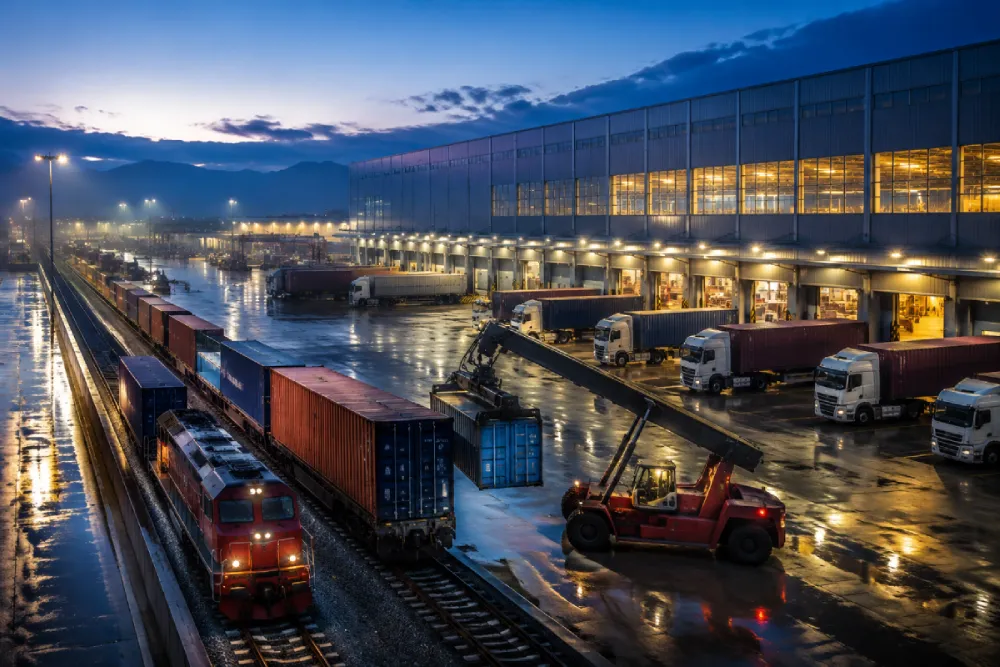
Achieving true point-to-point delivery demands synchronized intermodal integration. Once cargo arrives at Iranian railheads (such as Sarakhs or Incheh Borun), cargo is transloaded for long-haul Road Transportation to regional industrial parks, warehouses, and distribution centers across the country.
A unified logistics pipeline prevents terminal dwell times, eliminates secondary handling risks, and provides complete visibility from factory floor to end destination.
The Value of Partnering with an Experienced Logistics Operator
Navigating international railway corridors requires specialized knowledge of international transit treaties, multi-jurisdiction customs compliance, and dedicated slot management.
Collaborating with an established International Transportation Company guarantees that cargo handling, document dispatch, and regulatory clearances are executed flawlessly. Comprehensive Transit Services take the burden off your procurement teams by handling everything from origin pickup to final customs documentation.
Apadana Transportation Company delivers end-to-end multimodal solutions, combining extensive Rail Transportation networks with dependable onward road logistics. With deep industry expertise, competitive routing agreements, and dedicated client management, Apadana Transportation Company helps businesses optimize transit times, protect margins, and build resilient supply chains from China to Iranian commercial hubs.
Frequently Asked Questions
Is China-to-Iran rail freight suitable for hazardous or temperature-controlled goods?
Certain classes of dangerous goods and temperature-sensitive items can be moved via specialized reefer or ISO-tank containers, subject to railway operator approval and transit corridor regulations.
How does rail transit time compare directly to maritime transport?
Rail transit typically takes 14 to 18 days, whereas ocean freight requires 30 to 45 days. Rail cuts total shipping duration by over 50%, providing significant operational velocity.
What core documentation is required for Eurasian rail freight?
The primary requirements include the Commercial Invoice, Packing List, Certificate of Origin, and the CIM/SMGS Railway Consignment Note, along with any mandatory technical or customs declarations.