




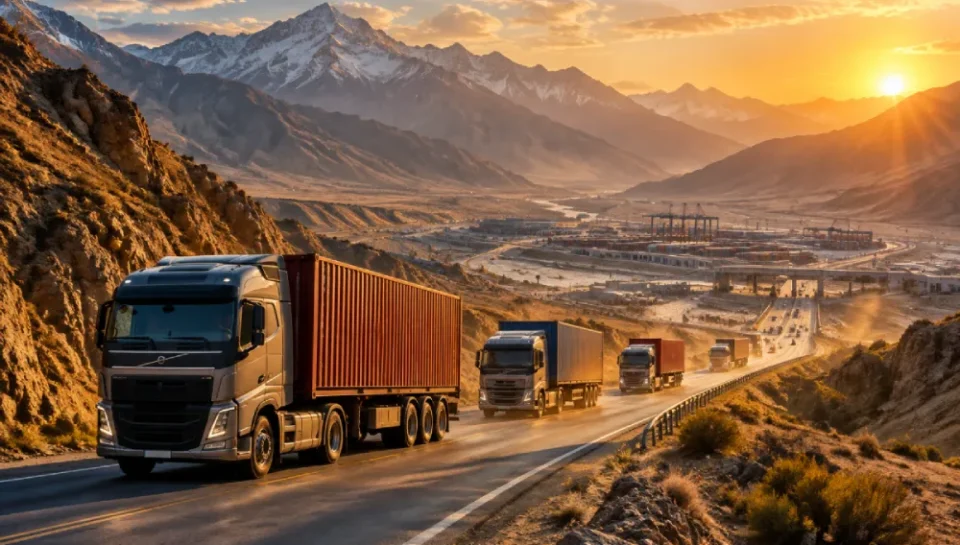
Afghanistan is a landlocked nation, which inherently makes it dependent on the efficiency of neighboring countries for global market access. For international businesses, navigating the logistical landscape between Iran and Afghanistan is a strategic exercise in risk management and operational precision. If you are looking to streamline your supply chain, understanding the complexities of Transit to Afghanistan is the first step toward avoiding costly delays.
Strategic Logistics: Why Iran is the Gateway
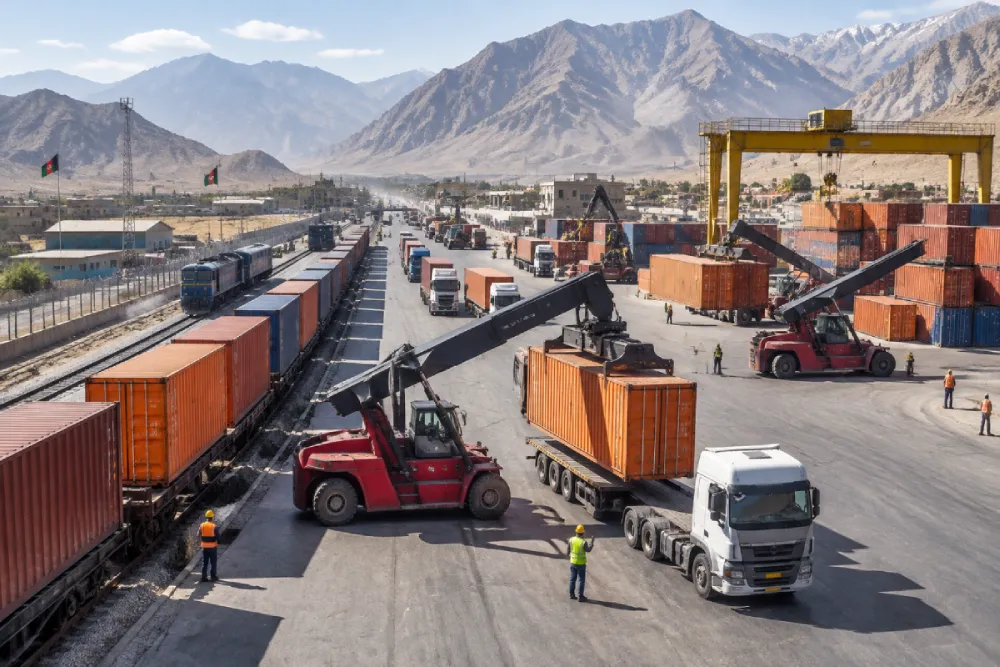
Given its extensive coastline and well-developed transit corridors, Iran serves as the primary gateway for goods heading to Afghanistan. Whether moving cargo from the Persian Gulf or via overland routes, businesses rely on a hybrid approach to ensure speed and cost-effectiveness. Utilizing professional Transit Services is not just about moving cargo; it’s about navigating the nuances of multi-modal transportation, including the synergy between sea, rail, and road.
Analyzing the Major Transit Corridors
Choosing the right corridor can drastically impact your lead times. The transit infrastructure is evolving, and modern logistics strategies now often combine different modes of transport:
1. The Southern Gateway: Chahbahar and Bandar Abbas
For high-volume cargo arriving by sea, the southern ports are the primary entry points. By leveraging Rail Transportation infrastructure, companies can move large quantities of goods inland with significant cost savings. From these railheads, the cargo is transferred to road networks, bridging the final distance to the Afghan border.
2. The Overland Arteries: Dogharun and Milak
Border terminals like Dogharun and Milak are the lifeblood of bilateral trade. While Road Transportation remains the most flexible option, it is also the most sensitive to border congestion. Experienced logistics operators understand how to coordinate pre-arrival documentation to mitigate wait times at these critical hubs.
Common Logistics Challenges
Despite the robust demand, the route is not without hurdles. Successfully managing the route requires foresight:
- Regulatory Fluidity: Customs regulations in Afghanistan can fluctuate, and a lack of real-time updates often leads to cargo stagnation. Partnering with an established International Transportation Company ensures that you remain compliant with the latest protocols.
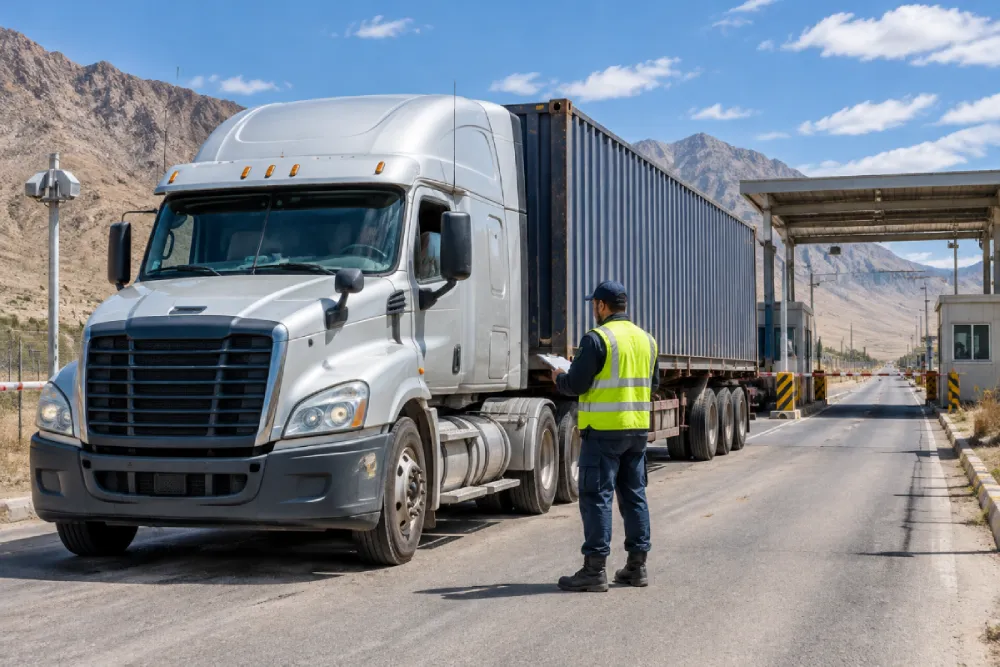
- Border Bottlenecks: High demand often leads to congestion at border crossings. Without an on-the-ground presence, trucks can be stranded for days, inflating warehousing costs.
- Political and Security Variables: Navigating the geopolitical landscape requires a partner who understands the local environment and has established relationships with local stakeholders.
Why Expertise Matters: The Apadana Advantage
Efficiency in logistics is rarely about the mode of transport alone; it is about the coordination behind the scenes. Apadana Transportation Company specializes in bridging these gaps, providing seamless logistics solutions that adapt to the shifting needs of the market. Whether it is managing the documentation for Road Transportation or optimizing a Rail Transportation route to the border, having a dedicated partner changes the equation.
By choosing Apadana Transportation Company, you gain access to a network designed to minimize transit risks. Their deep understanding of both Iranian and Afghan transit protocols allows for a smoother flow of goods, turning what could be a logistical nightmare into a predictable supply chain.
Frequently Asked Questions
Which is the best border for transit to Afghanistan?
It depends on your origin and the nature of the cargo. Southern imports typically favor the Milak border, while cargo originating from central or northern Iran is best routed through Dogharun.
Is rail transport to Afghanistan currently viable?
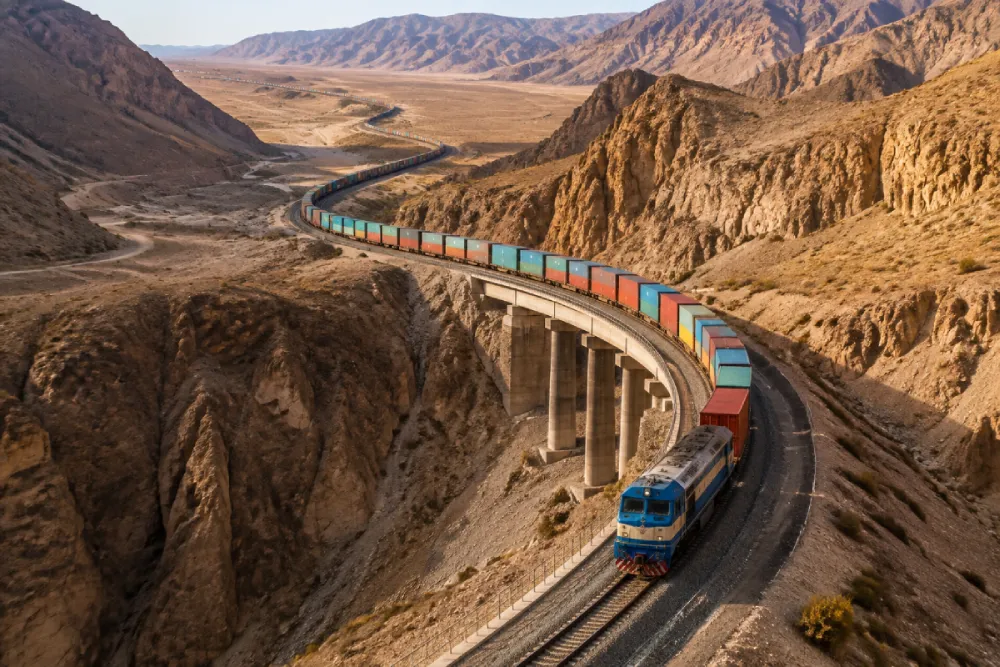
Yes, the Khvaf-Herat railway line is a major development in cross-border connectivity. However, most companies currently prefer a multi-modal strategy, combining rail with road freight to optimize delivery costs.
How can I mitigate risks during transit?
Reliable cargo insurance, meticulous documentation (Pro-forma and Packing Lists), and partnering with an experienced logistics firm that maintains a physical presence at border points are the essential pillars of risk management.