




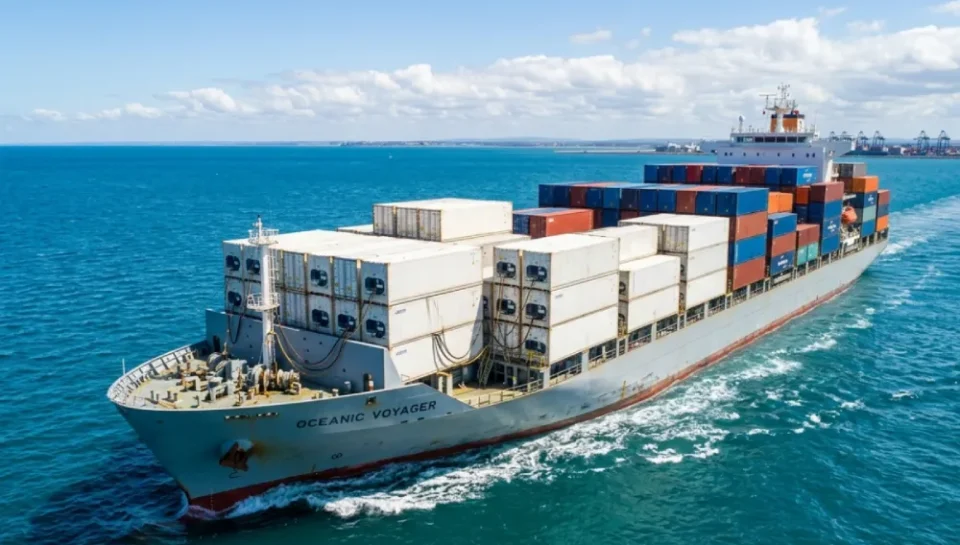
In the global trade arena, supply chain management extends far beyond merely moving goods from origin to destination; the primary challenge lies in preserving the quality and value of products throughout their journey. When dealing with temperature-sensitive cargo such as agricultural produce, pharmaceuticals, or specialized chemicals, the choice of transportation method and equipment can be the thin line between profitability and significant loss. In this context, the reefer container stands as the backbone of perishable and sensitive cargo logistics.
This article delves into the intricate details of reefer containers, their applications, and the critical considerations that every commercial manager or logistics professional must understand for successful international shipping.
What is a Reefer Container and How Does It Work?
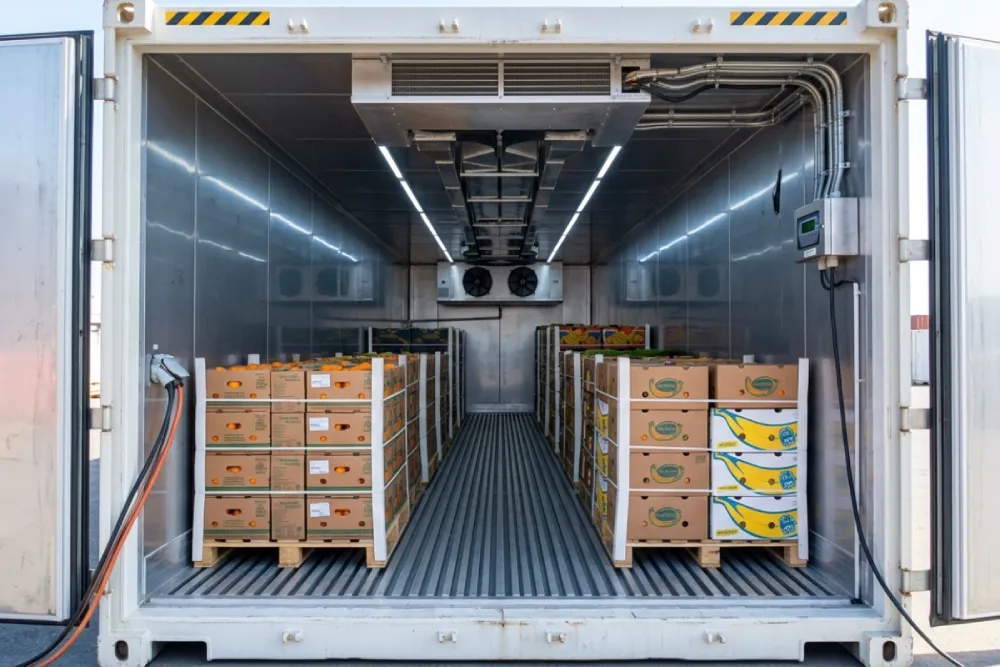
Contrary to common assumptions, a reefer container is not just a standard container filled with ice. It is a sophisticated, self-contained unit equipped with advanced systems for temperature control, ventilation, and humidity management.
These integrated systems allow operators to maintain precise internal temperatures within a wide range, from sub-zero to well above freezing. Furthermore, the adjustable airflow (Ventilation) capability helps prevent the buildup of gases produced by respiring products, such as fresh produce, and manages humidity levels to avoid spoilage or frost damage.
Types of Cargo Suitable for Reefer Transport
The application of reefer containers is diverse, not limited to a single product category. Careful consideration of the cargo type simplifies the selection of the appropriate service:
- Agricultural & Horticultural Products: From fresh fruits and vegetables to grains and legumes that require controlled temperature and humidity.
- Protein Products: Meat, fish, and other seafood products that necessitate consistently sub-zero temperatures.
- Pharmaceuticals & Biologics: Vaccines, sensitive medications, and laboratory samples where even minor temperature fluctuations can render them ineffective.
- Specialized Chemicals: Certain chemical substances that require controlled temperature conditions for stability.
- Dairy Products & Fermented Goods: These items are highly susceptible to environmental changes.
Advantages and Challenges of Reefer Container Shipping
When choosing this method, a balance between benefits and risks must be carefully considered.
Advantages:
- Product Quality Preservation: Ensures goods arrive at their destination with the same quality as when they were shipped.
- High Flexibility: Enables precise adjustment of environmental parameters (temperature, humidity, ventilation).
- Multi-modal Capability: These containers are primarily used in sea freight but can also be integrated into various land-based transport systems.
Challenges:
- Higher Costs: Due to energy consumption and sophisticated equipment, reefer transport rates are higher than those for standard containers.
- Need for Continuous Monitoring: Any minor failure in the refrigeration system or power interruption on long voyages can lead to irreparable damage.
- Operational Complexity: Requires specialized knowledge in loading, stowing, and setting up the machinery.
Key Considerations for Managing Sensitive Cargo
If you are a logistics professional, adhering to the following points is crucial for mitigating risks in reefer transport:
1. Correct Reefer Type and Initial Settings
It is vital to determine whether your product requires sub-zero (Frozen) or above-zero (Chilled) temperatures. Additionally, adjusting the ventilation level is critical for produce that emits respiratory gases.
2. Proper Loading and Stowage
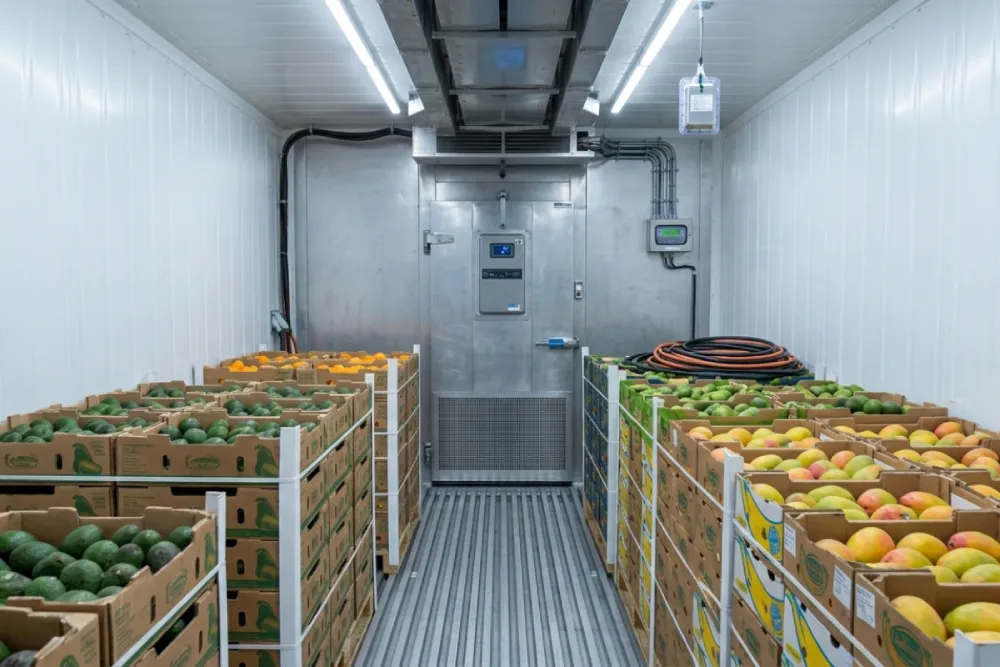
In reefer containers, airflow must be unobstructed. Improper stacking that blocks the cold air circulation path can lead to temperature rises in certain parts of the container, resulting in spoilage. Utilizing pallets to create under-floor space for air circulation is recommended.
3. Monitoring Equipment Performance
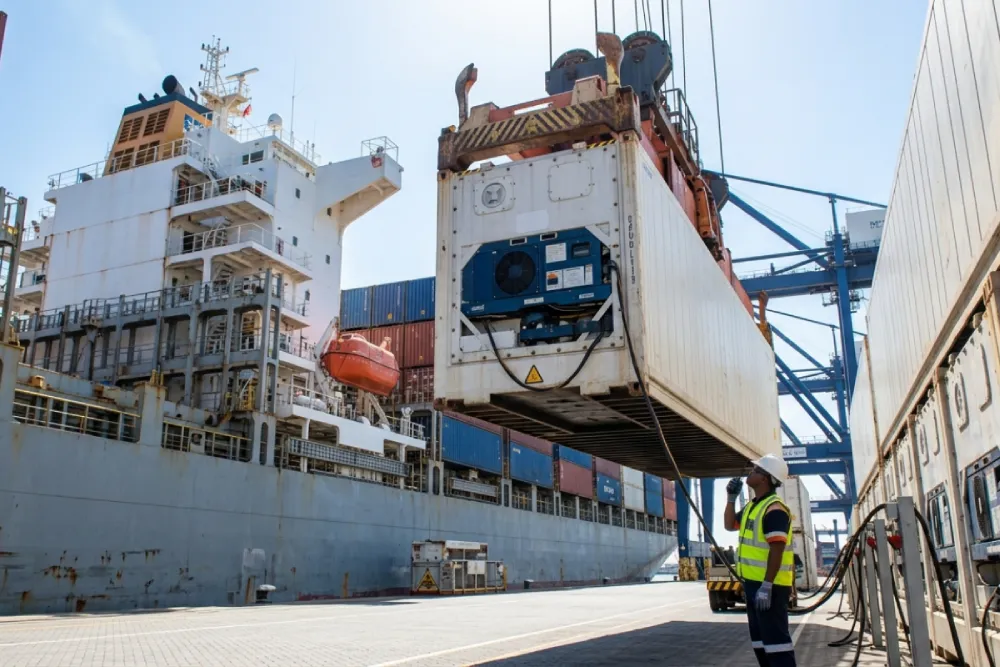
Verifying the operational status of the refrigeration unit (Reefer Unit) before departure and throughout the transit is an essential practice.
4. Supply Chain Risk Management
Always have contingency plans for power supply or rerouting in case of technical failures. Collaborating with a specialized international freight forwarder experienced in handling sensitive cargo can make a significant difference.
Conclusion
Reefer container shipping is more than just a standard logistics service; it’s an engineered process designed to preserve cargo value. Incorrect temperature settings, improper cargo stacking, or choosing the wrong service provider can result in the complete loss of a shipment’s value. Therefore, focusing on expertise, experience, and integrated solutions in supply chain management is key to success in this domain.
For expert consultation and to arrange the transport of your sensitive cargo, please contact the specialists at Apadana Tarabar to receive the most suitable logistics solution tailored to your specific cargo needs.
Frequently Asked Questions (FAQ)
What is the main difference between a reefer container and a standard container?
A reefer container is equipped with a motor and systems for precise temperature, humidity, and ventilation control, allowing the internal environment to be precisely managed to maintain cargo quality.
What types of cargo absolutely require reefer transport?
Temperature-sensitive products including fruits, vegetables, meat, fish, dairy products, sensitive pharmaceuticals, and certain chemicals whose stability is temperature-dependent.
Does the temperature inside a reefer container remain constant during transit?
If the equipment functions correctly and there are no power outages or technical failures, the temperature should remain stable within the set range. However, continuous monitoring of the refrigeration system is advised to ensure temperature stability on long journeys.
What factors influence the cost of reefer container shipping?
Factors such as product type, transit time, distance, cargo weight and volume, required temperature and humidity settings, and associated equipment and logistics management costs all contribute to the final freight rate.