




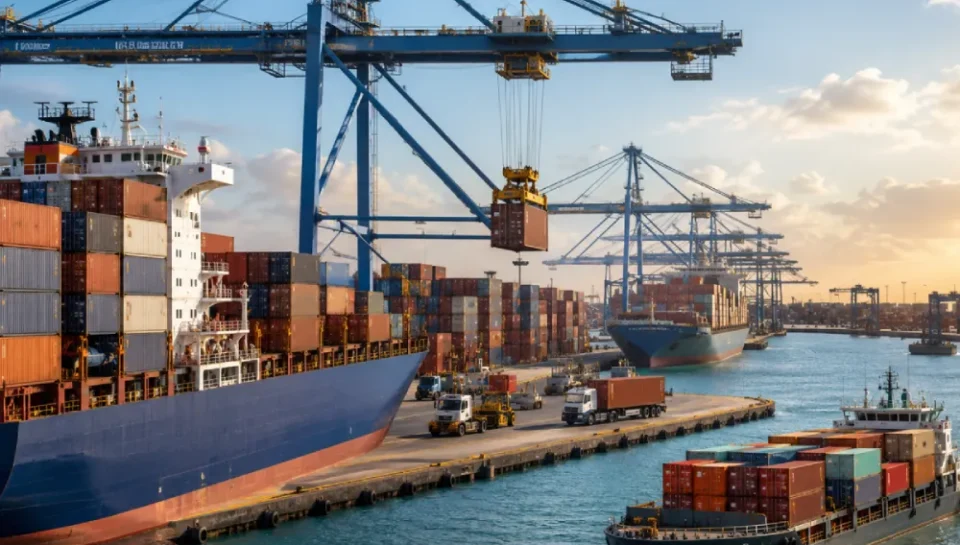
In the fast-paced and complex world of global commerce, moving goods from one corner of the earth to another is rarely a simple point-A-to-point-B equation. The international supply chain encounters numerous geographical, political, economic, and infrastructural hurdles that demand highly specialized and creative logistical solutions. When discussing the massive movement of commercial freight, specific industry terminology comes into play, and mastering these concepts is strictly essential for any successful merchant. Two of the most critical operations in modern shipping are Transshipment cargo routing and cross-stuffing. While many newcomers use these terms interchangeably, they possess vast structural, operational, and financial differences. In this comprehensive, SEO-optimized article, we will thoroughly explore the difference between handling Transshipment cargo and cross-stuffing. We will highlight how intelligent businesses can select the correct methodology to drastically cut overhead costs and maximize their supply chain velocity.
What is Transshipment Cargo and How Does it Work?
To properly understand the differences, we must first establish a precise definition of each operational procedure. Transshipment literally refers to the process of transferring goods from one mode of transport or vessel to another during the course of a journey, without the goods ever leaving their original loading unit (such as a shipping container). In the expansive industry of sea transport, this process occurs when a container is loaded and customs-sealed at the port of origin, then offloaded at an intermediate hub port, and immediately loaded—with its original seal completely intact—onto a second vessel to continue its voyage to the final destination. In this scenario, the internal contents of the container are never touched, and the box remains structurally uncompromised.
The Strategic Importance of Transshipment Cargo Routing
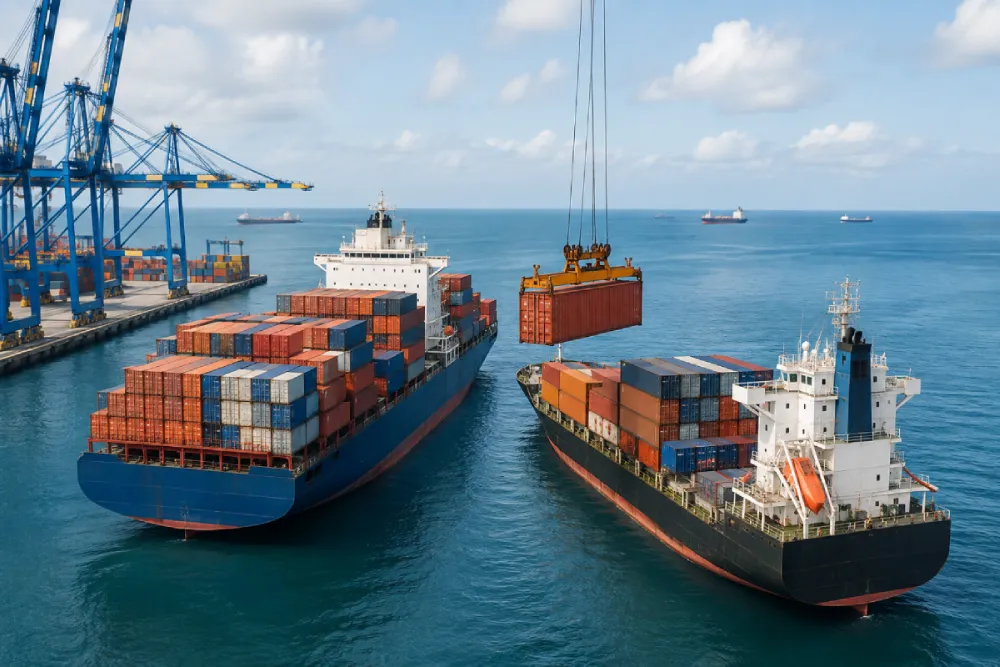
One might ask, why isn’t the cargo shipped directly on a single vessel from the very beginning? There are numerous strategic reasons for utilizing Transshipment cargo operations. Firstly, many destination ports worldwide suffer from shallow drafts or lack the heavy infrastructural cranes required to dock and service gigantic ocean-going vessels (megaships). In these situations, megaships discharge thousands of containers at massive intermediate hub ports (like Jebel Ali, Singapore, or Rotterdam). Subsequently, smaller feeder vessels collect this Transshipment cargo and distribute it to smaller destination ports. The second reason lies in the optimization of shipping line networks. To minimize operational costs, carriers limit direct, long-haul routes and instead employ a Hub-and-Spoke model, which fundamentally relies on transshipment efficiency.
Cargo Security During Transshipment Operations
One of the most pressing concerns for international traders is maintaining the safety and integrity of their goods over long oceanic voyages. Because the customs seal is never broken during a Transshipment cargo transfer, and no human hands directly interact with the cargo inside the box, the security of the commodities is maintained at the absolute highest level. The risk of theft, physical damage caused by rough manual handling of cartons or pallets, and exposure to harsh weather conditions (like rain or extreme humidity during unloading) is virtually reduced to zero.
Understanding Cross-Stuffing vs. Transshipment
Now that we have firmly grasped the initial concept, we must examine cross-stuffing to reveal the stark contrasts. Unlike handling Transshipment cargo, where the container is moved as a single untouched unit, cross-stuffing dictates that the physical contents of the origin container are completely unloaded and repacked into an entirely new container, which will receive a new identification number and a fresh customs seal. This intensive labor typically takes place at Container Freight Stations (CFS) within port zones, utilizing specialized machinery like heavy forklifts and trained stevedores. Thus, the primary difference lies in the “breaking of the seal and the physical handling of the goods.“
When is Cross-Stuffing Chosen Over Transshipment?
Even though routing Transshipment cargo is significantly safer and faster, merchants are occasionally forced to opt for cross-stuffing. This situation most frequently arises when the container belongs to a specific shipping line that is legally or politically restricted from entering the destination port (due to international sanctions or regional trade embargoes). Because the initial carrier will not permit its proprietary container to be transported by a competitor’s vessel to the final destination, the trader must discharge the cargo at an intermediate port and cross-stuff it into a container owned by a second, unrestricted shipping line.
Comparing Risks and Operational Hazards
When comparing the risk profiles of both methods, Transshipment cargo handling emerges as the far less hazardous option. In cross-stuffing, due to the opening of the container and the manual or mechanical transferring of goods, there is an inherent risk of physical damage, misplaced items, or an unbalanced weight distribution in the newly packed container. Consequently, executing a cross-stuffing operation requires the stringent oversight of cargo inspectors and the selection of a highly professional logistics partner to ensure the merchant’s capital is not compromised.
Cost and Time Comparison in Port Operations
For any international trader, effectively managing logistics costs and lead times is paramount. The velocity of capital turnover plays a direct role in the profitability and survival of global enterprises.
Operational Cost Analysis of Transshipment Cargo
The expenses associated with Transshipment cargo movements are generally calculated upfront and included in the total ocean freight rate quoted by the shipping line. In essence, when a merchant receives a Through Bill of Lading, the carrier takes full responsibility for receiving the cargo at origin and delivering it to the final destination. Therefore, the stevedoring costs of discharging from the first vessel and loading onto the second vessel at the intermediate hub are absorbed by the carrier (barring exceptional contractual clauses). This transparency makes financial budgeting for sea transport highly predictable for the business owner.
Uncovering the Hidden Costs of Cross-Stuffing
Conversely, cross-stuffing introduces multiple additional and often hidden logistical expenses. Fees for breaking the seal, labor and heavy machinery for unloading, temporary warehousing if the second vessel is delayed, reloading the cargo, and applying a new customs seal are all billed directly to the cargo owner. Furthermore, coordinating new customs documentation at the intermediate port for cross-stuffing is time-consuming, which drastically increases the risk of incurring severe demurrage charges (late container return fees) for the origin container. For these reasons, smart traders economically prefer Transshipment cargo operations whenever feasible.
The Role of Logistics Partners in Optimizing Cargo Flow
Selecting the appropriate routing methodology at transit ports requires deep industry experience, a strong grasp of international trade law, and intimate familiarity with global port infrastructures. A single documentary error or misaligned vessel schedule can lead to catastrophic financial losses.
Why Choose a Reliable International Transport Company?
To escape the labyrinth of technical and customs complexities, merchants require a robust executive partner. A highly professional international transport company, equipped with an extensive network of agents across major global ports, can engineer the most optimal routes for the cargo. By analyzing the cargo’s nature, destination regulations, and the client’s budget, these firms determine whether a shipment should proceed directly, utilize Transshipment cargo hubs, or undergo cross-stuffing due to legal blockades.
Specialized Solutions by Apadana Transport Company
In this critical arena, the Apadana transport company, backed by years of stellar experience in multimodal logistics, provides the safest and swiftest routing solutions for domestic and international traders alike. The unique expertise of the Apadana transport company in managing highly complex port operations ensures that clients experience absolute minimal delays in receiving their commodities. The elite specialists at this organization evaluate every potential scenario before the journey begins. By offering comprehensive transit services, they entirely eliminate the headaches associated with vessel switches, container coordination, and intermediary customs documentation. Relying on the deep industry knowledge of the Apadana transport company, your shipment will reach its final destination with elite-level security, whether via Transshipment cargo networks or alternative strategies.
The Impact of Commercial and Customs Documentation
Documentary and customs discrepancies form another crucial layer of distinction between these two logistical methods, carrying significant legal weight in global trade.
The Bill of Lading in Transshipment Operations
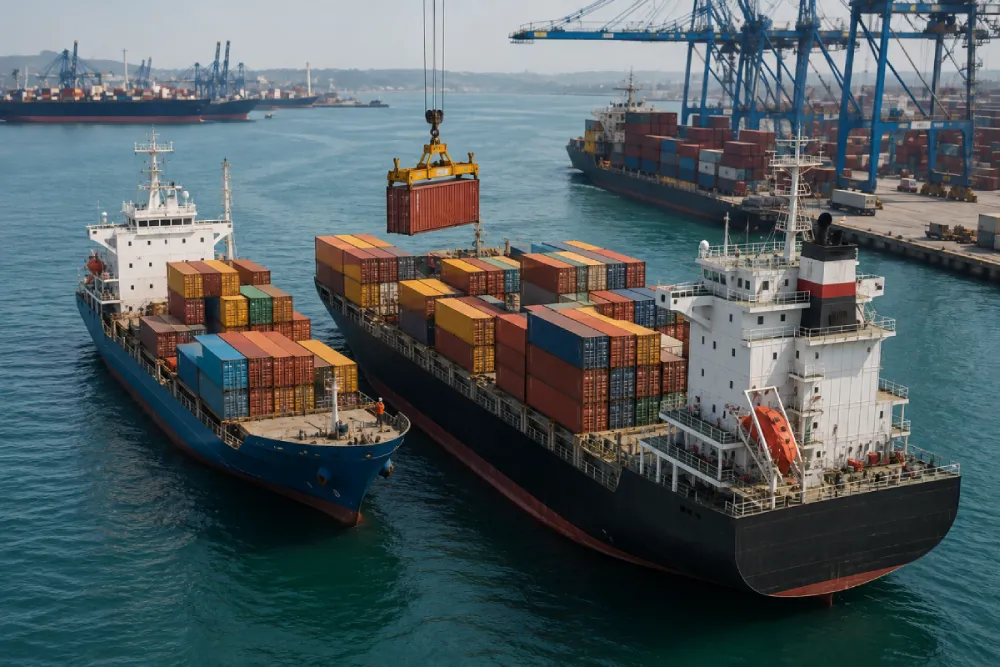
During Transshipment cargo operations, a Through Bill of Lading (Through B/L) is typically issued from the port of loading straight to the final port of discharge. This document explicitly states the origin, the final destination, and the specific Port of Transshipment where the container will jump between vessels. This documentary unity vastly simplifies the final customs clearance process. Furthermore, international banks readily accept these documents for Letters of Credit (LC) because the cargo liability remains continuously under the jurisdiction of a single, identifiable carrier from start to finish.
Documentary Complexities in Cross-Stuffing
However, during cross-stuffing, because the physical goods are transferred to a new container (and usually a new shipping line), a Switch Bill of Lading must often be issued at the intermediate port. This directly translates to altering the container number and seal number on official commercial documents. Managing this paperwork demands extreme precision and deep knowledge of customs legislature, as any discrepancy between the initial and secondary documents can result in cargo seizure or severely prolonged clearance delays, hindering smooth transit services.
Conclusion
The global trade industry demands constant dynamism and adaptability. Possessing a solid understanding of the differences between routing Transshipment cargo and executing cross-stuffing empowers merchants to make the best possible decisions during critical logistical bottlenecks. While handling Transshipment cargo—with its sealed, untouched containers—remains the safest, fastest, and most cost-effective method to overcome vessel limitations and port drafts, cross-stuffing retains its vital place as a strategic tool to bypass corporate restrictions and geopolitical embargoes. Succeeding in this challenging landscape is only achievable by partnering with a formidable logistics team like the Apadana transport company. By delivering top-tier transit services and flawless management of sea transport operations, they guarantee the sustained growth and stability of your business in the competitive international market.
Frequently Asked Questions About Transshipment Cargo
Is there a risk of cargo going missing during transshipment?
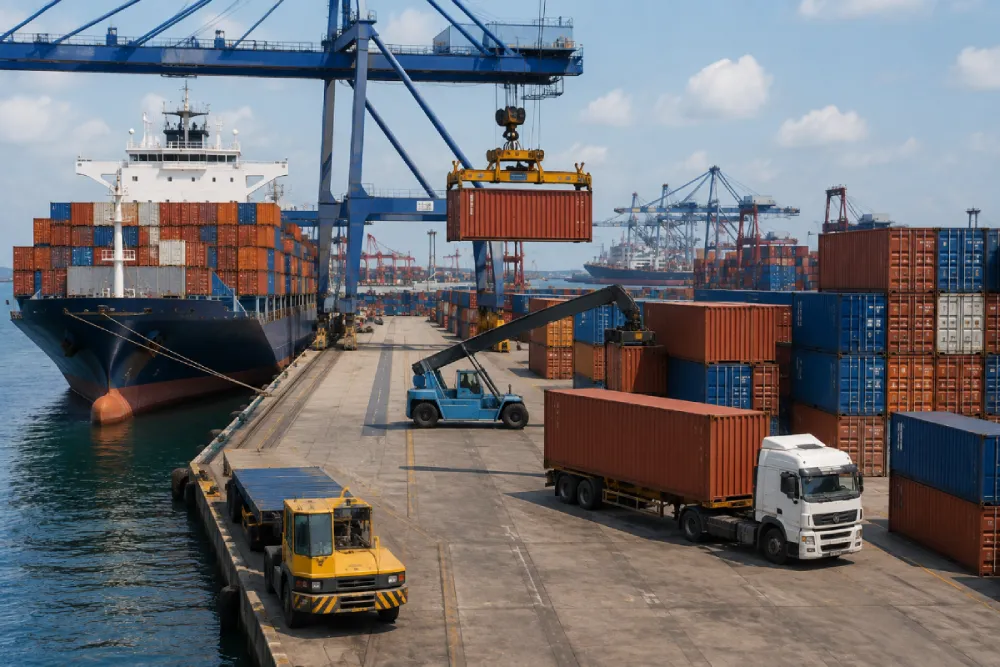
Because the container doors are never opened during this process, and the cargo is transferred to the second vessel under its original origin seal, the risk of cargo going missing, being pilfered, or facing inventory shortages mid-journey is practically zero. Only in the highly rare event of a catastrophic maritime disaster would the entire container be compromised, a scenario fully covered by marine insurance.
Who bears the operational costs of transshipment?
In the vast majority of cases, when a Through Bill of Lading is issued covering the origin to the final destination, the cost of moving the container at the intermediate hub (the transshipment cost) is the responsibility of the shipping line. It is pre-calculated into the total ocean freight rate, meaning the cargo owner will not face sudden, hidden handling fees at the hub.
How much time does transshipment add to the total voyage?
The dwell time at the intermediate hub port depends entirely on port congestion and the scheduling alignment of the feeder vessel (the second ship). This waiting period can range from just one or two days up to a full week. However, because routing Transshipment cargo is a standard, heavily optimized routine for major shipping lines, precise schedules are usually strictly maintained to prevent long, costly delays.
Is the cargo physically inspected by customs at the transshipment port?
No. Shipments that enter a hub port strictly for transshipment purposes are held in designated secure transit zones and do not officially enter the customs territory of the intermediary country. Consequently, there are no physical customs inspections, no import duties levied, and no clearance formalities required at the hub port, a factor that greatly accelerates the cargo’s journey.