در دنیای پیچیده و پر سرعت تجارت امروز، حمل و نقل کالاها از کشوری به کشور دیگر نیازمند دقت، امنیت و مدارک قانونی معتبر است. زمانی که شما قصد دارید محموله‌ای را به آن سوی آب‌ها بفرستید یا کالایی را وارد کنید، قطعاً یکی از بزرگ‌ترین دغدغه‌های شما این است که محموله با امنیت کامل و به صورت قانونی به مقصد برسد. در این مسیر، اسناد و مدارک تجاری نقش بسیار مهمی ایفا می‌کنند. یکی از حیاتی‌ترین این اسناد که مانند قلب تپنده تجارت بین‌الملل عمل می‌کند، بارنامه دریایی است.

شاید برایتان سوال پیش آمده باشد که اصلاً بارنامه دریایی چیست؟ این سند چه کاربردی دارد و چرا در روند تجارت جهانی تا این حد اهمیت دارد؟ آیا بدون این سند می‌توان کالایی را از طریق دریا جابه‌جا کرد؟ اگر قصد دارید با یک شرکت حمل و نقل بین المللی کار کنید، باید چه اطلاعاتی درباره این سند داشته باشید؟

شرکت حمل و نقل آپادانا که سال‌هاست به عنوان یک مرجع معتبر در زمینه حمل و نقل زمینی، ریلی، هوایی و دریایی فعالیت می‌کند، همواره تلاش کرده تا مسیر تجارت را برای بازرگانان هموار سازد. در این مقاله می‌خواهیم به زبانی ساده اما کاملاً تخصصی و جامع، به بررسی بارنامه دریایی بپردازیم و انواع، کاربردها و اهمیت آن را با هم بررسی کنیم تا اگر قصد استفاده از خدمات ترانزیت و ارسال بار را دارید، با دیدی باز و اطلاعاتی کامل قدم در این مسیر بگذارید. پس از شما دعوت می‌کنیم تا انتهای این مقاله جامع با ما همراه باشید.

بارنامه دریایی چیست؟ تعریف به زبان ساده

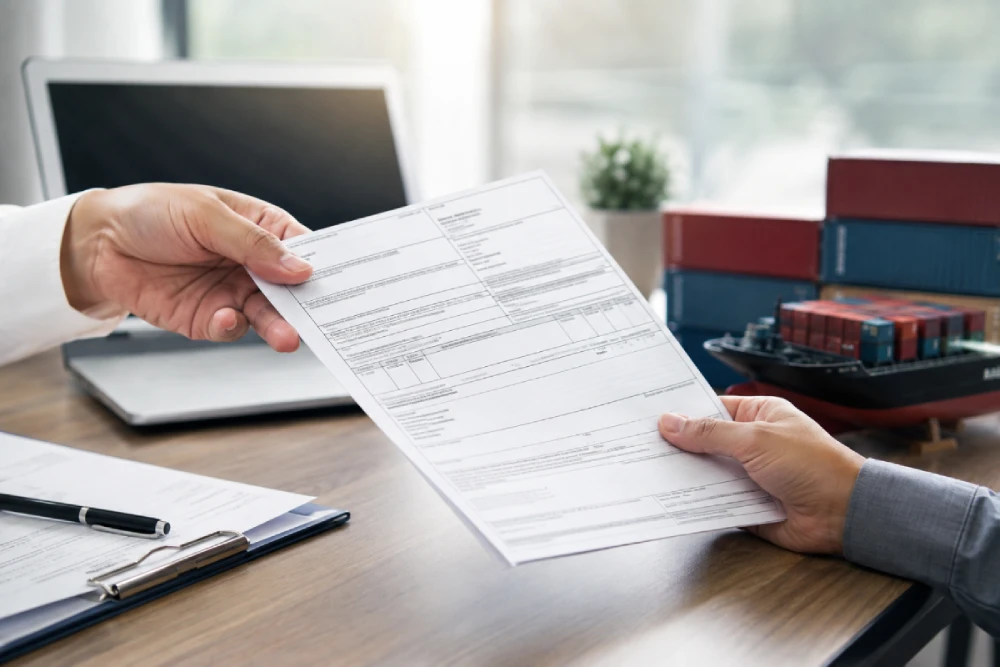
قبل از اینکه بخواهیم به سراغ بررسی مزایا، انواع و جزئیات فنی این سند برویم، بهتر است بدانیم که اصلاً بارنامه دریایی چیست و چه هویتی دارد. به زبان خیلی ساده، بارنامه دریایی (Bill of Lading) که به اختصار B/L نامیده می‌شود، یک سند قانونی و رسمی است که توسط متصدی حمل و نقل (مانند نماینده کشتی‌رانی یا شرکت حمل و نقل بین المللی) صادر می‌شود. این سند تأیید می‌کند که کالای مشخصی در شرایطی سالم و مطابق با توافقات، از فرستنده (Shipper) دریافت شده و در کشتی بارگیری شده است تا به مقصد مشخصی حمل و به گیرنده (Consignee) تحویل داده شود.

این سند در واقع شناسنامه کالای شما در طول مسیر حمل و نقل دریایی است. زمانی که شما بار خود را به شرکت حمل و نقل آپادانا می‌سپارید، این شرکت یا نماینده خطوط کشتیرانی، این سند را به عنوان رسیدی برای شما صادر می‌کند. بدون وجود این سند، عملاً هیچ کالایی نمی‌تواند به صورت قانونی از بنادر خارج یا به بنادر وارد شود و مالکیت کالا در هاله‌ای از ابهام قرار می‌گیرد.

Bill of Lading B/L

وظایف و کاربردهای اصلی بارنامه دریایی کدامند؟

حالا که با تعریف کلی این سند آشنا شدید، شاید این سوال برایتان ایجاد شود که کاربرد دقیق بارنامه دریایی چیست و چرا تا این حد روی آن تاکید می‌شود؟ این سند تنها یک تکه کاغذ ساده نیست، بلکه سه نقش و وظیفه بسیار مهم و حقوقی را به طور همزمان ایفا می‌کند که در ادامه آن‌ها را بررسی می‌کنیم:

1- رسید دریافت کالا (Receipt of Goods)

اولین و پایه‌ای‌ترین نقش بارنامه دریایی، عمل کردن به عنوان یک رسید معتبر است. زمانی که شما کالای خود را به متصدی حمل و نقل دریایی تحویل می‌دهید، این سند به شما اثبات می‌کند که بار شما با مشخصات دقیق (وزن، تعداد، حجم و نوع بسته‌بندی) توسط شرکت حمل‌کننده دریافت شده است. این رسید به شما اطمینان می‌دهد که بارتان در سلامت کامل تحویل داده شده است.

2- سند مالکیت کالا (Document of Title)

یکی از جذاب‌ترین و مهم‌ترین ویژگی‌های بارنامه دریایی این است که به عنوان سند مالکیت کالا شناخته می‌شود. یعنی کسی که اصل این بارنامه را در دست دارد (به شرطی که به نام او صادر شده باشد یا به او ظهرنویسی شده باشد)، مالک قانونی بار شناخته می‌شود. در مقصد، گیرنده کالا تنها در صورتی می‌تواند بار خود را از گمرک ترخیص کند که اصل این سند را ارائه دهد.

3- قرارداد حمل و نقل (Contract of Carriage)

این سند به عنوان شواهدی بر وجود یک قرارداد حمل و نقل بین المللی بین فرستنده بار و شرکت حمل‌کننده عمل می‌کند. تمامی شرایط و ضوابط حمل کالا، تعهدات شرکت حمل‌کننده و فرستنده در پشت این برگه نوشته شده است و هر دو طرف ملزم به رعایت آن هستند.

انواع بارنامه دریایی در تجارت جهانی

در تجارت بین‌الملل، محموله‌ها و شرایط قراردادها با یکدیگر تفاوت دارند. به همین خاطر، انواع مختلفی از بارنامه دریایی وجود دارد که هر کدام برای شرایط خاصی طراحی شده‌اند. شناخت این انواع به شما کمک می‌کند تا بهترین انتخاب را برای محموله خود داشته باشید. در ادامه مهم‌ترین انواع آن را بررسی می‌کنیم:

بارنامه مستقیم (Straight B/L)

این نوع بارنامه به نام یک شخص یا شرکت خاص و مشخص صادر می‌شود. نکته مهم در مورد این بارنامه این است که غیرقابل انتقال (Non-negotiable) است. یعنی مالکیت کالا فقط متعلق به همان شخصی است که نامش در سند ذکر شده و نمی‌توان آن را به شخص دیگری واگذار کرد. اگر قصد فروش کالا در طول مسیر را ندارید، این گزینه برای شما مناسب است.

بارنامه به حواله‌کرد (To Order B/L)

یکی از پرکاربردترین انواع بارنامه در حمل و نقل بین المللی، بارنامه به حواله‌کرد است. این سند قابل انتقال (Negotiable) است و معمولاً به نام گیرنده خاصی صادر نمی‌شود، بلکه عبارت “To Order” در آن درج می‌شود. این بدان معناست که فرستنده می‌تواند در طول مسیر حمل و نقل دریایی، با پشت‌نویسی (ظهرنویسی) بارنامه، مالکیت کالا را به شخص یا شرکت دیگری منتقل کند. این نوع سند در اعتبارات اسنادی (LC) بسیار کاربرد دارد.

بارنامه حامل (Bearer B/L)

در این نوع بارنامه دریایی، نام هیچ شخص خاصی به عنوان گیرنده نوشته نمی‌شود. در عوض، هر کسی که اصل این سند را در دست داشته باشد، مالک بار شناخته می‌شود و می‌تواند کالا را تحویل بگیرد. استفاده از این نوع بارنامه ریسک بسیار بالایی دارد؛ زیرا در صورت گم شدن یا به سرقت رفتن، هر کسی می‌تواند بار را تحویل بگیرد.

بارنامه تمیز یا بدون قید و شرط (Clean B/L)

زمانی که کالا به متصدی حمل تحویل داده می‌شود، اگر ظاهر بسته‌بندی‌ها کاملاً سالم باشد و هیچ نشانه‌ای از خرابی، پارگی یا آسیب فیزیکی در آن‌ها دیده نشود، شرکت حمل‌کننده بارنامه تمیز صادر می‌کند. در تجارت بین‌الملل و برای دریافت وجه از بانک‌ها، داشتن یک بارنامه دریایی تمیز الزامی است.

بارنامه مخدوش یا شرط‌دار (Claused / Foul B/L)

اگر در زمان تحویل بار به کشتی، کالاها دارای آسیب‌دیدگی باشند، بسته‌بندی‌ها پاره شده باشند یا تعداد آن‌ها با اظهارات فرستنده همخوانی نداشته باشد، کاپیتان کشتی یا شرکت حمل‌کننده این موارد را در سند درج می‌کند. به این نوع سند، بارنامه مخدوش گفته می‌شود. بانک‌ها معمولاً از پذیرش این نوع اسناد خودداری می‌کنند.

بارنامه دریایی

اهمیت بارنامه دریایی در تجارت و خدمات ترانزیت

تا به اینجا با کاربردها و انواع مختلف بارنامه دریایی آشنا شدیم. اما چرا وجود این سند تا این حد در زنجیره تامین حیاتی است؟ هنگامی که شما از خدمات ترانزیت بین‌المللی استفاده می‌کنید، فاصله‌های فیزیکی بسیار زیادی بین خریدار و فروشنده وجود دارد. این فاصله باعث ایجاد ریسک عدم پرداخت وجه توسط خریدار یا عدم ارسال کالا توسط فروشنده می‌شود. بارنامه دریایی در سیستم‌های بانکی (به ویژه اعتبار اسنادی یا L/C) به عنوان یک تضمین عمل می‌کند. بانک خریدار، پول را تنها زمانی به فروشنده پرداخت می‌کند که فروشنده بتواند اصل این سند را ارائه دهد که نشان‌دهنده بارگیری قطعی کالا در کشتی است.

علاوه بر این، برای انجام امور گمرکی، محاسبه ارزش بیمه و پیگیری مسیر محموله، وجود این سند الزامی است. شرکت حمل و نقل آپادانا با تکیه بر تیم متخصص خود، همواره اطمینان حاصل می‌کند که تمامی اسناد، از جمله بارنامه دریایی، با نهایت دقت و بدون هیچ‌گونه نقصی برای مشتریان صادر شود تا فرآیند ترخیص کالا در مقصد با سرعت و بدون مشکل انجام پذیرد.

چه اطلاعاتی در بارنامه دریایی ثبت می‌شود؟

برای اینکه یک بارنامه دریایی معتبر و قانونی باشد، باید حاوی اطلاعات بسیار دقیق و مشخصی باشد. هرگونه اشتباه تایپی یا مغایرت در این اطلاعات می‌تواند باعث توقف بار در گمرک مقصد و ایجاد هزینه‌های سنگین دموراژ (حق توقف) شود. مهم‌ترین اطلاعاتی که در این سند درج می‌شوند عبارتند از:

سوالات متداول درباره بارنامه دریایی

در روند تجارت بین‌الملل، همواره سوالات متعددی ذهن تجار را به خود درگیر می‌کند. در این بخش قصد داریم به رایج‌ترین سوالات درباره این سند مهم پاسخ دهیم.

بارنامه دریایی توسط چه کسی صادر می‌شود؟

این سند منحصراً توسط متصدی حمل و نقل، نماینده قانونی خطوط کشتیرانی، یا یک شرکت حمل و نقل بین المللی معتبر صادر می‌شود. پس از تایید بارگیری کالا روی کشتی، کاپیتان یا نماینده شرکت حمل، این سند را امضا و مهر می‌کند.

آیا بارنامه دریایی قابل انتقال به شخص دیگری است؟

بله، اما بستگی به نوع آن دارد. اگر بارنامه به صورت “To Order” (به حواله‌کرد) صادر شده باشد، مالک می‌تواند با پشت‌نویسی و مهر کردن آن، مالکیت بار را در طول مسیر به شخص یا شرکت دیگری واگذار کند. اما بارنامه‌های مستقیم (Straight) این قابلیت را ندارند.

در صورت مفقود شدن اصل بارنامه دریایی چه باید کرد؟

گم شدن این سند یکی از بزرگ‌ترین چالش‌ها در تجارت است؛ زیرا بدون آن ترخیص کالا غیرممکن است. در صورت مفقودی، گیرنده یا فرستنده باید بلافاصله به شرکت حمل‌کننده اطلاع دهد. فرآیند صدور مجدد آن نیازمند ارائه ضمانت‌نامه‌های بانکی سنگین (معمولاً به ارزش چند برابر کل کالا) و طی کردن مراحل حقوقی زمان‌بر است.

نقش شرکت‌های فورواردر در صدور این سند چیست؟

شرکت‌های فورواردر و ارائه‌دهندگان خدمات ترانزیت مانند آپادانا، می‌توانند بارنامه‌های داخلی (House B/L) صادر کنند. در این حالت، شرکت آپادانا بارنامه اصلی (Master B/L) را از خط کشتیرانی دریافت کرده و برای مشتریان خود که خرده‌بار دارند، بارنامه‌های تفکیک‌شده صادر می‌کند تا فرآیند کار برای مشتری راحت‌تر و منعطف‌تر شود.

بارنامه دریایی

نتیجه‌گیری

در این مقاله به طور جامع بررسی کردیم که بارنامه دریایی چیست و چه کاربردهایی در دنیای تجارت دارد. متوجه شدیم که این سند تنها یک رسید ساده نیست، بلکه سند مالکیت کالا و نماد قرارداد شما با شرکت حمل‌کننده است. انتخاب درست نوع بارنامه و دقت در صحت اطلاعات درج شده در آن، می‌تواند شما را از بسیاری از خطرات حقوقی و مالی در مسیر تجارت جهانی در امان نگه دارد.

تجارت در سطح جهانی نیازمند داشتن شرکایی قدرتمند و متخصص است. شرکت حمل و نقل آپادانا با بهره‌گیری از متخصصان مجرب در حوزه حمل و نقل بین المللی و تسلط کامل بر قوانین صدور اسناد تجاری، در کنار شماست تا با ارائه بهترین خدمات ترانزیت و حمل و نقل دریایی، محموله‌های شما را با بالاترین سطح امنیت و در کوتاه‌ترین زمان ممکن به مقصد برساند.

امیدواریم این مقاله به شما کمک کرده باشد که با اطمینان خاطر بیشتری گام در مسیر تجارت بین‌الملل بگذارید و اسناد حمل خود را با آگاهی کامل مدیریت کنید.

دیدگاهتان را بنویسید

نشانی ایمیل شما منتشر نخواهد شد. بخش‌های موردنیاز علامت‌گذاری شده‌اند *

In the fast-paced and complex world of modern trade, moving goods from one country to another requires precision, security, and valid legal documentation. When you intend to ship cargo overseas or import goods, one of your biggest concerns is undoubtedly ensuring that the shipment arrives safely and legally at its destination. In this journey, commercial documents play a crucial role. One of the most vital documents, which acts as the beating heart of international trade, is the Bill of Lading B/L.

You might be wondering, what exactly is a Bill of Lading B/L? What is its purpose, and why is it so important in global trade? Can goods be transported by sea without this document? If you plan to work with an international transport company, what information do you need to know about this document?

Apadana Transport Company, which has been operating for years as a highly credible reference in the field of ground, rail, air, and sea transport, has always strived to pave the way for merchants. In this article, we want to explore the Bill of Lading B/L in a simple yet highly specialized and comprehensive manner, examining its types, applications, and importance. This way, if you intend to use transit services and ship cargo, you can step into this path with open eyes and full information. So, we invite you to stay with us until the end of this comprehensive article.

What is a Bill of Lading (B/L)? A Simple Definition

Before we dive into the benefits, types, and technical details of this document, it is better to understand what a Bill of Lading B/L actually is and what its identity is. In very simple terms, a Bill of Lading B/L is a legal and official document issued by a carrier (such as a shipping line agent or an international transport company). This document confirms that specific goods, in good condition and according to agreements, have been received from the shipper and loaded onto a vessel to be transported to a specific destination and delivered to the consignee.

This document is essentially the ID card of your goods during sea transport. When you entrust your cargo to Apadana Transport Company, this company or the shipping line agent issues this document as a receipt for you. Without this document, practically no goods can legally leave or enter ports, and the ownership of the goods remains completely ambiguous.

Bill of Lading B/L

What are the Main Functions and Applications of a Bill of Lading?

Now that you are familiar with the general definition of this document, you might wonder what the exact application of a Bill of Lading B/L is and why it is emphasized so much? This document is not just a simple piece of paper; it simultaneously performs three very important and legal roles, which we will examine below:

1- Receipt of Goods

The first and most fundamental role of the Bill of Lading B/L is acting as a valid receipt. When you deliver your cargo to the sea transport carrier, this document proves to you that your goods, with precise specifications (weight, quantity, volume, and packaging type), have been received by the carrier. This receipt assures you that your cargo was handed over in perfect condition.

2- Document of Title

One of the most fascinating and important features of a Bill of Lading B/L is that it is recognized as a document of title to the goods. This means that whoever holds the original copy of this document (provided it is issued in their name or endorsed to them) is legally recognized as the owner of the cargo. At the destination, the consignee can only clear their goods from customs if they present the original document.

3- Contract of Carriage

This document serves as evidence of an international transport contract between the shipper and the carrier. All terms and conditions of cargo transport, as well as the obligations of both the carrier and the shipper, are written on the back of this paper, and both parties are bound to adhere to them.

What are the Types of Bill of Lading in Global Trade?

In international trade, shipments and contract terms vary significantly. Because of this, there are various types of Bill of Lading B/L, each designed for specific circumstances. Knowing these types helps you make the best choice for your shipment. Below we review the most important types:

Straight B/L

This type of bill is issued in the name of a specific person or company. The important point about this document is that it is non-negotiable. This means that the ownership of the goods solely belongs to the person whose name is mentioned on the document and cannot be transferred to anyone else. If you do not intend to sell the goods while they are in transit, this is a suitable option for you.

To Order B/L

One of the most widely used types of bills in international transport is the To Order B/L. This document is negotiable and is usually not issued in the name of a specific consignee; instead, the phrase “To Order” is inserted. This means the shipper can transfer the ownership of the goods to another person or company during the sea transport process by endorsing (signing the back of) the bill. This type of document is heavily used in Letter of Credit (LC) transactions.

Bearer B/L

In this type of Bill of Lading B/L, no specific person’s name is written as the consignee. Instead, whoever holds the original document is recognized as the owner of the cargo and can take delivery of the goods. Using this type of bill carries a very high risk, as in the event of loss or theft, anyone can claim the cargo.

Clean B/L

When the goods are delivered to the carrier, if the physical appearance of the packages is completely intact and there are no signs of damage, tearing, or physical harm, the carrier issues a Clean B/L. In international trade and especially for receiving funds from banks, having a clean Bill of Lading B/L is strictly mandatory.

Claused / Foul B/L

If the goods are damaged when delivered to the ship, the packaging is torn, or the quantity does not match the shipper’s declaration, the ship’s captain or the carrier notes these issues on the document. This type of document is called a Claused B/L. Banks usually refuse to accept these types of documents.

بارنامه دریایی

The Importance of the Bill of Lading in Trade and Transit Services

So far, we have become familiar with the various applications and types of the Bill of Lading B/L. But why is the existence of this document so vital in the supply chain? When you use international transit services, there are massive physical distances between the buyer and the seller. This distance creates the risk of non-payment by the buyer or non-shipment of goods by the seller. The Bill of Lading B/L acts as a guarantee in banking systems (especially Letters of Credit). The buyer’s bank will only release the money to the seller when the seller can present the original document, which indicates the definitive loading of the goods onto the ship.

Furthermore, this document is mandatory for customs clearance, calculating insurance value, and tracking the cargo’s route. Apadana Transport Company, relying on its specialized team, always ensures that all documents, including the Bill of Lading B/L, are issued with utmost accuracy and without any flaws for customers so that the customs clearance process at the destination proceeds swiftly and smoothly.

What Information is Recorded in a Bill of Lading?

For a Bill of Lading B/L to be legally valid, it must contain very precise and specific information. Any typographical error or discrepancy in this information can cause the cargo to be stopped at the destination customs, leading to heavy demurrage costs. The most important information recorded in this document includes:


Frequently Asked Questions About the Bill of Lading

In the course of international trade, numerous questions constantly occupy the minds of merchants. In this section, we intend to answer the most common questions about this important document.

Who issues the Bill of Lading?

This document is exclusively issued by the carrier, the legal representative of the shipping line, or a reputable international transport company. After verifying the loading of the goods onto the ship, the captain or the carrier’s representative signs and stamps this document.

Is the Bill of Lading transferable to another person?

Yes, but it depends on its type. If the bill is issued as “To Order”, the owner can transfer the ownership of the cargo to another person or company during transit by endorsing and stamping it. However, Straight bills do not have this capability.

What should be done if the original Bill of Lading is lost?

Losing this document is one of the biggest challenges in trade, as clearing the goods without it is impossible. In case of loss, the consignee or shipper must immediately notify the carrier. The process of reissuing it requires providing heavy bank guarantees (usually worth several times the total value of the goods) and going through a time-consuming legal process.

What is the role of forwarder companies in issuing this document?

Forwarding companies and providers of transit services, like Apadana, can issue internal bills (House B/L). In this scenario, Apadana Company receives the main bill (Master B/L) from the shipping line and issues split bills for its customers who have less-than-container loads, making the process much easier and more flexible for the customer.

بارنامه دریایی

Conclusion

In this article, we comprehensively examined what a Bill of Lading B/L is and its applications in the business world. We learned that this document is not just a simple receipt, but a document of title to the goods and the symbol of your contract with the carrier. Choosing the right type of bill and ensuring the accuracy of the information recorded in it can protect you from many legal and financial risks in the path of global trade.

Trading on a global scale requires having powerful and specialized partners. Apadana Transport Company, utilizing experienced professionals in the field of international transport and full mastery of the rules for issuing commercial documents, is by your side to deliver your shipments with the highest level of security and in the shortest possible time by offering the best transit services and sea transport.

We hope this article has helped you step into the path of international trade with more peace of mind and manage your shipping documents with full awareness.

دیدگاهتان را بنویسید

نشانی ایمیل شما منتشر نخواهد شد. بخش‌های موردنیاز علامت‌گذاری شده‌اند *