
مسافت جغرافیایی کوتاه میان بنادر امارات متحده عربی و سواحل جنوبی ایران، تجارت در این کریدور را به یکی از پویاترین شریانهای بازرگانی خاورمیانه تبدیل کرده است. با این حال، تجار، واردکنندگان قطعات صنعتی و بازرگانان بازار الکترونیک بهخوبی میدانند که نزدیکی روی نقشه، لزوماً به معنای تحویل فوری کالا نیست. ترافیک بارگیری در بنادری چون جبل علی، فرآیندهای بازرسی اسنادی، مانیفست گمرکی و ماهیت محموله میتوانند یک محموله بهظاهر فوری را روزها یا هفتهها معطل نگه دارند. وقتی پای تعهدات قراردادی، تولید خطوط صنعتی و زنجیره تأمین در میان است، انتخاب دقیقترین شیوه انتقال، سودآوری یا خسارت یک معامله را تعیین میکند.
برای دستیابی به حداقل زمان چرخه انتقال (Transit Time)، بازرگانان باید توازن میان فوریت زمانی، حجم و وزن بار و هزینههای عملیاتی را بسنجند. بررسی سازوکار مسیرهای دریایی سریع، پروازهای باری و حتی ترکیب روشها به شما کمک میکند در کمترین زمان ممکن، محموله تجاری خود را از مبدأ دبی در گمرک شهید رجایی یا فرودگاه بندرعباس تحویل بگیرید.
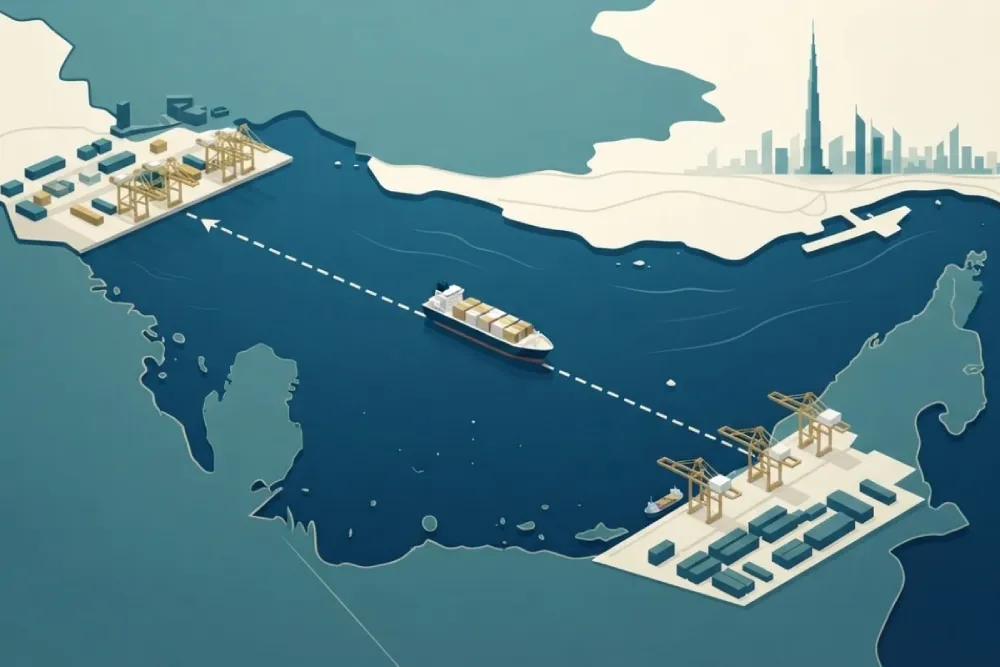
مقایسه کانالهای حمل بار تجاری بین امارات و بندرعباس
تجارت میان دبی و بندرعباس متکی به دو بستر اصلی است: خطوط آبی خلیج فارس و ترانزیت هوایی. هرکدام از این دو روش زیرشاخهها و راهکارهای عملیاتی ویژهای دارند که شناخت تفاوتهای آنها برای تخمین زمان رسیدن کالا ضروری است.
به طور کلی برای مدیریت موفق فرآیند حمل بار از دبی، شناخت ساختار حمل، نوع اسناد مورد نیاز و استانداردهای بستهبندی در خطوط امارات و ایران ضرورت دارد.
حمل هوایی باری (Air Freight): سریعترین انتخاب در شرایط اضطراری
اگر فاکتور زمان اولویت مطلق زنجیره تأمین شماست، خطوط باربری هوایی بیرقیب هستند. جابهجایی بار از طریق فرودگاه بینالمللی دبی (DXB) یا فرودگاه آل مکتوم (DWC) به سمت فرودگاه بینالمللی بندرعباس معمولاً برای کالاهای حساس و باارزش استفاده میشود.
- مدت زمان جابهجایی: پرواز خالص میان دو شهر کمتر از ۴۵ دقیقه طول میکشد؛ اما با در نظر گرفتن مراحل سورتینگ، هندلینگ فرودگاهی و صدور بارنامه هوایی (AWB)، فرآیند معمولاً ظرف ۲۴ تا ۴۸ ساعت کاری تکمیل میشود.
- کالاهای مناسب: قطعات یدکی خطوط تولید کارخانجات، تجهیزات پزشکی دقیق، قطعات الکترونیکی و نمونههای تجاری حساس به زمان.
- مزیت اصلی: ایمنی حداکثری و حداقل اتلاف زمان در انبارداریهای فرودگاهی.
استفاده از خدمات حمل و نقل هوایی اگرچه بالاترین نرخ کرایه را نسبت به هر کیلوگرم دارد، اما در شرایطی که توقف خط تولید هزینهای سنگینتر به بار میآورد، اقتصادیترین تصمیم فنی به شمار میرود.
شناورهای تندرو و خطوط رول آن/رول آف (Ro-Ro)
در حوزه ترابری دریایی، تفاوت فاحشی میان کشتیهای بزرگ کانتینری و شناورهای سریع کاتاماران یا لندینگکرافتهای موتوری مجهز وجود دارد. شناورهای رو-رو یا لندینگکرافتهایی که مستقیماً کامیون یا تریلر بارگیریشده را جابهجا میکنند، فرآیند تخلیه و بارگیری جرثقیل را حذف کرده و زمان را به حداقل میرسانند.
- مدت زمان جابهجایی: زمان دریانوردی بین بنادر دبی/شارجه تا بندر شهید رجایی بسته به نوع موتور شناور و شرایط دریایی بین ۸ تا ۱۶ ساعت متغیر است.
- کالاهای مناسب: کالاهای پروژهای، ماشینآلات آماده حرکت، کالاهای فسادپذیر و محمولههای با تناژ بالا که نیازمند تردد مستقیم زمینی هستند.
- مزیت اصلی: بارگیری مستقیم کانتینر یا تریلر بدون نیاز به عملیات استریپ یا بارچینی مجدد در بندر مقصد.
خطوط فیدر و کشتیهای کانتینری مستقیم
کشتیهای فیدر اختصاصی که در مسیر دبی به بندرعباس تردد دارند، حجم انبوهی از بارها را جابهجا میکنند. اگرچه سرعت دریانوردی آنها مانند لنجها یا شناورهای تندرو نیست، اما زمانبندی هفتگی دقیق دارند.
بهرهگیری از خدمات اختصاصی کانتینری در قالب حمل و نقل دریایی، گزینه بهینه بازرگانانی است که حجم محمولهشان بالاتر از استانداردهای حمل هوایی است اما همچنان به ترانزیت تایم قابل پیشبینی ۵ تا ۷ روزه (شامل رزرو کانتینر، نوبتدهی اسکله و ترخیص اولیه) نیاز دارند.
چه عواملی زمان حمل بار تجاری را کوتاه یا طولانی میکنند؟
سرعت حمل کالا تنها به اسب بخار موتور شناور یا سرعت هواپیما وابسته نیست. در زنجیره لجستیک بینالمللی، گلوگاههای پنهانی وجود دارند که بیتوجهی به آنها ترانزیت چندساعته را به یک ماه اتلاف وقت تبدیل میکند:
۱. کامل بودن پکینگ لیست و اسناد بازرگانی (Customs Clearance Prep)
هرگونه مغایرت در فهرست عدلبندی (Packing List)، گواهی مبدأ (COO) یا سیاهه تجاری (Commercial Invoice) سبب توقف محموله در انبار گمرک جبل علی یا بندر شهید رجایی میشود. ارائه کدهای تعرفه گمرکی (HS Code) نادرست رایجترین اشتباه بازرگانان کمتجربه است.
۲. نوع محموله و مجوزهای ایمنی (MSDS)
کالاهایی که ماهیت شیمیایی، مایع، باتریدار یا پودری دارند، طبق ضوابط IATA و IMO کالای خطرناک (Dangerous Goods) شناخته میشوند. بررسی و تأیید برگه اطلاعات ایمنی کالا (MSDS) توسط خطوط هوایی یا کشتیرانی در صورت عدم مدیریت پیشدستانه، چندین روز زمان میبرد.
۳. ترافیک اسکله و نوبتدهی پایانههای تخلیه
بندر شهید رجایی به عنوان دروازه اصلی دریایی کشور دارای پایانههای تخلیه متعدد کانتینری است. انتخاب کشتیهایی که دارای حق تقدم پهلوگیری در اسکله یا لاین انحصاری تخلیه کانتینر هستند، نقشی اساسی در جلوگیری از حبس کالا روی لنگرگاه دارد.

مدیریت فوریتهای لجستیکی با شرکتهای متخصص
هماهنگی بین بنادر مبدأ، خطوط حمل، امور فورواردری و اسناد بینالمللی کاری نیست که بتوان آن را به دلالان متفرقه سپرد. در این زمینه، همکاری با یک شرکت حمل و نقل بین المللی معتبر تضمین میکند که بارنامه رسمی (FIATA Bill of Lading)، تعهدات بیمه نامه معتبر (All Risks CMR/Marine) و هماهنگی دقیق انبار به بندر بهموقع انجام پذیرد.
در سناریوهای بازرگانی واقعی، اگر شما نیاز داشته باشید ۲۰ تن مواد اولیه را در زمانی کمتر از ۴ روز کاری از انبارهای شارجه به خط تولید اصفهان برسانید، صرفاً انتخاب شناور سریع کافی نیست؛ بلکه نیاز به هماهنگی ترانزیت داخلی و تشریفات خروج سریع دارید. در چنین مواردی، مشاوران متخصص در مجموعه شرکت حمل و نقل آپادانا با استقرار نمایندگان محلی در بنادر امارات و پایانههای خلیج فارس، کلیه مراحل بارگیری سریع، بوکینگ و هدایت محموله را به عنوان یک شرکت باربری بین المللی باسابقه پوشش میدهند تا کالای شما بدون وقفه در خط سیر قرار گیرد.
راهنمای گامبهگام برای سریعترین ترانزیت کالا
برای جلوگیری از تأخیرهای ناخواسته در این مسیر پرتردد، اجرای فرآیند زیر توصیه میشود:
- اعتبارسنجی مدارک خرید در مبدأ: تطبیق دقیق پیشفاکتور با مجوزهای ثبت سفارش پیش از آغاز فرایند حمل.
- بررسی نوع واگذاری کانتینر (FCL در مقابل LCL): اگر محموله شما خردهبار (LCL) است، ادغام آن با بارهای دیگر در دبی و تفکیک آن در مقصد زمانبر است. در صورت فوریت، اجاره یک کانتینر کامل (FCL) یا استفاده از پرواز باری، چند روز در زمان شما صرفهجویی میکند.
- انتخاب ترم تحویل کالا (Incoterms): تعیین ترمهایی چون FCA یا FOB به جای EXW، مسئولیت تحویل کالا به پایانه مبدأ را شفاف کرده و سرعت عمل را بالا میبرد.
- رزرو زودهنگام فضا (Booking Slot): رزرو خط ترابری حداقل ۴۸ ساعت قبل از ترخیص کالا از انبارهای امارات.
- استفاده از کارگزاران ترخیص همزمان: ارسال پیشاسناد به بندرعباس قبل از رسیدن فیزیکی شناور، تا اظهارنامه گمرکی در سامانه جامع امور گمرکی (EPL) آماده ثبت باشد.
سوالات متداول
سریعترین روش ارسال بار از دبی به بندرعباس چیست؟
سریعترین روش، کارگو هوایی از طریق پروازهای باری مستقیم است که زمان پروازی کمتر از یک ساعت دارد و کل فرآیند تحویل فرودگاهی آن بین ۲۴ تا ۴۸ ساعت طول میکشد.
حمل دریایی کانتینری از جبل علی به بندرعباس چند روز طول میکشد؟
دریانوردی خالص معمولاً بین ۱۲ تا ۲۴ ساعت زمان میبرد؛ اما احتساب زمان بارگیری کانتینر، نوبت اسکله و تشریفات اداری در بنادر معمولاً کل ترانزیت تایم را به ۳ تا ۷ روز میرساند.
برای کاهش زمان در روش دریایی چه تمهیدی پیشنهاد میشود؟
استفاده از لندینگکرافتها و خطوط رو-رو یا بارگیری در شناورهای تندرو به صورت FCL (کانتینر دربست)، زمان توقف برای تجمیع یا تفکیک بار را به صفر میرساند.