




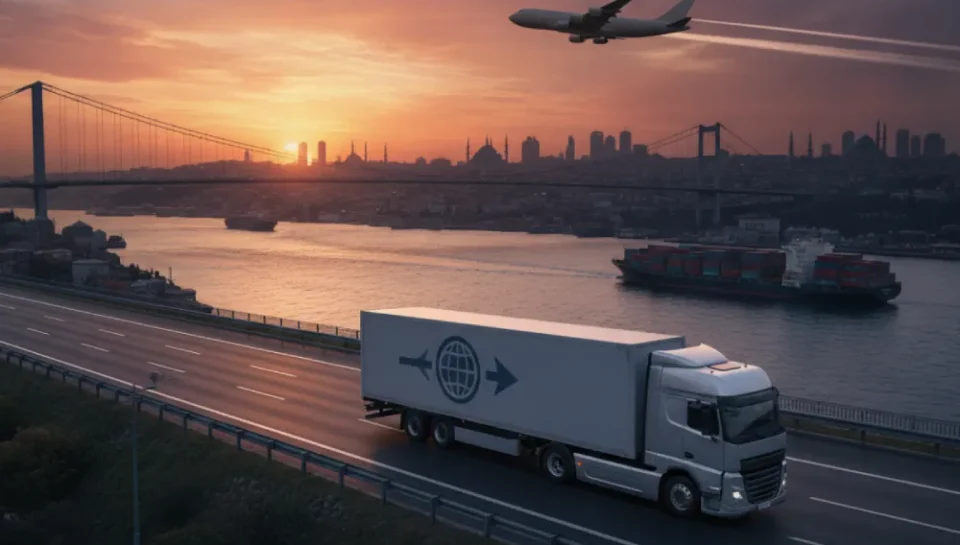
As the strategic bridge connecting Asia and Europe, Turkey stands as one of the most vibrant commercial partners for regional and global trade. For manufacturers, traders, and supply chain managers, tapping into this dynamic market requires a profound understanding of logistics routes, border clearance protocols, and freight management strategies. Managing efficient freight to Turkey is not just about moving cargo from point A to point B; it is an integrated engineering process that demands precision, compliance, and reliability. Choosing a reputable international transport company can mitigate transit risks, optimize transit times, and maximize profitability. In this comprehensive guide, we explore road transit, border checkpoints, documentation, and multimodal strategies tailored by Apadana transport company.
Why the Turkish Market is Strategically Vital for Trade
Turkey’s unique geopolitical position, modern infrastructure, and expanding industrial sectors make it a primary destination for raw materials, petrochemicals, agricultural products, textiles, and building materials. Thriving economic hubs like Istanbul, Izmir, Ankara, and Mersin offer immense commercial opportunities.
Beyond its domestic consumer market, Turkey serves as a premier re-export gateway to the European Union. Products entering Turkey can seamlessly reach Western European markets if supported by optimized logistics channels. To unlock this potential, businesses need seasoned logistics partners who understand road corridors and can seamlessly integrate other modes such as rail freight, maritime logistics, or air freight when speed and high-value cargo demand expedited delivery.
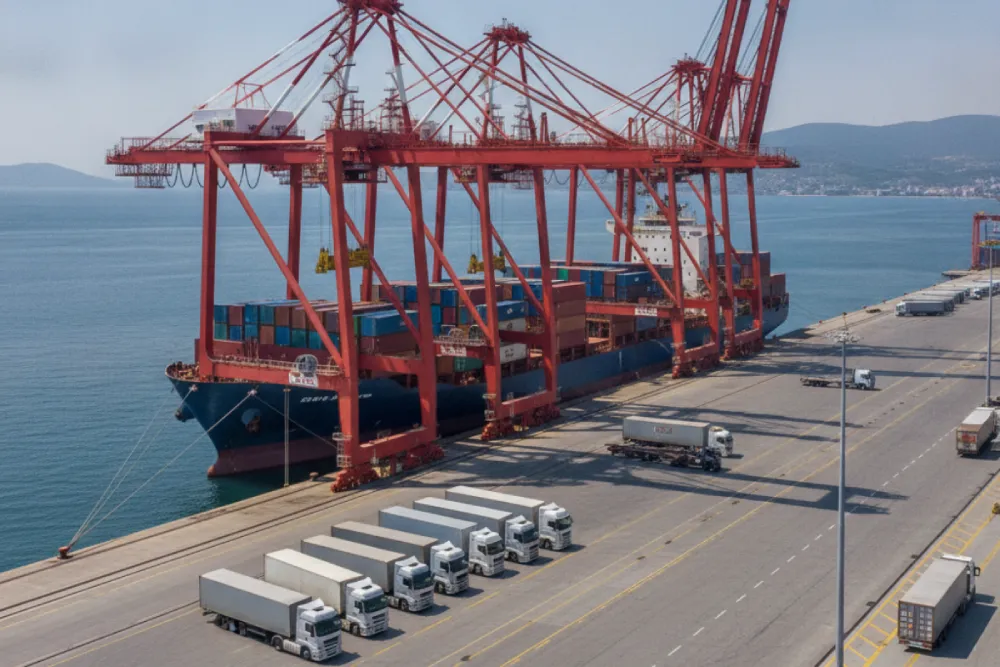
Road Transport: The Core of Logistics and Freight to Turkey
Road transport remains the most preferred mode for shipping cargo across the border. It provides unmatched door-to-door flexibility, transparent scheduling, and reduced handling risks. The bulk of freight to Turkey relies on specialized road fleets, including standard tilt trailers (TIR), flatbeds, refrigerated units for perishable goods, and tankers for liquid commodities.
A few months ago, an industrial equipment manufacturer encountered a tight deadline to deliver 180 tons of machinery to a production facility near Bursa. Any operational delay would have triggered severe downtime penalties. Our operations team at Apadana transport company rerouted the fleet through optimized border lanes, pre-cleared TIR documents, and ensured cargo arrived within 72 hours without inspection bottlenecks. This demonstrates why choosing a professional road freight provider is essential for mitigating risks.
Major Border Crossings and Transit Corridors
Understanding the key border entry points is critical for route planning and schedule accuracy:
- Bazargan / Gürbulak Border: The primary and busiest trade gateway handling the majority of commercial road transit, oversized machinery, and containerized road trailers.
- Sero / Esendere Border: A strategic alternative crossing point that provides efficient access to Eastern and Southern Turkish regions, often utilized to bypass peak congestion at main gates.
- Razi / Kapıköy Border: Widely recognized for rail freight networks and customs clearance, with expanding road transit infrastructure for specialized freight operations.
Key Documentation and Customs Procedures for Turkey
Navigating customs compliance requires absolute accuracy. Documentation discrepancies can lead to costly demurrage fees at border dry ports. Essential documents for organizing freight to Turkey include:
- Commercial Invoice: Specifying the buyer, seller, harmonized HS codes, Incoterms, and currency value.
- Packing List: Detailed breakdown of net and gross weights, package counts, dimensions, and container numbers.
- Certificate of Origin (COO): Authenticated by trade chambers to confirm manufacturing origins.
- International Consignment Note (CMR) & TIR Carnet: Mandatory legal documentation governing international road freight liability and transit security.
- Sanitary, Phytosanitary, or Quality Certificates: Mandatory for food products, chemicals, and sensitive items.
Logistics specialists at Apadana transport company pre-audit all trade documentation prior to departure, guaranteeing compliance with Turkish customs regulations.
Full Truckload (FTL) vs. Less than Truckload (LTL / Groupage)
Selecting the right loading model depends on your cargo volume, budget, and delivery urgency:
Full Truckload (FTL)
When your shipment fills an entire trailer or requires exclusive use for security reasons, FTL is the gold standard. It provides faster transit times, zero intermediate cargo handling, and direct delivery from origin to the consignee’s warehouse.
Less than Truckload (LTL / Groupage)
For smaller shipments that do not require an entire trailer, groupage freight is the most cost-effective option. Shipments from multiple clients are consolidated into a single vehicle, sharing transportation costs. Working with an experienced international transport company like Apadana allows shippers to benefit from scheduled groupage departures to major Turkish distribution hubs with predictable timelines.
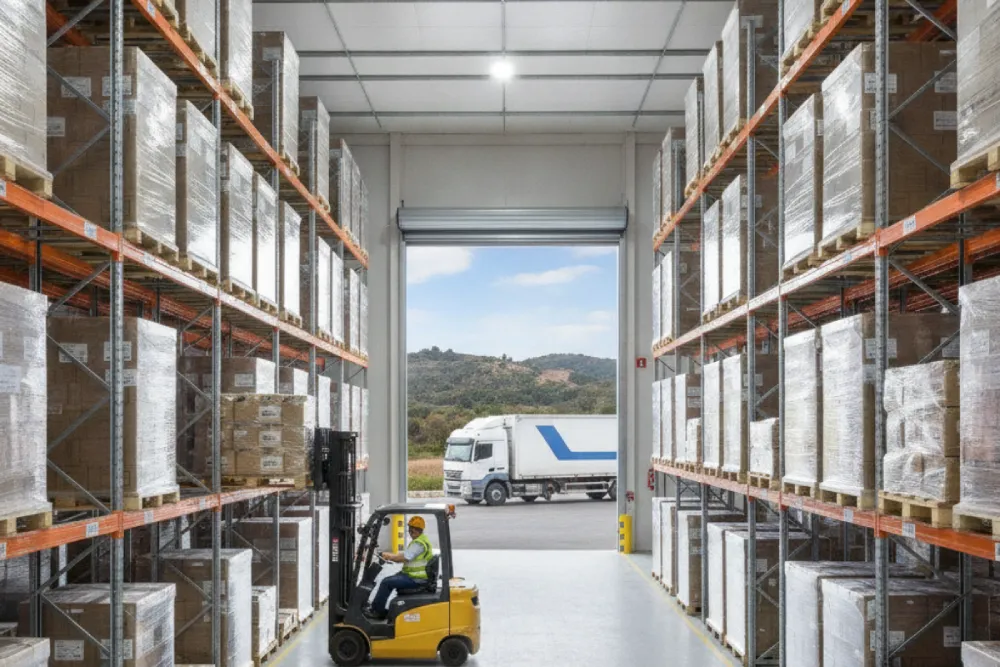
Multimodal Strategies: Road, Rail, and Air Solutions
While overland trucking dominates regional trade routes, combining multimodal transport modes can optimize overall operational efficiency:
- Road Transport as the Backbone: Delivers the ideal balance of speed, cost, and route versatility for commercial goods.
- Rail Freight: A cost-effective, high-capacity alternative for heavy bulk commodities, raw minerals, and industrial equipment, utilizing cross-border rail connections.
- Air Freight: The fastest solution for time-critical spare parts, high-tech components, and valuable samples, utilizing direct cargo links from international airports to Istanbul Airport (IST).
Cost Optimization Strategies for Shipping to Turkey
۱. Standardized Packaging: Utilize standard European pallets (EUR-pallets) to maximize internal trailer cubic capacity and prevent cargo shifting.
۲. Contract Freight Agreements: Peak seasons generate freight rate fluctuations; securing long-term freight service agreements maintains price stability.
۳. Comprehensive Transit Insurance: Always protect high-value shipments with international CMR and all-risk cargo insurance policies to protect against unforeseen events.
Partnering with Apadana transport company gives your business access to modern fleets, expert customs handling, and strategic routing, making your freight to Turkey seamless, fast, and competitive.
Frequently Asked Questions (FAQ)
What is the average road transit time for freight to Turkey?
Standard road transit from central logistics hubs to Istanbul or Ankara typically takes 4 to 7 business days, depending on border clearance speed at Gürbulak or Esendere.
Is groupage (LTL) service available for small commercial shipments?
Yes, Apadana transport company provides regular consolidated groupage services, allowing small-to-medium businesses to ship smaller volumes at cost-effective rates.
What is the difference between direct transit and transshipment?
Direct transit means the originating trailer delivers the cargo straight to the recipient’s warehouse under TIR carnet. Transshipment involves transferring cargo to a local trailer at the border, which may reduce truck costs but slightly increases handling risks.
What documents are mandatory for customs clearance in Turkey?
Mandatory documents include the Commercial Invoice, Packing List, Certificate of Origin, CMR Consignment Note, and relevant standard or health conformity certificates.