




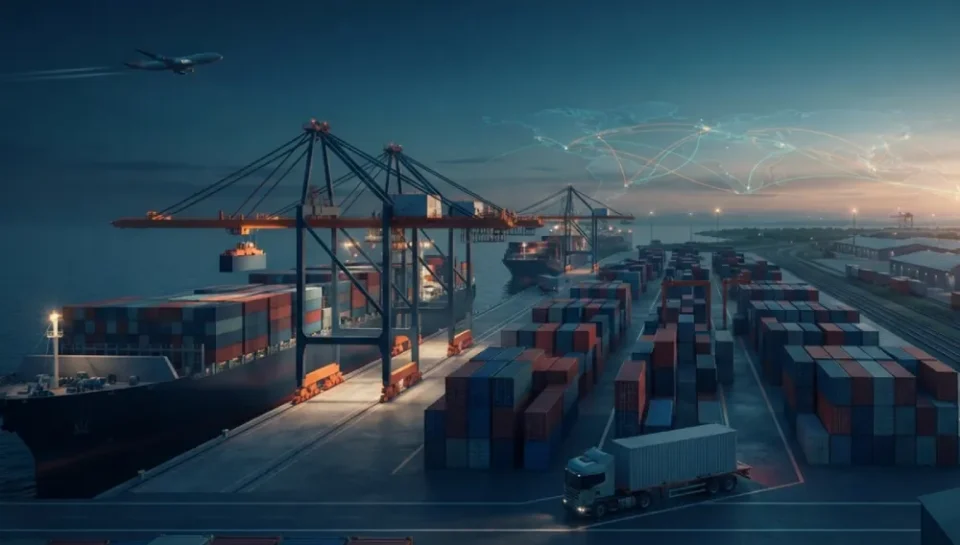
International trade is a world of opportunities, but it is also filled with complex challenges. When goods move from a supplier in one country to a buyer in another, defining the responsibilities, costs, and risks is critical. The bridge that connects buyers and sellers across borders is the set of rules known as Incoterms 2020 logistics.
Whether you are an experienced trader or new to global shipping, understanding these terms is non-negotiable. Using the wrong term in a contract can lead to unexpected costs, customs delays, and legal disputes. At Apadana Transportation Company, we are committed to guiding our clients through the intricacies of international shipping, ensuring that your goods move seamlessly regardless of the chosen mode of transport.
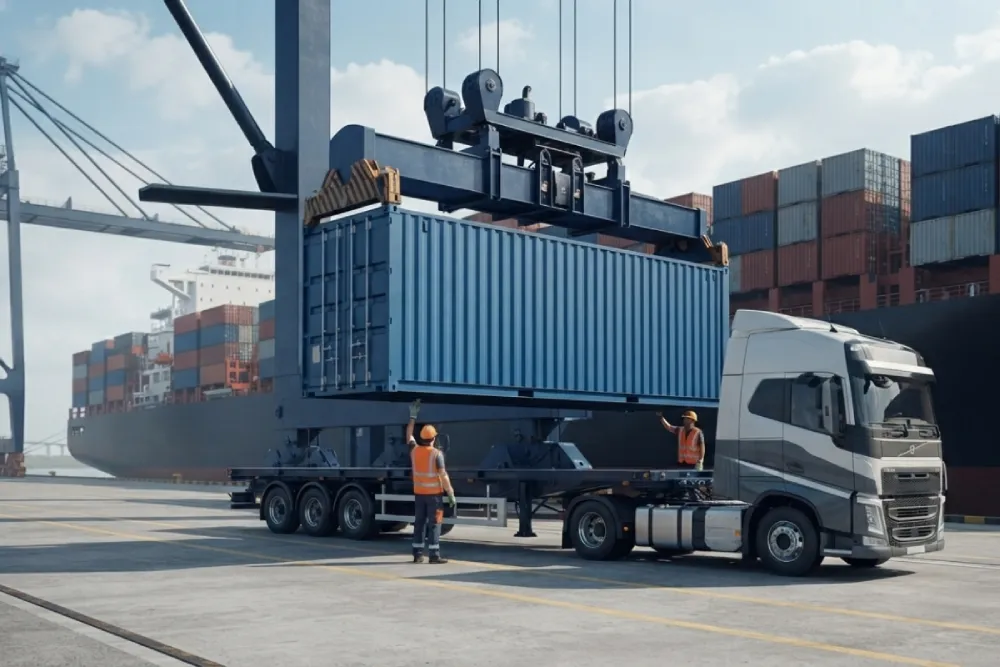
What are Incoterms 2020 and Why Do They Matter?
Incoterms (International Commercial Terms) are a series of pre-defined commercial terms published by the International Chamber of Commerce (ICC). They clearly state who is responsible for logistics costs, risk, and customs clearance at every stage of the shipment.
The 2020 update brought more clarity and simplified the rules to adapt to modern trade practices. Whether you are arranging international transportation via air, sea, rail, or ground transportation, Incoterms 2020 provide a common language that prevents misunderstandings.
A Practical Breakdown of Key Incoterms 2020
Incoterms are organized into groups that define the extent of the seller’s responsibility:
Group E (Departure)
- EXW (Ex Works): The seller places the goods at the disposal of the buyer at the seller’s premises. This is the minimum obligation for the seller, putting the bulk of risk and cost on the buyer.
Group F (Main Carriage Unpaid)
- FCA (Free Carrier): The seller delivers the goods to the carrier nominated by the buyer. It is highly flexible and widely used in modern logistics.
- FOB (Free on Board): Applicable only to sea and inland waterway transport. The seller is responsible until the goods are loaded onto the vessel.
Group C (Main Carriage Paid)
- CIF (Cost, Insurance, and Freight): The seller covers costs and insurance to the destination port, but the risk passes to the buyer once the goods are on board at the origin.
- CPT (Carriage Paid To): Similar to CIF but used for all modes of transport, including air and ground transportation.
Group D (Arrival)
- DAP (Delivered at Place): The seller delivers the goods to a named place, but without unloading them.
- DDP (Delivered Duty Paid): The seller bears the maximum obligation, covering all costs and duties to the final destination.
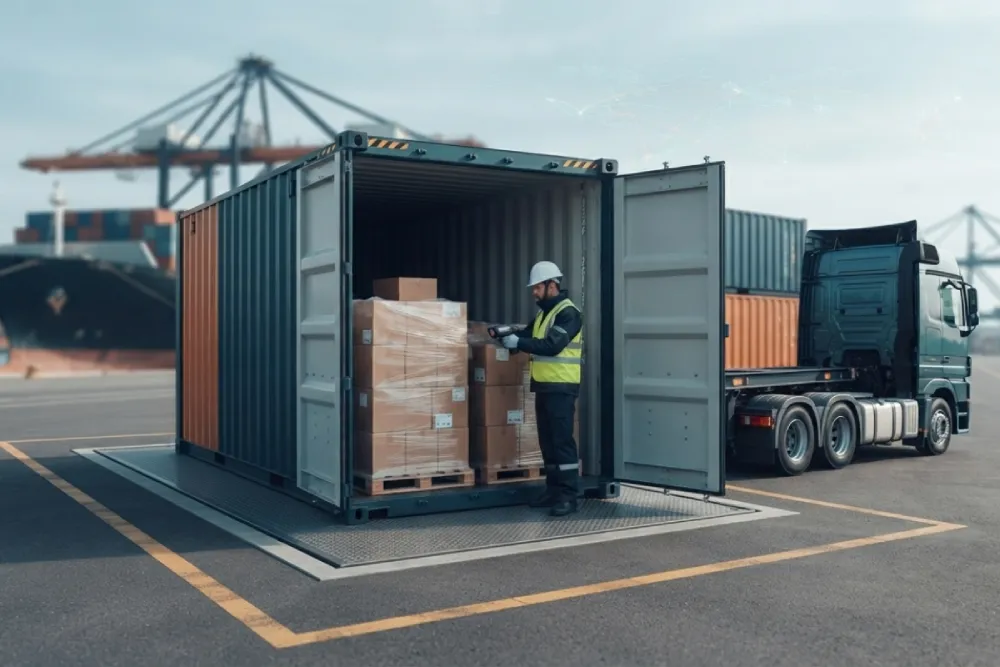
Why You Should Consult Experts for Your Shipping Contracts
Drafting a contract without a clear understanding of Incoterms is a risky business. A small oversight can lead to shipment abandonment or unexpected tax liabilities in the destination country.
At Apadana Transportation Company, we advise our clients to carefully evaluate their cargo and the chosen logistics path before finalizing any agreement. Choosing the right term—such as opting for DDP for a smoother buyer experience or FCA for better control over logistics costs—can significantly impact your bottom line.

Conclusion
Mastering Incoterms 2020 is a vital skill for anyone involved in global trade. These rules are your best defense against shipping disputes and financial losses. However, logistics is rarely a “one-size-fits-all” scenario.
If you are looking for professional guidance to optimize your supply chain and secure your logistics contracts, Apadana Transportation Company is here to help. With our extensive expertise in international transportation, we offer tailored solutions to ensure your goods reach their destination safely, on time, and within budget.