




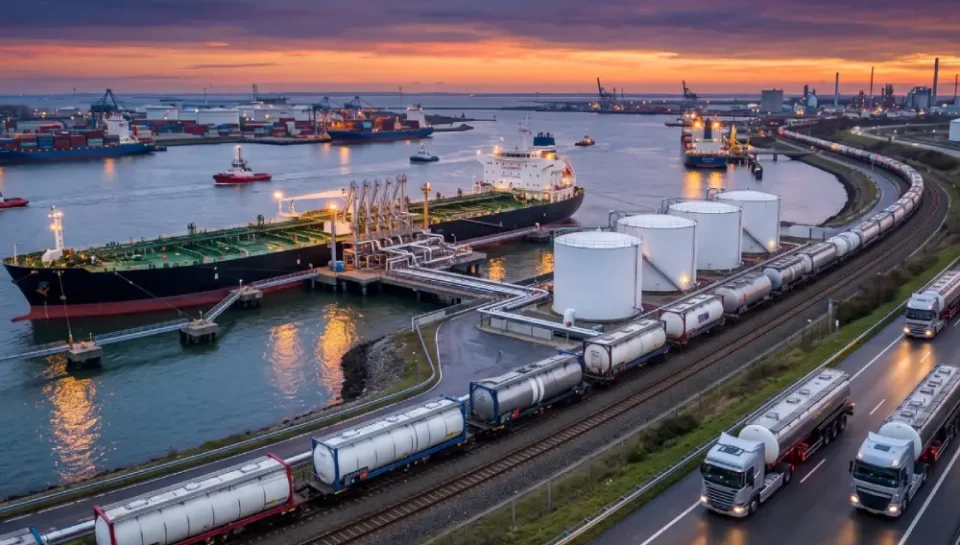
In today’s fast-paced world, trade and export have become one of the most important pillars of the global economy, and in the meantime, moving liquid materials is considered one of the most challenging sectors. When it comes to moving massive volumes of liquids—whether foodstuff, chemicals, or pharmaceuticals—choosing the right method for bulk liquid transportation becomes extremely important. If we do not choose the appropriate method, our cargo may suffer damage, leakage, or loss of quality, which will cost us a heavy financial and reputational price.
But what is the solution? How can we transport these sensitive cargoes with absolute peace of mind? Two of the best and most modern types of equipment available for this task are the ISO tank and the flexi tank, which have created a massive transformation in this industry.
In this article, we want to talk about what modern equipment for bulk liquid transportation is, and examine the advantages and differences of each so you can make the best choice with full knowledge. Therefore, if you are looking to move your liquid cargo in the safest possible way and benefit from professional logistics services, we invite you to stay with us until the end of this comprehensive guide.
What is Meant by Bulk Liquid Transportation?
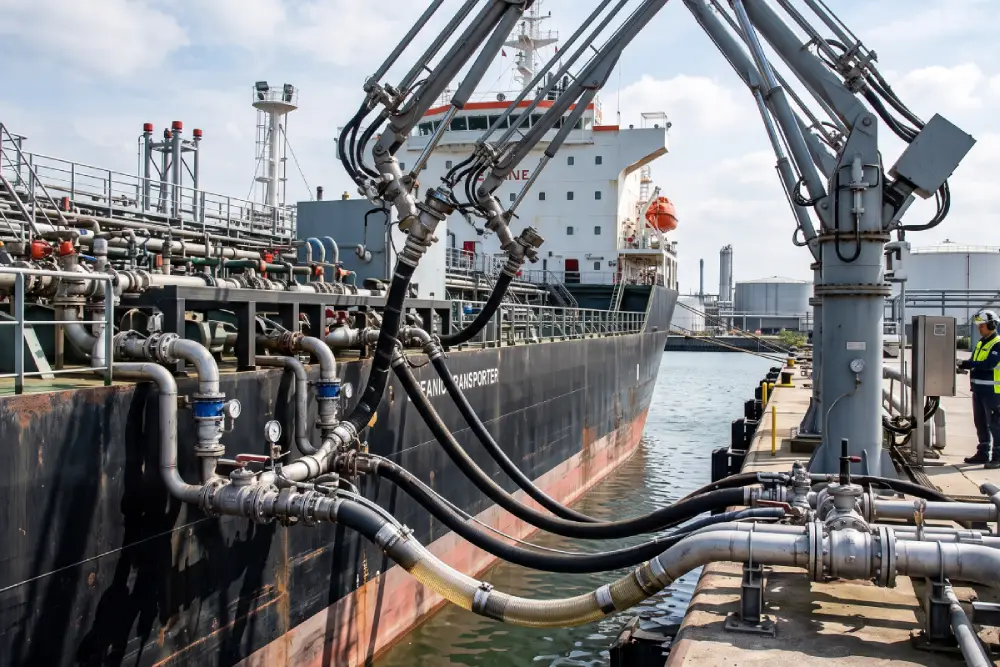
Perhaps before anything else, it is better to answer a fundamental question: what exactly does bulk liquid transportation mean? In a simple definition, when we want to move a very large volume of liquids without small packaging (like individual bottles or barrels) and all at once inside massive reservoirs, this process is called bulk liquid transportation.
These liquids can include edible oils, fruit juices, non-hazardous chemicals, petroleum derivatives, and similar items. In international transportation, the use of this method has received a lot of attention due to the significant reduction of packaging costs and the increased speed of loading and unloading. But for this to be done correctly, we need special tanks which you will get to know below.
What is an ISO Tank and What Are Its Uses?
One of the most standard and widely used types of equipment for bulk liquid transportation are reservoirs called the ISO tank. These cylindrical tanks, which are made of high-grade stainless steel, are placed inside a standard metal frame (similar to standard 20-foot shipping containers).
The ISO tank has the capability to move both hazardous and non-hazardous liquids with the highest level of safety imaginable. The design of these tanks is such that they have extremely high resistance to internal pressure, physical impact, and severe temperature changes.
Advantages of Using an ISO Tank
Exceptional Safety: Due to the strong steel body, the possibility of leakage or damage to the cargo during the transit route is almost zero.
Reusability: After unloading the cargo, these tanks are easily washed, sanitized, and prepared for the next shipments in international transportation, which also helps protect the environment.
Carrying Hazardous Materials: Unlike many other conventional methods, by using an ISO tank, chemical, toxic, and flammable materials can be transported completely safely.
What is a Flexitank and What Are Its Uses?
Now that we are familiar with the ISO tank, let’s explore another attractive and highly requested option called the flexi tank. Flexitanks are essentially very large, durable, and flexible multi-layered bags that are placed inside a standard 20-foot container, turning it into a safe and sterile reservoir for bulk liquid transportation.
When you want to move non-hazardous liquids such as vegetable oils, fruit concentrates, or even drinking water, using a flexi is one of the most economical and best possible methods available in today’s market.
Advantages of Using a Flexitank
Cost Reduction: The cost of buying or renting a flexi is much lower than leasing steel tanks, and you do not need to pay freight charges to return an empty tank (since they are single-use).
High Loading Capacity: By using these innovative bags, you can fit up to 24,000 liters of liquid in a single 20-foot container, which provides much higher efficiency compared to using standard barrels or IBC totes.
Preventing Contamination: Since these reservoirs are single-use, no risk of cross-contamination from previous shipments threatens your cargo, which is a key point in foodstuff logistics services.
What is the Difference Between an ISO Tank and a Flexi? Which Should We Choose?
Up to this point, you have become familiar with both modern methods of bulk liquid transportation. But the main question is, which one is ultimately more suitable for your specific cargo? To answer this question, you must pay close attention to the specific physical and chemical needs of your load.
If your cargo is categorized among hazardous, flammable, or highly toxic chemicals, certainly your only safe and legal choice will be the ISO tank. But if you intend to move food products or non-hazardous liquids and want to minimize your overall international transportation costs, utilizing flexi reservoirs is a very smart, modern, and highly economical option.
Professional Services with Apadana Transport Company
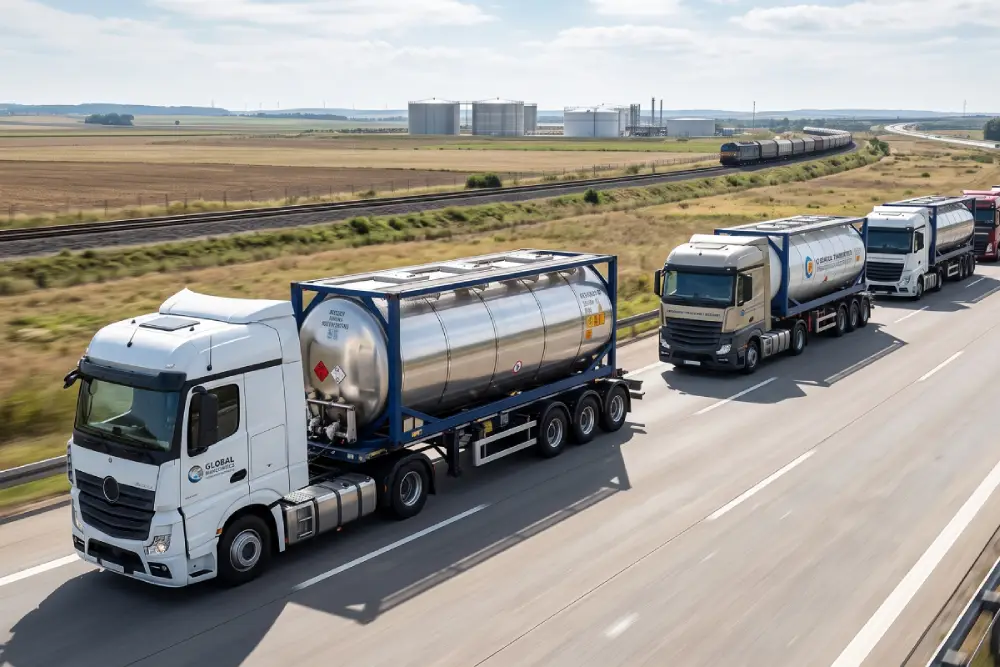
As we reviewed throughout the article, bulk liquid transportation requires deep expertise, precision, and completely standard equipment. A small mistake can cause irreparable damage to both the cargo and the environment. In this regard, Apadana transport company, with years of brilliant and successful experience in the field of land, rail, sea, and air transit, is ready to meet all your needs from A to Z.
By choosing Apadana transport company, you will have absolute peace of mind regarding the supply of various standard tanks, handling complex customs coordination, and providing the most complete logistics services. We are by your side so that your valuable shipments reach their destination in the fastest time and with the highest level of security.
Frequently Asked Questions Regarding Bulk Liquid Transportation
Are flexitanks reusable?
No, flexi tanks are explicitly designed to be single-use to prevent any risk of secondary contamination. This issue is extremely vital, especially when transporting sensitive food items or pharmaceuticals.
What is the best method for moving hazardous chemicals?
For the completely safe movement of chemical and hazardous materials, the best option in bulk liquid transportation is using an ISO tank, because it has very high resistance to pressure fluctuations and reactive chemical properties.
Does Apadana transport company offer multimodal transport services?
Yes, Apadana transport company, utilizing an extensive and reliable network, offers multimodal cargo movement services (land, rail, and sea) so that your cargo reaches its final destination seamlessly, with the best price and optimal speed.
What is the main cost difference between these two methods?
In general, using a flexi tank for non-hazardous liquids costs considerably less than using cylindrical steel tanks, primarily because there is no need to pay return freight for an empty container once the liquid is discharged.
Conclusion
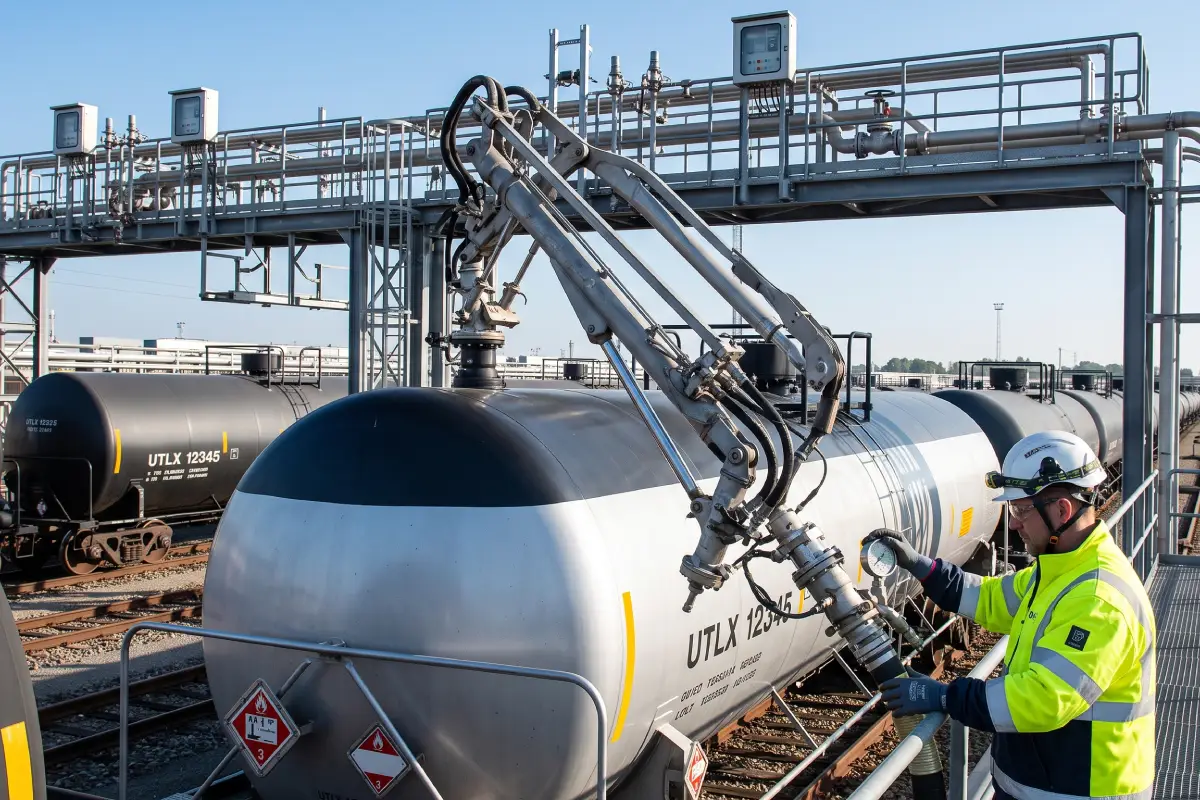
In this comprehensive guide, we talked about bulk liquid transportation and thoroughly reviewed what two important and practical pieces of equipment in this field are and what unique advantages they each possess. Together, we reviewed the core differences of each so you can make confident decisions for your business with a clearer vision of your logistical options.
We hope this article has helped you become familiar with the various modern methods of moving liquids on a large scale. Finally, do not forget that collaborating with highly specialized organizations like Apadana transport company can completely guarantee the quality, speed, and security of your business operations.