




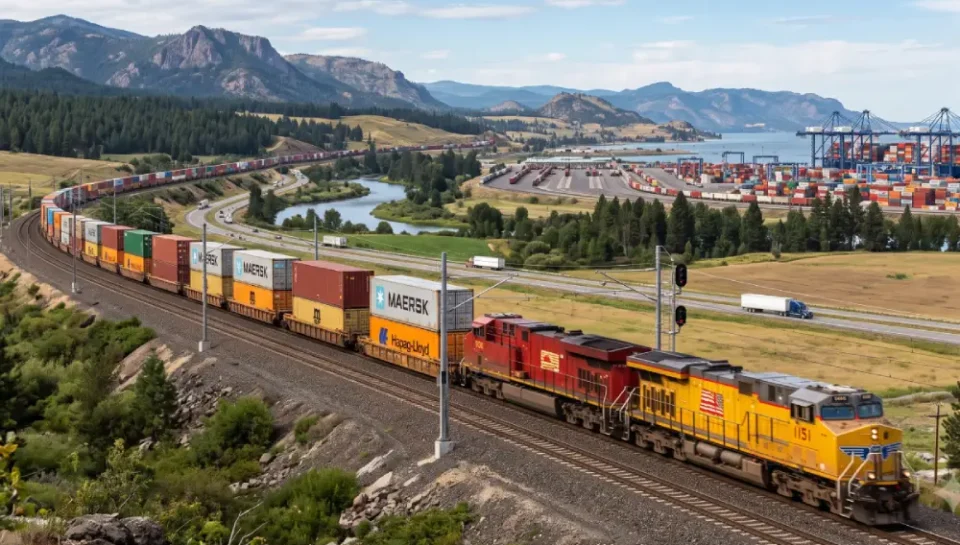
Exporting to Central Asian countries (such as Turkmenistan, Uzbekistan, Kazakhstan, Tajikistan, and Kyrgyzstan) represents a highly lucrative trade frontier due to the region’s massive consumer markets and growing demand for industrial and consumer goods. However, achieving sustainable success in this competitive landscape goes far beyond sales; it demands a flawless, resilient, and highly optimized supply chain.
Due to the vast geographical distances and landlocked nature of the CIS region, rail networks stand out as the most efficient logistical channel. Yet, one of the most critical challenges exporters face is securing the right transport fleet. This comprehensive guide details the technicalities, wagon types, and operational steps of orchestrating international freight train logistics and navigating the complexities of wagon leasing.
For businesses seeking an ironclad logistics partner, Apadana Transport Company leverages decades of multi-modal expertise in international transport to seamlessly manage your wagon procurement, border protocols, and transshipment operations.
The Strategic Importance of Wagon Rental in Central Asia
In international railway transport, relying purely on state-owned railway fleets or expecting to purchase a private fleet is rarely viable for modern cross-border traders. Fleet leasing offers unparalleled agility, allowing you to scale your transport capacity exactly according to your shipment volumes, seasonal demands, and budget-saving indicators without tying up capital in heavy assets.
Furthermore, entering the Central Asian rail corridor introduces a major infrastructure variable: the Russian track gauge (1520 mm), which is wider than Iran’s standard gauge (1435 mm). Operating effectively within this network requires specialized rolling stock that complies with Regional Railway Councils’ criteria. Securing, inspecting, and managing these specific wagons requires specialized expertise that only veteran logistics firms can deploy.
Essential Wagon Types Tailored for Central Asian Trade
Selecting the precise wagon type is crucial to ensuring cargo safety, maximizing volume utilization, and eliminating unnecessary expenditure. Depending on your material datasheet, the following rolling stocks dominate the regional trade routes:
1. Covered Wagons (Boxcars)
Covered wagons provide maximum protection against harsh atmospheric conditions (such as the sub-zero winters of the northern steppes), moisture, and theft. They are the ideal choice for palletized goods, FMCG, foodstuffs, bagged cement, minerals, and high-value chemical products. Central Asian covered wagons boast impressive load capacities, ranging typically from 64 to 68 metric tons, offering excellent volume efficiency.
2. Open-Top Wagons (Gondolas)
For bulk materials, minerals, coal, scrap metal, ore concentrates, and structural steel, open-top wagons are the industry standard. Designed for heavy-duty operations, they allow rapid top-loading via industrial cranes, conveyor systems, or specialized silos, significantly expediting terminal handling times at both origin and destination.
3. Flat Wagons (Platforms)
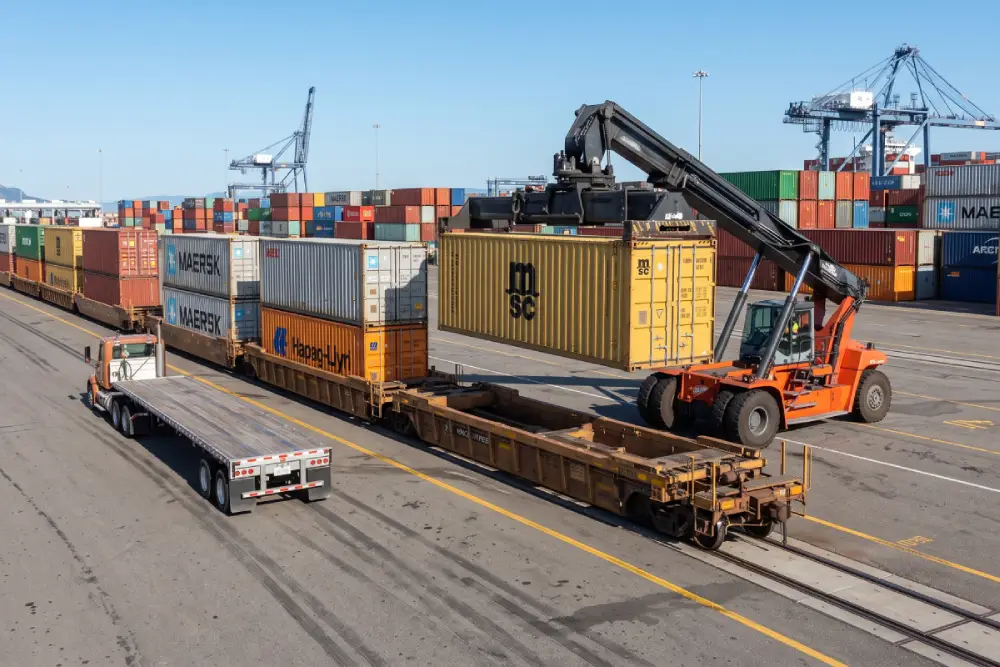
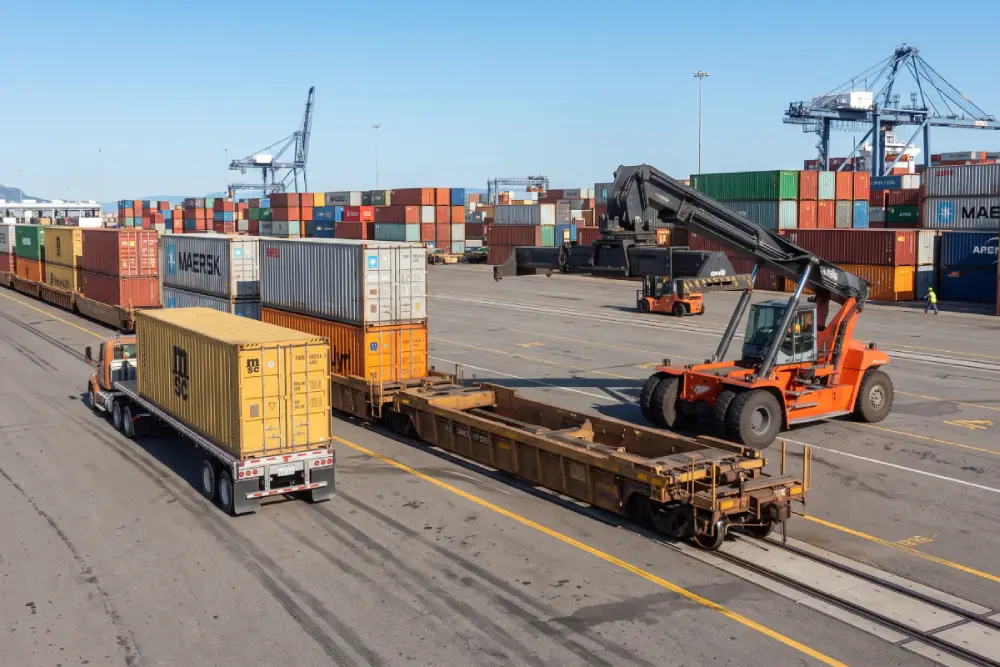
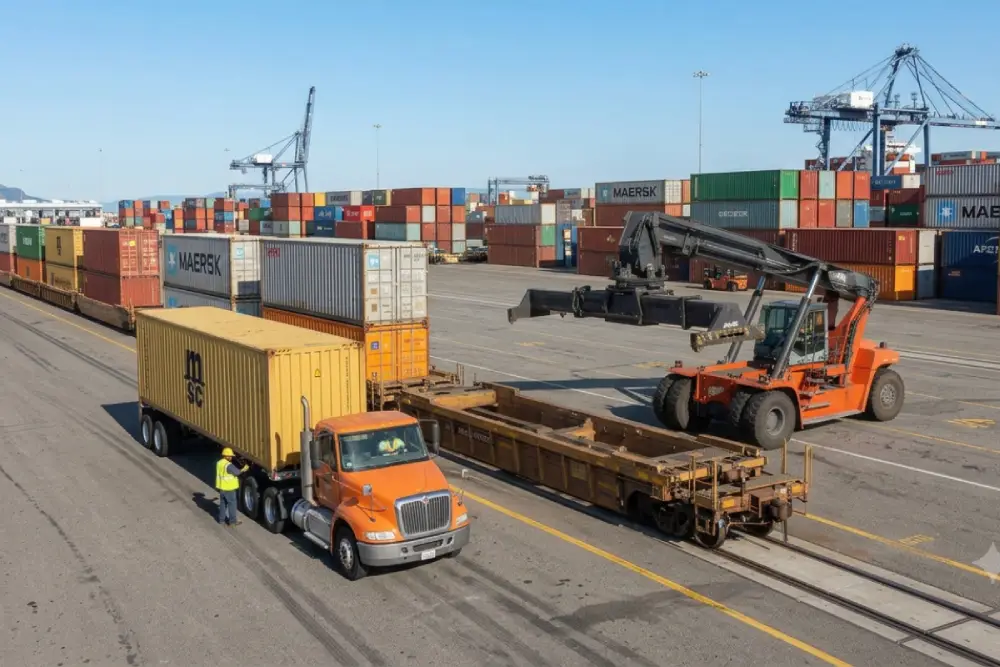
When transporting oversized cargo, industrial machinery, heavy construction equipment, large-diameter pipes, or standard shipping containers, flat wagons are indispensable. These open platforms utilize advanced lashing, securing, and locking mechanisms to keep high-tonnage and out-of-gauge cargoes perfectly stable across thousands of kilometers of rail lines.
4. Tank Wagons
The exportation of liquid petrochemicals, bitumen, base oils, fuel variants, and liquid chemicals requires highly certified tank wagons. Leasing these specialized units involves strict safety compliance frameworks and demands comprehensive international certifications for handling hazardous materials (HAZMAT) across international borders.
Step-by-Step Execution of Freight Train Logistics and Wagon Procurement
Successfully mobilizing a rail shipment into the CIS requires systematic coordination across multiple operational phases:
Phase 1: Comprehensive Cargo Classification
Before initiating a wagon request, you must clarify the cargo’s precise dimensions, gross weight, packing lists, and international Harmonized System (HS) codes. This foundational data directly dictates the layout and payload requirements of the requested rolling stock.
Phase 2: Route Mapping and Station Verification
The exact loading terminal at the origin (e.g., Aprin, Isfahan, or Mashhad terminals) and the final destination station in Central Asia must be fully vetted. Concurrently, the optimal border crossing points—such as Sarakhs or Incheh-Borun—are selected based on seasonal tariffs, congestion metrics, and total transit times.
Phase 3: Contractual Leasing and Freight Estimation
Upon matching the cargo with the ideal wagon type, a formal proforma outline is issued, separating the wagon leasing fees (Wagon Rent) from the underlying rail tariffs (Freight Rate). The binding contract explicitly outlines the allowed loading/unloading windows (Demurrage-free time) and establishes the financial penalties for delays.
Phase 4: Customs Despatch and Rail Bill of Lading (SMGS)
Wagons are positioned at the designated origin terminal for loading. Once loaded, the wagons are securely sealed under official customs supervision, and the international rail consignment note, known as the SMGS bill of lading, is finalized, clearing the cargo for cross-border transit.
Regulatory and Legal Frameworks Governing CIS Rail Corridors
To mitigate operational risks, traders must understand the legal frameworks that govern Eurasian rail networks:
The SMGS Agreement: The Agreement on International Goods Transport by Rail (SMGS) is the unified legal pillar regulating freight operations in the CIS block. It legally defines the explicit liabilities, documentation standards, and claims procedures for shippers, carriers, and consignees.
Demurrage Control: Rail administrations in destination countries impose strict penalties for idle rolling stock. Exporters must verify that the receiving party in the destination country possesses the technical capacity to discharge the cargo within the contracted window to avoid substantial demurrage accumulation.
Gauge Conversion Protocols: Managing the transition between standard and broad gauges at the border terminals necessitates precise scheduling for bogie exchange operations or container transshipment to prevent costly bottlenecks.
Elevating Your Supply Chain with Apadana Transport Company
Securing reliable wagon allocations on international rail networks can be highly volatile due to seasonal equipment shortages and shifting geopolitical factors. Apadana Transport Company, as an established leader in international transport, solves this challenge through direct integration with private and state-owned rail networks across Iran and the CIS.
At Apadana Transport Company, we meticulously evaluate your cargo profiles to deliver cost-effective and secure solutions for your freight train logistics and wagon leasing requirements. From sourcing specialized rolling stock to managing customs declarations, cross-border payments, bogie changeovers, and providing real-time GPS tracking until final destination delivery, our expert teams ensure a seamless, high-performance trading journey.
Conclusion
Wagon procurement and operational planning are strategic factors in building a profitable export operation to Central Asia. Disregarding the nuances of fleet selection or miscalculating contract terms can easily result in cargo damage, extensive border delays, and devastating demurrage fees. To safeguard your investments, partnering with an experienced entity proficient in railway transport and regional regulations is essential. By placing your trust in the capabilities of Apadana Transport Company, you transform intricate rail logistics into a distinct competitive advantage for your global business.
Frequently Asked Questions (FAQ)
What is wagon demurrage, and how is it calculated?
Demurrage refers to the financial penalty levied by a wagon owner or rail administration when a wagon remains idle beyond the allowed free-time allocated for loading or unloading. It is calculated on a daily basis and carries heavy rates across the CIS network.
Can specialized wagons be leased for temperature-sensitive cargoes?
Yes, for perishable goods such as fresh agricultural produce, dairy, and pharmaceuticals, specialized refrigerated wagon sections or heavily insulated thermos wagons are available to maintain a strict, stable internal temperature throughout long-distance transits.
What causes the infrastructure difference between Iranian and CIS rail networks?
The fundamental difference lies in the track gauge width and the maximum volumetric loading gauge. Central Asian lines utilize the wider 1520 mm broad gauge, meaning their wagons are larger and support much higher payloads compared to standard 1435 mm systems, making them highly economical for massive cargo volumes.
What is the purpose of the SMGS document in international rail freight?
The SMGS is the standardized international rail consignment note that acts as the official bill of lading across Eurasian countries. It serves as conclusive evidence of the contract of carriage, a document of title, and a legally binding record of the cargo’s condition upon receipt.