




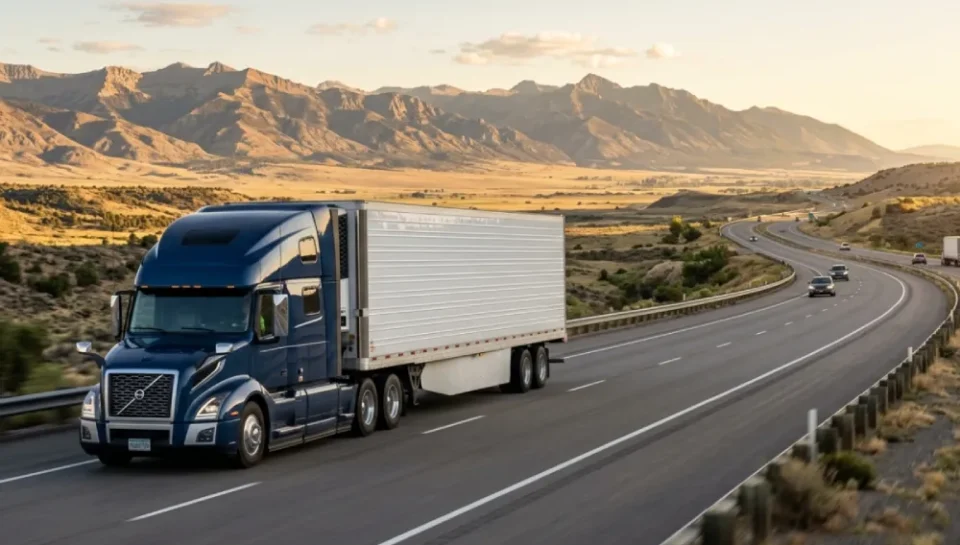
In the fast-paced world of global trade, cost management is one of the most critical secrets to business survival and success. When it comes to the export and import of goods, a significant portion of your final product price depends on logistics and handling costs. For merchants who choose overland routes to transfer their cargo, precisely calculating and managing the costs associated with road transport logistics becomes a fundamental concern.
Have you ever wondered what factors cause price fluctuations in international transport? Why might the cost of shipping identical cargo to the same destination vary at different times or between different service providers?
In this article, we will take an expert and detailed look at the cost structures and the elements defining fees in road transport logistics. If you want to manage your logistics budget with clear foresight and understand how reputable organizations like Apadana Freight Transport Company can help optimize these costs, join us until the end of this guide.
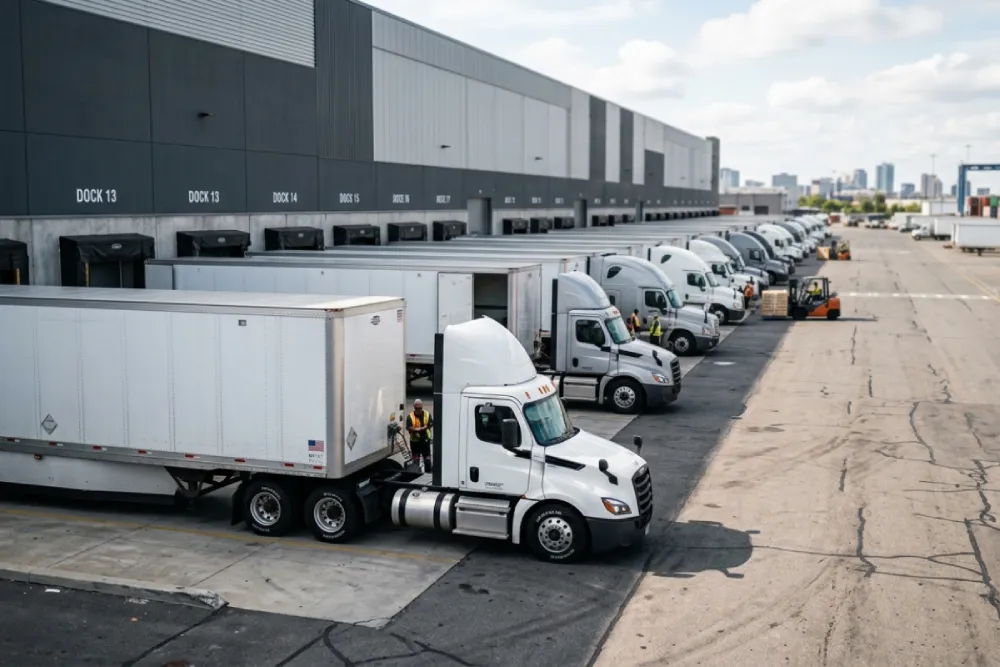
What Factors Influence Costs in Road Transport Logistics?
The amount you pay to move your goods from one country to another is not a static or random number; it is the culmination of several overlapping factors. The most vital of these include:
1. Distance and Chosen Route
The most obvious pricing factor in land transport is the distance between the origin and destination. Longer distances mean greater vehicle depreciation, higher fuel consumption, and extended transit times, which naturally increase the overall costs of road transport logistics. Furthermore, route security, road quality, and geographical or weather conditions can also shift the price scale.
2. Cargo Type and Volume (FTL vs. LTL)
Another key element is the nature of your freight. Does your cargo occupy the entire capacity of a trailer (Full Truckload) or only a portion of it (Less than Truckload)? Generally, LTL is more economical for smaller shipments. However, if your cargo is highly sensitive or voluminous, booking an entire truck—despite the higher initial cost—is much more logical and secure.
3. Trailer Type and Required Equipment
Not all trailers are built the same! If your cargo consists of perishable food or pharmaceuticals, you will need refrigerated trailers (reefers), which incur higher maintenance and fuel costs. Naturally, their transit fees are higher than standard tilt or flatbed trailers. Likewise, oversized and heavy shipments require specialized low-bed trailers and specific permits, directly impacting the price.
4. Currency Fluctuations and Fuel Prices
In international transport, many expenses such as road tolls, customs duties, and even parts of the freight fare are calculated based on international currencies (like USD or EUR). Therefore, exchange rate volatility directly affects your bottom line. Additionally, fuel prices vary across the countries en route, and any spike in global fuel prices will drive up fleet operating costs.
5. Transit Tolls and Border Fees
Crossing any border requires paying customs clearance fees, regional transit tolls, demurrage (detention charges) in case of border congestion, and costs related to issuing international documents.
How to Optimize Land Transport Costs?
Now that we are familiar with the factors affecting prices, the real question is: How can we reduce these costs without compromising the quality and safety of the cargo?
The primary solution is choosing a smart and experienced logistics partner. Apadana Freight Transport Company, with years of stellar experience in land transport, possesses a vast network of modern fleets and strong border connections. By meticulously planning routes, swiftly handling customs formalities to prevent detention costs, and offering expert consultation on choosing the best trailer and transport method, this company helps you manage your road transport logistics in the most economically viable way possible.
Conclusion
Cost management in international trade is an art, and understanding the nuances of road transport logistics is the brush for this art. By recognizing factors like distance, cargo type, equipment, and border fees, you can budget your imports and exports much more accurately. Remember, partnering with industry experts like Apadana Freight Transport Company is the key to achieving a profitable, secure, and cost-effective business within the realm of international transport.
Frequently Asked Questions
1. Are road transport logistics costs stable throughout the year? No; costs may rise during peak seasons or harsh winter conditions due to route hazards and fleet shortages.
2. Is it possible to share trailer space for smaller shipments? Yes. In Groupage or Less than Truckload (LTL) methods in land transport, you can share trailer space with other shippers and only pay for the volume your cargo occupies.
3. What is the role of freight forwarders in reducing transit costs? Professional organizations like Apadana Freight Transport Company eliminate hidden and excess costs for cargo owners by selecting optimal routes, consolidating shipments, and accelerating border clearance.