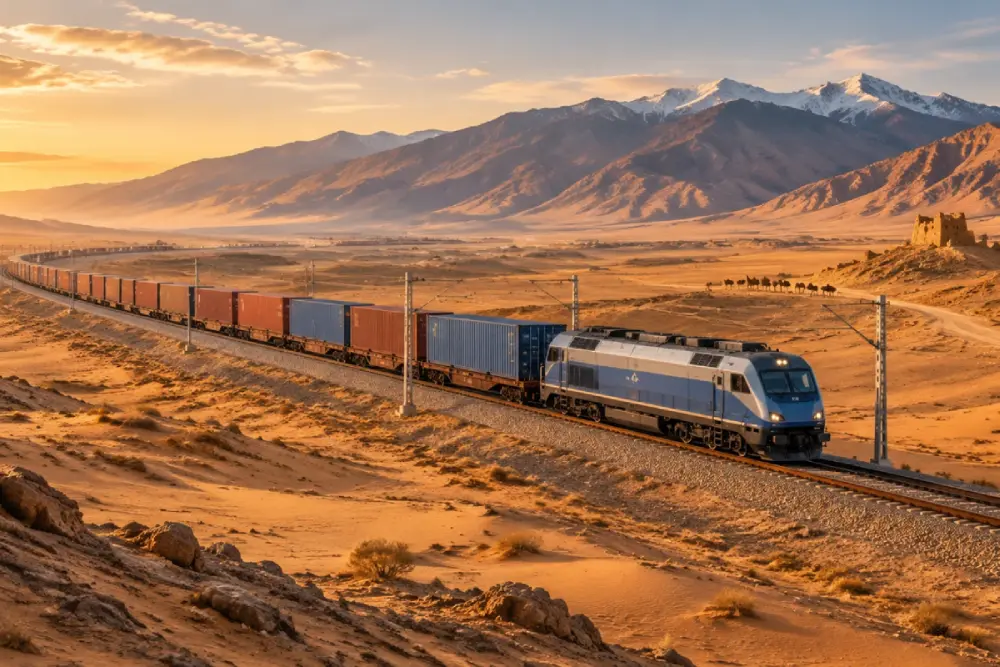
Imagine a scenario where cargo from the industrial hubs of East Asia reaches the heart of Europe in less than two weeks, bypassing the congested maritime bottlenecks. For decades, global trade relied heavily on the slow rhythms of the sea or the exorbitant costs of air freight. However, the revival of the Silk Road railway, the backbone of the Belt and Road Initiative (BRI), has fundamentally altered the logistics landscape across Eurasia.
This modern iron artery is more than just a track; it is a strategic shift that redefines how continents interact. For businesses navigating these complex routes, partnering with an experienced international logistics company is no longer an option—it is a necessity for ensuring efficiency and compliance across multiple borders.
The Strategic Shift: Why Rail Matters
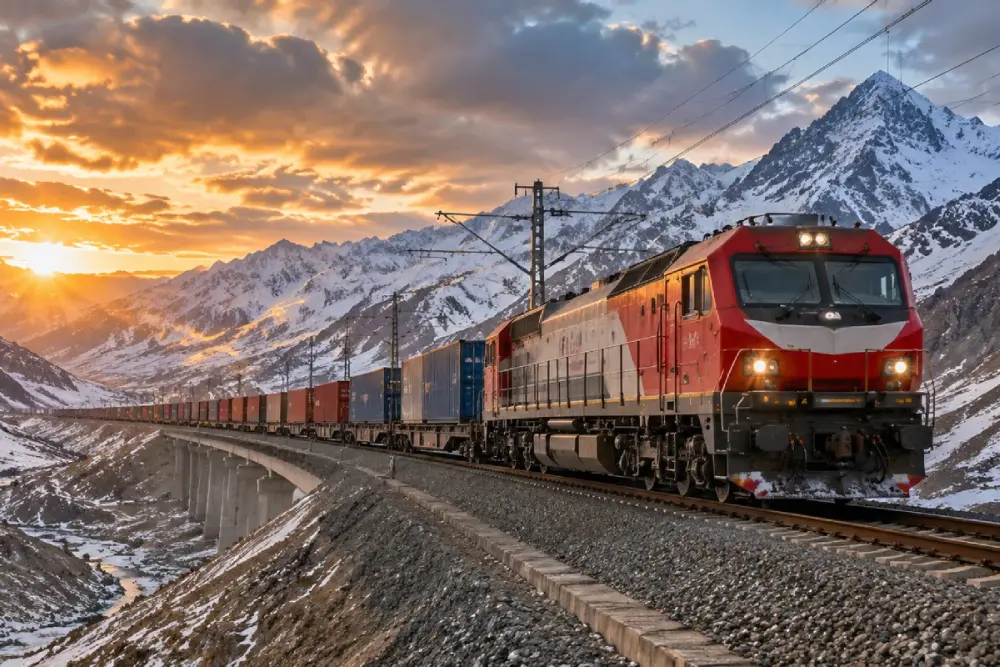
In the fast-paced world of modern commerce, “speed to market” is the ultimate competitive advantage. While sea freight offers massive scale, it remains vulnerable to geopolitical tensions in the Red Sea or weather-related delays at major capes. On the other end of the spectrum, air freight, though fast, carries a heavy price tag and a significant environmental burden.
The Silk Road railway occupies the “golden middle.” It offers a transit time that is twice as fast as the sea and a cost structure that is significantly lower than air transport. For high-value industries—such as automotive, fashion, and high-tech electronics—the reliability of rail has become the preferred choice for maintaining lean supply chains.
Advantages of Rail Freight in the Eurasian Corridor
The expansion of rail freight networks across the continent brings several transformative benefits:
- Reliability and Consistency: Unlike maritime routes that can be disrupted by port strikes or canal blockages, rail schedules are highly predictable, allowing for precise inventory management.
- Sustainability: As European markets tighten environmental regulations, the lower carbon footprint of rail compared to road transport and aviation makes it a crucial tool for corporate social responsibility (CSR).
- Connectivity for Landlocked Markets: The railway has breathed new life into the economies of Central Asia, providing them with a direct gateway to global markets that was previously inaccessible.
At Apadana transport, we have integrated these rail advantages into our core service offerings, providing our clients with a seamless bridge between Eastern production centers and Western consumption markets.
Navigating Technical and Geopolitical Hurdles
Despite its growth, the Silk Road railway faces unique challenges. The most prominent is the “gauge break.” Standard tracks in China and Europe differ from the broader gauges used in CIS countries. This requires sophisticated transshipment hubs at borders where containers are efficiently moved from one train to another.
Managing these transitions requires deep local knowledge. A professional international logistics company ensures that documentation, customs clearance, and transshipment are synchronized to prevent costly bottlenecks.
Choosing Between Rail and Road Transport
While rail is the champion of long-haul efficiency, road transport remains essential for the “last mile.” Many businesses find that a multimodal approach is the most effective. Trucking offers the flexibility to reach remote warehouses, while rail handles the thousands of miles in between with superior safety and lower costs.
Key considerations for choosing your mode:
- Volume: Rail excels at high-volume, bulk shipments.
- Distance: For routes exceeding 2,500 km, rail is typically more cost-effective.
- Flexibility: Road transport allows for real-time route adjustments.
Apadana transport specializes in harmonizing these modes, ensuring that whether your cargo is on a train or a truck, it is monitored and protected throughout its journey.
Avoiding Common Pitfalls in International Rail Trade
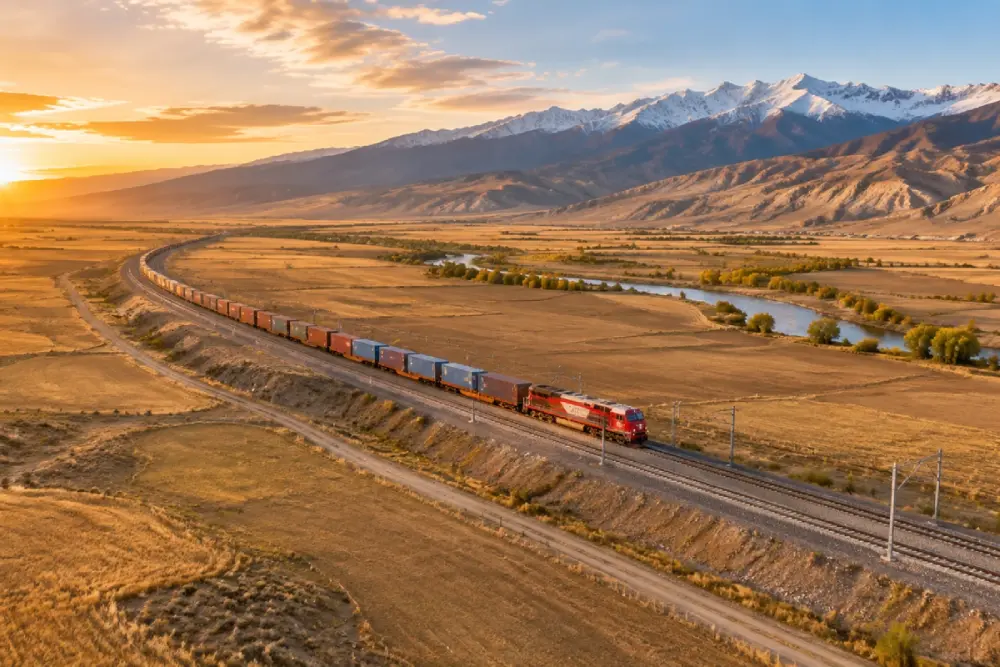
Many exporters fail to account for the specific packaging requirements of rail transport. The longitudinal forces (shunting) in rail yards are different from the pitch and roll of a ship. Furthermore, navigating the diverse customs regulations of transit countries requires meticulous attention to detail.
Expert consultants at Apadana transport work closely with clients to optimize their packaging and ensure that all digital transit documents are in order, mitigating the risk of delays or fines at international checkpoints.
The Future of the New Silk Road
The future of Eurasian trade is digital. The integration of AI-driven tracking and automated customs processing is making the Silk Road railway more transparent than ever. As infrastructure continues to expand through the Middle Corridor and Southern routes, the reliance on this iron bridge will only grow, cementing a new era of economic integration between East and West.
FAQ
Is rail transport suitable for temperature-sensitive goods?
Yes, modern “reefer” (refrigerated) containers are widely used on the Silk Road routes, allowing for the safe transport of pharmaceuticals and food products across varying climates.
How does the cost of rail compare to sea freight?
Generally, rail transport is about 2.5 to 3 times more expensive than sea freight, but it cuts delivery time by more than 50%, which can significantly reduce capital tie-up costs.
Which countries are the main hubs on the Silk Road railway?
Key hubs include Xi’an and Chengdu in China, Khorgos on the Kazakh border, and major European terminals in Poland (Małaszewicze) and Germany (Duisburg).