Selecting the optimal method for transporting commercial cargo is a critical management decision directly impacting profit margins, cash flow, and project timelines. When it comes to moving large volumes of goods across borders, ocean shipping remains the most economical and sustainable option for global merchants. However, navigating these waters requires expertise. Partnering with a skilled sea freight forwarder is often the deciding factor between a seamless supply chain and costly delays.
A major challenge importers and exporters face is choosing between the two primary container shipping methods: Full Container Load (FCL) and Less than Container Load (LCL). This comprehensive guide moves beyond simple definitions to explore the operational realities, hidden costs, and strategic advantages of each method, helping you optimize your global supply chain.
What is Sea Freight and Why Does It Anchor Global Trade?
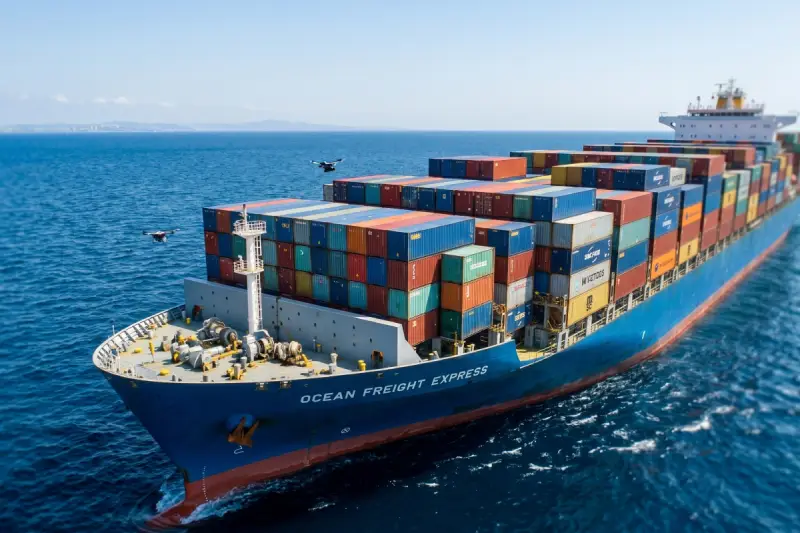
Ocean freight is the process of moving massive quantities of goods across international waters using giant cargo vessels. Handling over 80% of global trade volume, this method is the undisputed backbone of international logistics. Cargo ships offer unmatched capacity and efficiency, covering immense distances at a fraction of the cost of air freight.
Whether you are exporting raw materials to developing markets like Oman and Malaysia, or importing advanced industrial machinery from Germany, the ocean route provides the necessary flexibility for heavy and oversized loads. A competent sea freight forwarder ensures these complex logistical operations run smoothly, handling everything from port dynamics and carrier negotiations to regulatory compliance.
Anatomy of Full Container Load (FCL): Security, Speed, and Exclusive Control
FCL stands for Full Container Load. In this shipping model, the cargo owner or their representative rents an entire container (typically standard 20ft, 40ft, or 40ft High Cube) exclusively from the shipping line. The critical detail here is that even if your cargo does not fill the entire volume, the space is entirely yours and will not be shared with other shippers.
The container is loaded and sealed directly at the supplier’s warehouse or factory. This customs seal remains unbroken throughout the journey until the container reaches the final destination and your customs broker is ready for the inspection and unloading phase.
Strategic Advantages of FCL
Unmatched Cargo Security: Because the container remains closed and locked during transit, the risk of physical damage, tampering, or theft drops to near zero.
Faster Transit Times: FCL containers bypass the time-consuming consolidation and deconsolidation processes at intermediate ports, significantly reducing the overall transit time.
Temperature Control: For perishable goods, pharmaceuticals, or sensitive chemicals, renting a dedicated refrigerated container (Reefer) is highly efficient and exclusively available through FCL.
Economies of Scale: When cargo volume exceeds 15 to 20 cubic meters (CBM), paying the flat rate for a dedicated container often becomes cheaper than the volumetric pricing of LCL.
Limitations of the Dedicated Container Approach
Higher Capital Tie-up: You are required to pay for the maximum capacity of the container, regardless of how much empty space remains inside.
Stringent Logistics Requirements: Loading and unloading exclusive containers require adequate warehouse space and specialized equipment, such as loading docks, ramps, and heavy-duty forklifts.
Exploring Less than Container Load (LCL): Flexibility and Capital Efficiency
LCL, or Less than Container Load, is often referred to as groupage or shared shipping. It is the most logical supply chain solution when your cargo volume simply does not justify the cost of an entire container.
In this scenario, your shipment is gathered at a Container Freight Station (CFS) alongside cargo from multiple other merchants. Your sea freight forwarder categorizes these shipments by destination and packs them into a single, shared container. The primary financial advantage here is that you only pay for the exact physical space your cargo occupies, measured in cubic meters (CBM).
Why Mid-sized Businesses Leverage LCL
Smart Cash Flow Management: There is no need to place massive, unnecessary orders just to fill an entire container. Businesses can import goods in smaller volumes but with higher frequency, keeping capital liquid.
Reduced Warehousing Costs: Gradual inventory replenishment prevents sudden warehouse overflow and minimizes long-term storage fees.
Diverse Global Sourcing: LCL allows procurement teams to simultaneously bring in smaller shipments from various suppliers across different countries without waiting to fill a container.
Challenges of Shared Ocean Shipping
Extended Transit Times: The mandatory consolidation at the origin port and deconsolidation at the destination port typically add several days to the overall shipping schedule.
Increased Handling Risks: Sharing space with varying cargo types and undergoing extra physical handling at CFS warehouses slightly elevates the risk of damage. Robust, export-grade packaging is absolutely critical for LCL shipments.
LCL vs FCL: A Practical Operational Comparison
To help you make rapid, project-specific decisions, we have broken down the operational differences between these two methods in the following evaluation matrix:
| Evaluation Metric | FCL (Full Container Load) | LCL (Less than Container Load) |
| Pricing Structure | Flat rate for the entire container | Variable cost based on volume (CBM) |
| Transit Speed | Highly optimized (No consolidation delays) | Slower (Requires processing at CFS warehouses) |
| Security & Protection | Maximum (Sealed at origin, opened at destination) | Moderate (Risk of minor damage due to shared space) |
| Ideal Cargo Volume | Shipments exceeding 15 to 20 CBM | Commercial shipments under 15 CBM |
| Customs Clearance | Generally seamless and straightforward | Potential delays if other cargo in the container is flagged |
The Step-by-Step Ocean Freight Logistics Process
A successful international trade operation requires a clear understanding of the ocean freight roadmap. Whether you utilize FCL or LCL, the process managed by your sea freight forwarder involves these precise steps:
Step 1: Logistics Planning and Booking: Your forwarding agent analyzes the cargo specifics (weight, dimensions, packaging) and secures space on an optimal vessel with a reliable carrier.
Step 2: Transfer to Origin Customs Warehouse: For FCL, the empty container is delivered to the supplier for loading. For LCL, the goods are trucked to the designated CFS for consolidation.
Step 3: Export Customs Clearance: Local authorities verify the goods against commercial documents and issue the necessary export permits.
Step 4: Vessel Loading and Ocean Transit: Gantry cranes load the secured containers onto the cargo ship, and the ocean journey commences.
Step 5: Destination Arrival and Clearance: Upon berthing, containers are discharged to customs yards. Here, your broker finalizes the import clearance, pays applicable duties, and arranges the final delivery.
The Impact of Incoterms on Freight Cost Allocation
International Commercial Terms (Incoterms) dictate the exact point where risk and freight costs transfer from the seller to the buyer. Understanding these terms is vital for controlling your supply chain budget.
FOB (Free on Board): The seller is responsible for delivering the goods and loading them onto the vessel at the origin port. From that moment, the buyer takes over the ocean freight costs and risks.
CIF (Cost, Insurance, and Freight): The seller covers the ocean transport and basic insurance to the destination port. While convenient for the buyer, it often results in a higher landed cost for the goods.
EXW (Ex Works): The buyer picks up the cargo directly from the seller’s factory and handles 100% of the logistics, from domestic transit and export clearance to the final ocean freight.
Essential Documentation for Seamless Customs Clearance
The clearance and transit process demands absolute precision in legal documentation. A minor discrepancy can lead to goods being held at customs, resulting in heavy demurrage and storage fees. This is particularly crucial in trade lanes with strict regulatory and biosecurity laws, such as Canada and Australia.
Your sea freight forwarder will help you manage the following critical documents:
Bill of Lading (B/L): The single most important legal document in maritime trade. The Bill of Lading acts as a receipt for the cargo, the binding contract of carriage, and the ultimate title of ownership. Clearance is impossible without it.
Commercial Invoice: Issued by the seller, detailing the true value of the goods, payment terms, agreed Incoterms, and comprehensive buyer/seller data. Customs duties are calculated based on this document.
Packing List: A transparent, itemized inventory of every pallet or carton, highlighting piece counts, net weight, gross weight, dimensions, and shipping marks.
Certificate of Origin: An official endorsement from a chamber of commerce verifying exactly where the goods were manufactured or processed.
Material Safety Data Sheet (MSDS): Mandatory for securing vessel loading approval if your shipment involves chemicals, batteries, or other classified dangerous goods.
Why Choose Apadana Freight as Your Sea Freight Forwarder?
Optimizing your supply chain, minimizing exact costs, selecting reliable liner networks, and preventing customs delays require deep industry knowledge and global reach. Apadana Freight stands out as a highly experienced sea freight forwarder, offering dependable ocean, rail, and road transport solutions.
We understand that in the B2B landscape, time is capital. Whether routing complex transshipments through major commercial hubs like Dubai or handling direct FCL and LCL exports globally, our expert team manages the entire lifecycle of your cargo. We handle international documentation, secure competitive container rates, and navigate final customs clearance with complete transparency.
Protect your margins and ensure reliable deliveries. Contact Apadana Freight today for a specialized consultation, customized routing options, and immediate FCL or LCL freight quotes.
Frequently Asked Questions (FAQ)
How are sea freight shipping costs calculated?
Costs depend on a combination of factors: cargo volume and weight (CBM), the chosen shipping method (LCL vs FCL), Terminal Handling Charges (THC), port fees, and the specific nautical distance between the origin and destination ports.
Is it possible to track shipments during long ocean transits?
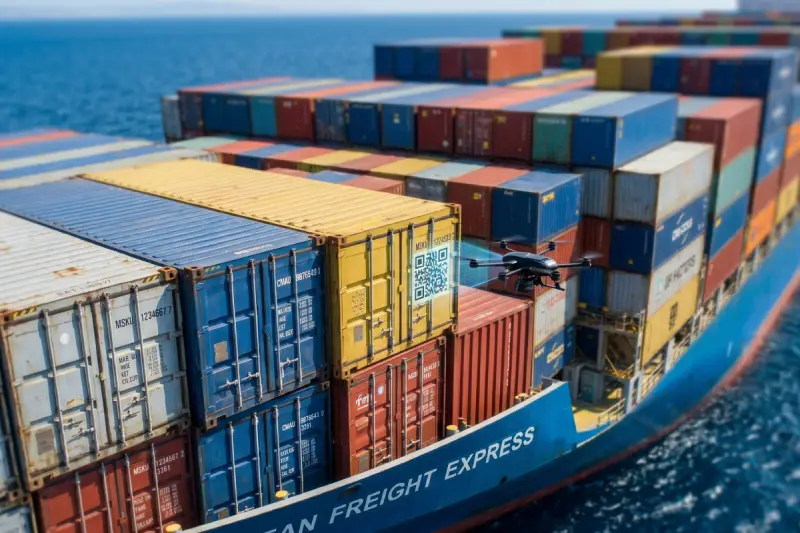
Yes, by entering your specific container number or the tracking number found on your Bill of Lading into the carrier’s digital tracking system, you can monitor the vessel’s live location and cargo status until it reaches the port.
Which method is more cost-effective for industrial shipments under 10 cubic meters?
LCL is undoubtedly the most economical and logical choice for shipments under 15 CBM. Instead of paying for unused space in a dedicated FCL, you only pay for the exact dimensions your cargo occupies within a shared container.